TL;DR

Get baking supplies delivered free with Prime
- Fast, free delivery on millions of items
- Prime Video, Amazon Music and more included
- Member-only deals all year
A pastry brush offers precise control for applying egg washes, butter, glazes, and more. It outperforms substitutes in evenness, reach, and delicate handling—making it a must-have in any baker’s drawer.
Think a pastry brush is just a fancy tool for brushing egg wash? Think again. This simple, inexpensive device packs a punch in the kitchen, offering control, finesse, and consistency that no spoon or fingertip can match.
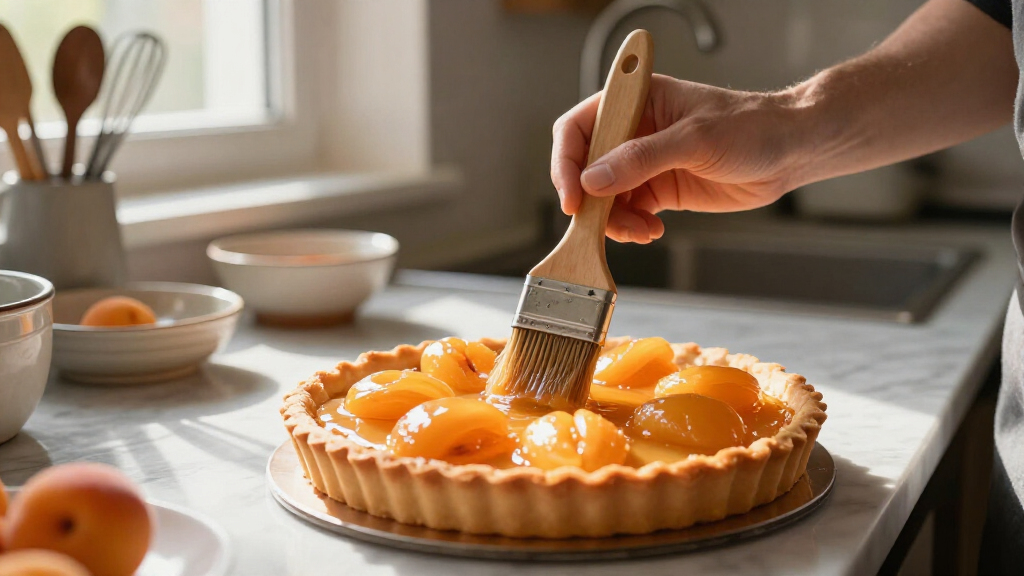
Whether you’re glazing a shiny apple tart, sealing the edges of a hand pie, or brushing butter onto flaky layers, a pastry brush makes the job cleaner, more precise, and more professional-looking. If you’re serious about baking, it belongs in your toolkit—no exceptions.
A pastry brush provides even, controlled coverage that substitutes like spoons or fingertips can’t match.
Choose between natural bristles for delicate, fine coverage and silicone for durability and ease of cleaning.
A 1-1.5 inch wide brush is versatile for most home baking tasks.
Proper cleaning and separate brushes for different uses prevent cross-contamination and prolong tool life.
Innovations like removable heads and high-heat silicone expand a pastry brush’s usefulness beyond traditional baking.
The small tool with a big finish
Why a Pastry Brush Belongs in Every Baker’s Drawer
Precise, gentle, consistent. A pastry brush applies egg wash, butter, oil, syrup, and glaze as a controlled film—reaching delicate seams and detailed edges without flooding or flattening the dough.
One brush, seven high-impact jobs
The brush controls where liquid lands and how much is deposited. That simple difference improves color, texture, adhesion, moisture, and presentation.
Apply egg wash
Build a glossy, evenly browned crust on breads, pies, pastries, and laminated doughs.
Brush butter or oil
Coat phyllo, biscuits, rolls, pans, and warm breads without heavy, localized saturation.
Glaze and finish
Spread simple syrup, melted jam, honey, or a thin glaze without flooding fragile surfaces.
Remove excess flour
Use a clean, dry brush before folding, sealing, or laminating rolled dough.
Moisten cake layers
Apply syrup gradually for even moisture while reducing the chance of soggy patches.
Seal and add toppings
Bond hand-pie edges and create an even binder for seeds, sugar, salt, or spices.
Why the brush beats improvised substitutes
A spoon pours; a fingertip presses. Bristles distribute a thin film, follow contours, and reach details with minimal force.
Relative task performance
Natural bristles or silicone?
Neither material wins every task. Match the brush to the liquid, temperature, level of detail, and cleaning demands.
| Feature | Natural bristles | Silicone |
|---|---|---|
| Best for | ✓Thin liquids and delicate details | ✓Butter, oil, sauces, and hot tasks |
| Coverage style | ✓Fine, light, and painterly | ~Heavier strokes with watery liquids |
| Durability | ~Can shed when worn or poorly made | ✓Highly durable and flexible |
| Absorption | ~May retain grease, odors, or moisture | ✓Non-porous and odor resistant |
| Cleaning | ~Gentle handwashing and full drying | ✓Often dishwasher-safe |
| Heat use | ~Keep away from flame and hot cookware | ✓Heat-resistant within its stated limit |
The five-step path to an even finish
Control begins before the brush touches the dough. Prepare the liquid, limit the load, and build coverage gradually.
Whisk egg wash thoroughly and strain away stringy egg-white proteins.
Load only the bristle tips instead of submerging the entire brush head.
Wipe the brush lightly against the bowl to prevent drips and pooling.
Start at the center and move gently toward the edges of delicate dough.
Use several thin passes—or two thin coats—rather than one heavy coat.
Choose width by working surface
Clean tools make better food
Good maintenance protects flavor, prevents contamination, and keeps bristles secure and useful for longer.
Separate the workflow
Never use a brush that touched raw egg on fully baked food unless it has been properly washed and sanitized.
Wash gently
Clean by hand, rinse thoroughly, reshape the bristles, and allow the brush to dry completely.
Use dedicated brushes
Keep separate tools for sweet, savory, oily, or strongly flavored applications when practical.
Inspect before use
Replace brushes with loose bristles, cracked heads, damaged handles, or food trapped in crevices.
Pastry brush essentials
The practical answers to the questions most home bakers ask before choosing and using a brush.
Is a pastry brush truly necessary?
It is not indispensable, but it makes washes, fats, and glazes more even and controlled—an inexpensive upgrade with visible results.
What works in a pinch?
Fingertips, a spoon, folded parchment, or a clean cloth can work, but they provide less reach, finesse, and consistency.
How do I prevent streaky egg wash?
Whisk and strain it, remove excess from the brush, apply thin layers, and prevent liquid from collecting in low spots.
Can it go in the dishwasher?
Many silicone brushes can; natural-bristle brushes usually need handwashing. Always follow the manufacturer’s care instructions.
Small tool. Serious control.
A pastry brush turns liquid into a precise finishing layer. It helps preserve delicate structure, improves browning, prevents soggy patches, and creates a cleaner presentation. Keep one within reach—and ideally keep both natural-bristle and silicone options in the drawer.
How a Pastry Brush Transforms Your Baking Results
A pastry brush isn’t just a fancy paintbrush—it’s your secret weapon for even, controlled application of liquids and fats. Proper use of this tool can significantly influence the final appearance and texture of your baked goods, making them more appealing and professional.
Imagine spreading a thin, glossy egg wash on a pie crust. Using a spoon or your finger can result in uneven patches, pooling in some areas and missing others, which can lead to inconsistent color and texture. A pastry brush distributes the wash evenly, reaching into fluted edges and seams, ensuring each part gets the right amount, which is essential for a uniform finish and proper browning.
In laminated doughs like croissants or puff pastry, excess moisture can weaken layers or inhibit proper rise, leading to dense or uneven textures. A pastry brush allows for gentle, precise application of liquids, preserving the delicate structure of these pastries and enhancing their golden appearance.
Beyond aesthetics, even application of liquids impacts the overall quality of baked goods. Uneven glazing can cause areas to brown too much or remain soggy, compromising both appearance and mouthfeel. The brush’s finesse ensures each surface is coated just right, resulting in a uniform, professional look and better texture—factors that can elevate your baking from homemade to bakery-quality.
Products Worth Considering

Breville Barista Pro Espresso Machine with Grinder, Brushed Stainless Steel

KitchenAid Artisan Series 5-Quart Tilt-Head Stand Mixer, Dried Rose (KSM150PS)

Breville Bambino Espresso Machine, Brushed Stainless Steel
As an affiliate, we earn on qualifying purchases.
Why a Pastry Brush Is Smarter Than Using Your Fingers or a Spoon
While using your fingers or a spoon might seem quick and convenient, these methods lack the precision and finesse that a pastry brush offers. Fingertips can leave uneven streaks, transfer oils, or distort delicate doughs, which can compromise the final appearance and structure of your baked goods.
A pastry brush deposits a thin, consistent film of liquid, reducing the risk of pooling or over-saturation that can lead to sogginess or uneven browning. Its bristles can reach into crevices, fluted edges, and seams—areas that fingertips or spoons struggle to cover thoroughly. This level of control is crucial for achieving a smooth, uniform coating.
For example, when applying an egg wash to a Danish pastry, a brush ensures a glossy, even finish without disturbing the layers or causing the dough to stick together. It minimizes the risk of over-application, which can lead to excessive browning or soggy textures, and helps maintain the structural integrity of delicate pastries. Although fingers and spoons are handy, they tend to lack the finesse and consistency needed for professional results. A pastry brush, therefore, becomes a smarter choice, especially when aiming for high-quality, visually appealing baked goods that require delicate handling and precise application.
Natural Bristles vs. Silicone: Which One Do You Need?
| Feature | Natural Bristles | Silicone |
|---|---|---|
| Best for | Thin liquids, delicate pastry details, egg washes | Thicker sauces, butter, oil, hot applications |
| Durability | Can shed, needs careful cleaning | Very durable, dishwasher safe |
| Absorbs | Yes, retains odors and flavors | No, non-porous |
| Cleaning | Requires gentle washing, careful drying | Easy to sanitize, dishwasher-safe |
Choosing between natural bristles and silicone brushes involves understanding their strengths and limitations. Natural bristles excel at providing fine, even coverage for egg washes and delicate pastry work because their soft, porous nature allows for a gentle, controlled application that mimics the finesse of a painter’s brush. However, this same porosity makes them more prone to shedding, retaining odors, and requiring careful cleaning and drying to prevent bacteria buildup.
Silicone brushes, on the other hand, are virtually indestructible and non-porous, which means they don’t absorb flavors or odors and are easy to clean thoroughly. They’re ideal for hot fats, thick glazes, or sticky substances where durability and ease of sanitation are priorities. The tradeoff is that silicone brushes may not provide the same delicate, even coverage as natural bristles, especially with very thin liquids or for detailed work.
Understanding these tradeoffs helps you select the right tool for each specific task. For delicate applications, natural bristles often deliver superior finesse, but they require more maintenance. Silicone brushes are better for heavy-duty tasks and situations where sanitation and durability are critical. Recognizing these nuances ensures you choose the most appropriate brush, leading to better results and longer-lasting tools, ultimately enhancing your baking experience and outcomes.
Frequently Asked Questions
Is a pastry brush really necessary?
While not absolutely essential, a pastry brush makes applying egg washes, butter, or glazes more even and controlled. It helps achieve professional-looking finishes on pies, breads, and pastries, making it a worthwhile addition to your toolkit.
What can I use if I do not have one?
Substitutes include fingertips, the back of a spoon, folded parchment, or a clean cloth. These options work in a pinch but often lack the precision and gentle touch a pastry brush offers, especially on delicate doughs.
Which is better: silicone or natural bristles?
Natural bristles excel at fine, even coatings for egg washes and delicate pastries. Silicone brushes are more durable, easier to clean, and better for hot or thick applications. Choose based on your main tasks and preferences.
How do I prevent streaky egg wash?
Whisk and strain the egg wash thoroughly, then apply in thin, even layers from the center outward. Remove excess liquid before brushing and avoid pooling, which can cause uneven color.
Can I put a pastry brush in the dishwasher?
Many silicone brushes are dishwasher-safe, but natural bristle brushes should be washed by hand to prevent damage. Always check the manufacturer’s instructions to keep your brush in top shape.
Conclusion
In baking, details matter. A pastry brush isn’t just a tool—it’s a small upgrade that makes every glaze, wash, or oil application more even, precise, and professional-looking.
Keep one handy. Your baked goods will thank you with better color, texture, and presentation—and you’ll enjoy the process more, too.