TL;DR

Get baking supplies delivered free with Prime
- Fast, free delivery on millions of items
- Prime Video, Amazon Music and more included
- Member-only deals all year
A Dutch oven is a powerhouse in your kitchen, perfect for baking crusty bread, roasting, and more. Proper use and care make it a lifelong kitchen companion—here’s how to get the most out of yours.
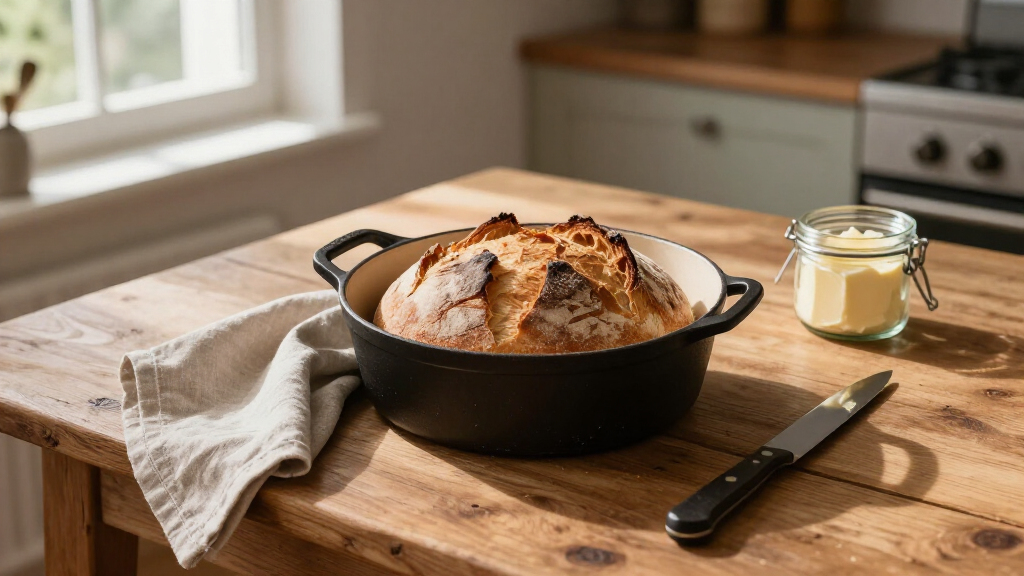
Imagine pulling a loaf of bread from your oven that has a crackling, golden crust and a tender, airy crumb. That magic happens thanks to one simple tool: the Dutch oven. This heavy, lidded pot isn’t just for bread. It’s a multi-tasking marvel, capable of roasting, braising, frying, and even baking desserts.
If you’re serious about elevating your home-cooked meals, understanding how to use, care for, and choose the right Dutch oven can transform your kitchen experience. Whether you’re a seasoned baker or just starting out, this guide will help you unlock the full potential of this timeless cookware.
Preheat your Dutch oven thoroughly for that perfect crust—at least 30 minutes in a 450°F oven.
Choosing the right material and size depends on your cooking style—enameled cast iron offers low maintenance, while bare cast iron lasts generations.
Proper cleaning and storage prevent rust and damage—avoid soap on cast iron and dry thoroughly after use.
Dutch ovens aren’t just for bread—they excel at roasting, braising, frying, and even outdoor cooking.
Recent innovations focus on lighter, more sustainable designs, plus accessories that improve baking outcomes.
What Makes a Dutch Oven Perfect for Bread and Beyond?
A Dutch oven’s magic lies in its ability to trap heat and moisture, creating a mini-oven inside your oven. This environment is perfect for baking bread, giving it that professional, crusty exterior and soft interior. But it’s also excellent for roasting vegetables, slow-cooking stews, or frying up crispy chicken.
Imagine tossing a sourdough dough into a preheated Dutch oven. The lid traps steam released by the dough, helping gluten develop and forming that signature crust. This trapped moisture creates a humid environment that allows the bread to expand fully while developing a crisp crust, which is essential for artisan-style loaves. Without it, bread often turns out flatter, less flavorful, and with a less appealing texture.
Beyond bread, think of the Dutch oven as your go-to for dishes that benefit from even heat and moisture. Braised short ribs become fall-apart tender, roasted root vegetables caramelize evenly, and hearty chili develops complex flavors—all thanks to the consistent, moist heat this versatile pot provides. The core feature—its ability to retain and distribute heat evenly—means less hot spots and more predictable results, which is especially important for recipes requiring long cooking times or delicate textures.
Products Worth Considering

Le Creuset Enameled Cast Iron Round Dutch Oven, 5.5 Qt, Flame

Le Creuset Signature Enameled Cast Iron Round Dutch Oven, 5.5 qt, Deep Teal

Le Creuset Enamemed Cast Iron Oval Dutch Oven, 5 qt., White/Crucible
As an affiliate, we earn on qualifying purchases.
Choosing the Right Dutch Oven for Your Kitchen
Picking the perfect Dutch oven starts with understanding the materials and size that fit your needs. For bread baking, a 5 to 7-quart round enameled cast iron pot is ideal because it offers a good balance of capacity and heat retention. Larger sizes can accommodate bigger loaves or multiple items, while smaller ones are perfect for individual servings or side dishes. The material impacts maintenance, durability, and how much effort you need to put into care.
Here’s a quick comparison:
| Feature | Enameled Cast Iron | Bare Cast Iron |
|---|---|---|
| Ease of Use | Low; no seasoning needed | Requires seasoning and care |
| Durability | Very durable; chip-resistant | Very durable; prone to rust if not cared for |
| Heat Retention | Excellent | Excellent |
| Cost | $100-$300 | $50-$150 |
Enamel-coated Dutch ovens are popular because they require minimal upkeep—just regular cleaning and occasional seasoning for bare cast iron. They are less prone to rust and easier to clean, making them a great choice for busy cooks. Bare cast iron, on the other hand, demands more maintenance but rewards you with a pot that can last for generations if properly cared for, and it develops a natural non-stick surface over time. The tradeoff is that it requires more attention to prevent rust and maintain seasoning, but it offers superior heat retention and durability, especially for high-heat searing and outdoor cooking. Your choice depends on how much effort you want to invest versus the longevity and performance you desire.
How to Properly Preheat and Use Your Dutch Oven for Perfect Bread
Preheating your Dutch oven is the secret to that bakery-quality crust. Here’s a simple step-by-step:
- Place your empty Dutch oven with the lid in your oven and set the temperature to 450°F (232°C). Allow it to heat for at least 30 minutes. Proper preheating ensures the entire interior is uniformly hot, which is critical for oven spring and crust formation.
- While it heats, shape your dough and prepare it with parchment for easy transfer. The parchment acts as a barrier, preventing sticking and allowing you to handle the dough safely after baking.
- Carefully remove the hot Dutch oven—use oven mitts! Place your dough inside on parchment, then cover with the lid. The high initial temperature and trapped steam are what give your bread that characteristic rise and crust.
- Bake for 20-30 minutes, then remove the lid for the last 10 minutes to develop color and caramelization. This step balances crust development with interior doneness.
Using parchment paper not only prevents sticking but also makes handling hot dough safer and cleaner. The intense heat combined with the steam trapped inside the preheated Dutch oven mimics professional bakery ovens, allowing your bread to develop that shiny, crackling crust and airy crumb—hallmarks of artisan loaves. Skipping preheating or rushing the process can lead to uneven baking or a lackluster crust, so patience and proper technique are key.
How to Care for Your Dutch Oven to Keep It in Top Shape
Proper care extends your Dutch oven’s life—especially for bare cast iron, which relies on a well-maintained seasoning layer. For enameled versions, gentle cleaning with warm water and a soft sponge is sufficient; avoid abrasive scrubbers that can chip the enamel. For cast iron, a quick rinse with warm water and a brush is best—avoid soap, which can strip seasoning and diminish non-stick qualities. After cleaning, dry thoroughly—moisture causes rust, especially in bare cast iron. Applying a thin layer of oil after drying creates a protective barrier, preventing rust and maintaining the seasoning layer. Never soak cast iron in water or scrub with steel wool, as these can damage the surface and reduce non-stick properties.
For stubborn residue or baked-on food, simmer water and baking soda inside the Dutch oven for 15-20 minutes. This gentle method loosens baked-on debris without harsh scrubbing, preserving the seasoning or enamel surface. Store your Dutch oven in a dry area, and avoid stacking heavy objects on top—especially on enameled pots, which can chip or crack under pressure. Regularly inspecting and maintaining your Dutch oven ensures it remains a reliable, high-performance tool for years to come, allowing you to focus on cooking rather than repairs or replacements.
Latest Trends and Innovations in Dutch Ovens
Recent years have seen exciting innovations: lighter weight options, ergonomic handles, and glass lids that let you peek without losing heat. Manufacturers now focus on environmentally friendly coatings and recyclable materials, making Dutch ovens more sustainable.
For bakers, accessories like silicone trivets, baking mats, and specialized lids help improve results. Some brands now create Dutch ovens specifically tailored for artisan bread, with features like textured interiors for better crusts. These innovations are driven by a desire to make baking more accessible, efficient, and environmentally conscious, reflecting a broader shift toward sustainability and user-friendly design in kitchenware. These advancements allow home cooks to achieve professional results with less effort and more consistency, encouraging experimentation and confidence in baking and cooking.
Trend-wise, more cooks are embracing Dutch ovens for everything from bread to casseroles, thanks to their versatility and appealing aesthetics. The rise of sourdough baking has boosted demand, inspiring new recipes and techniques. As the market evolves, expect more sustainable materials, smarter designs, and accessories that enhance performance—making the Dutch oven an even more indispensable tool in modern kitchens.
What Else Can You Cook in a Dutch Oven? Surprising Uses You Haven’t Tried
A Dutch oven isn’t just for bread. It excels at slow-cooked stews, roasted vegetables, fried chicken, and even baking bread pudding or cobblers. Its even heat distribution makes all these dishes turn out beautifully.
Imagine tossing a batch of root vegetables coated in olive oil into a hot Dutch oven, roasting at 400°F, and ending up with caramelized, crispy edges. Or searing a roast on the stovetop, then slow-cooking it with broth for hours—no need for multiple pans. The Dutch oven’s ability to transition seamlessly from stovetop to oven means you can develop deep flavors through browning and then gently braise or roast, all in one vessel. This versatility reduces the number of dishes to wash and simplifies meal prep. Its robustness also makes it ideal for outdoor cooking—try it on a grill or over an open flame for campfire magic, expanding its role from indoor kitchen staple to outdoor adventure essential.
Troubleshooting Common Issues When Using a Dutch Oven
Burnt crust, uneven baking, or sticking are common frustrations. Here’s how to fix them:
- Burnt crust: If your crust burns before the inside is cooked, consider lowering the oven temperature by 25°F and extending the baking time slightly. Ensuring your Dutch oven preheats properly to the desired temperature helps prevent hot spots that cause uneven browning.
- Uneven baking: Hot spots in your oven can lead to uneven results. Using a baking stone or a heat diffuser underneath your Dutch oven can help distribute heat more evenly, ensuring consistent results across your loaf or dish.
- Sticking dough: Properly flour your dough and use parchment paper to prevent sticking. Also, make sure your Dutch oven is fully preheated; cold or partially heated cookware increases sticking risk. These small adjustments can significantly improve your baking outcomes.
Remember, patience and small tweaks in technique yield better results over time. Don’t be discouraged by initial setbacks; each mistake provides insight into how to perfect your process and achieve bakery-quality results consistently.
Frequently Asked Questions
How do I prevent my bread from sticking to the Dutch oven?
Use parchment paper, thoroughly flour your dough, and ensure the Dutch oven is preheated. These steps create a barrier that keeps your bread from sticking and helps achieve that perfect crust.Can I use my Dutch oven on a stovetop or grill?
Absolutely. Many Dutch ovens are safe for stovetop and outdoor grill use. Just remember to handle it carefully when hot, and avoid sudden temperature changes that can cause cracking or warping.How often should I season my bare cast iron Dutch oven?
Season it when it shows signs of rust or food sticking. A light coat of oil after cleaning, then baking at 450°F for an hour, keeps the seasoning in top shape—usually every few months or as needed.Is an enameled Dutch oven safe at high temperatures?
Yes, most enameled Dutch ovens can handle temperatures up to 500°F. However, avoid sudden temperature changes and check manufacturer guidelines to prevent chipping.What’s the best way to clean stubborn residue?
Fill the Dutch oven with water, add baking soda, and simmer for 15-20 minutes. This gentle method loosens baked-on food, making it easier to scrub without damaging the surface.Conclusion
Mastering your Dutch oven transforms your home cooking. From crusty bread to hearty stews, it’s a tool that rewards patience and care with incredible results. Invest in one, learn its quirks, and watch your culinary confidence grow.
Next time you lift the lid, think of it as opening a portal to bakery-quality dishes—right from your own kitchen. After all, a Dutch oven isn’t just cookware; it’s a new way of cooking that invites experimentation and joy.