
TL;DR

Get baking supplies delivered free with Prime
- Fast, free delivery on millions of items
- Prime Video, Amazon Music and more included
- Member-only deals all year
Mousse, ganache, and chocolate desserts are easier to perfect than you think. Using quality ingredients, precise techniques, and creative flavors, you can craft desserts that impress and satisfy every time.
Imagine the rich, velvety texture of a perfectly made chocolate mousse melting on your tongue, or the glossy shine of a ganache glaze that makes your dessert look like it belongs in a bakery display. These aren’t just desserts—they’re expressions of technique and patience. Whether you’re aiming to elevate a simple cake or create a decadent centerpiece, mastering mousse, ganache, and other chocolate treats opens a world of possibilities.
In this guide, you’ll discover the secrets behind these beloved desserts, practical tips for perfect execution, and creative ideas to make your chocolate creations stand out. No fancy equipment or ingredients needed—just your passion and a dash of know-how.
Use high-quality, couverture chocolate for the best flavor and texture in mousse and ganache.
Proper temperature control and gentle folding are crucial for light, airy mousse and glossy ganache finishes.
Experiment with flavor combinations and presentation to turn simple chocolate desserts into show-stopping creations.
Mastering tempering chocolate ensures a shiny, crisp finish on truffles, éclairs, and other confections.
Healthy ingredient swaps and added superfoods let you enjoy richer desserts with a nutritious twist.
Why Mastering Mousse and Ganache Elevates Your Baking Game
Mousse and ganache are the backbone of many sophisticated desserts. They add depth, texture, and elegance. Learning how to make them well means transforming simple ingredients into breathtaking treats.
For example, a well-made chocolate mousse can be airy and delicate, yet intensely chocolatey. A silky ganache can serve as a luxurious filling, a shiny glaze, or even a stand-alone dessert. When you master these, you unlock endless dessert possibilities—layered cakes, truffles, tart toppings, and more.
Think of them as your versatile tools—like a chef’s sharp knife or a perfect whisk—that can turn an ordinary dessert into something memorable.
Products Worth Considering
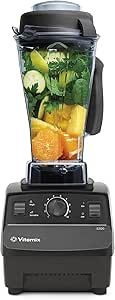
Vitamix 5200 Professional-Grade Blender, 64 oz. Container, Black

Vitamix Propel Series 510 Professional-Grade Blender, 3 Programs, Black

Breville Bambino Espresso Machine, Brushed Stainless Steel
As an affiliate, we earn on qualifying purchases.
The Secrets to Perfect Chocolate Mousse Every Time
Chocolate mousse is a delicate balance of airy lightness and rich flavor. The importance of proper folding and temperature control cannot be overstated because they directly influence the mousse’s texture and stability. Overbeating the egg whites or cream can cause the mousse to collapse or become grainy, while undermixing can result in a dense, heavy texture that lacks elegance. Maintaining the correct temperature during melting ensures the chocolate remains smooth and prevents seizing or streaking, which can ruin the final appearance and mouthfeel. Using high-quality chocolate with a balanced cocoa content ensures a deep, authentic flavor without bitterness or waxiness, which can occur with lower-quality options. Carefully folding whipped egg whites or cream preserves the delicate air bubbles that give mousse its signature lightness, but the order and method of folding are crucial—improper technique can deflate the mixture, losing volume and fluffiness. Chilling the mousse for at least 2 hours allows the flavors to meld and the structure to set, resulting in a refined, professional finish. The choice of serving accompaniments—like whipped cream or fresh berries—complements the mousse’s texture and enhances its flavor profile, making each bite a balanced experience. Mastering these nuances means you can consistently produce mousse that’s not only delicious but also visually appealing and texturally perfect, elevating your baking from good to exceptional.
My tip? Use a rubber spatula and fold in a gentle “zigzag” motion. Avoid overmixing, which deflates the mousse, and always work with ingredients at the right temperature to ensure a smooth, stable final product.
Ganache 101: Crafting a Smooth, Shiny Finish
Ganache is surprisingly simple yet incredibly versatile because it combines the richness of chocolate with the creaminess of dairy or alternative fats, creating a harmonious texture that can be adapted for various uses. The magic lies in understanding how the ratio of cream to chocolate affects the final consistency; more cream yields a pourable glaze, while less creates a thicker filling or frosting. The temperature at which you handle these ingredients is critical—hot enough to melt the chocolate evenly but not so hot that it causes separation or alters the flavor profile. When pouring ganache over a cooled cake, the temperature differential helps it spread smoothly and creates a mirror-like shine that accentuates the dessert’s visual appeal. Adding a small amount of butter or corn syrup after stirring enhances the gloss and gives a more reflective surface, making the dessert look more professional. The quality of chocolate directly impacts the final appearance and flavor—using couverture chocolate ensures a glossy, stable finish that holds its shine over time. Understanding these details allows you to manipulate ganache into different textures—thick enough for truffles, glossy for glazing, or whipped for a mousse-like consistency—broadening your repertoire of chocolate confections and elevating your presentation skills.
For a stunning, professional finish, ensure your ganache reaches around 30-35°C before pouring. This precise temperature promotes a smooth, shiny surface and helps prevent issues like cracking or dullness. Properly stored, ganache can be reheated and reused, making it a practical and impressive component in your baking arsenal.
Comparison Table: Mousse vs. Ganache — What’s the Difference?
| Feature | Mousse | Ganache |
|---|---|---|
| Texture | Light, airy, fluffy — achieved by incorporating air through whipped whites or cream, which creates a delicate structure that melts quickly and offers a luxurious mouthfeel. This texture is crucial for providing a sophisticated contrast to other desserts and can be manipulated for various presentations. | Rich, velvety, smooth — resulting from the emulsification of chocolate and cream, ganache offers a dense, luscious consistency that coats, fills, or glazes desserts. Its stability and shine depend on the ratio of ingredients and temperature control, making it a versatile base for many chocolate confections. |
| Uses | Filling, layering, standalone dessert — mousse’s airy nature makes it ideal for layering in cakes, serving as a light filling, or enjoying on its own for a delicate, satisfying treat. Its ability to hold shape when chilled allows for elegant presentation. | Filling, glazing, frosting, truffles — ganache’s adaptability stems from its consistency; it can be poured over cakes for a glossy finish, whipped for a fluffy frosting, or cooled and shaped into truffles. Its shiny appearance and rich flavor make it perfect for creating a luxurious chocolate experience. |
| Preparation | Fold whipped whites or cream into melted chocolate carefully, maintaining airiness. The process requires gentle handling to preserve volume and avoid deflation, with attention to the temperature of ingredients to ensure stability. | Pour heated cream over chopped chocolate, let sit briefly, then stir until smooth. The ratio of cream to chocolate determines the final consistency, and temperature management is essential to prevent separation or dullness. Proper stirring and cooling techniques are key to achieving a professional finish. |
| Best for | Delicate, elegant desserts with a light texture that melts quickly, such as mousse cakes, parfaits, and layered desserts. Ideal when a refined, airy element is desired in the presentation. | Shiny finishes and rich fillings that need to look polished and taste decadent. Suitable for cake glazes, truffle centers, and fillings that require a smooth, luscious mouthfeel with a professional appearance. |
Creative Ways to Use Chocolate Desserts in Your Kitchen
Once you master mousse and ganache, the fun begins. Use them to make layered tarts, elegant parfaits, or rich truffles. For instance, layer a chocolate mousse over a crunchy biscuit base, then top with a glossy ganache for a professional look.
Try adding flavor twists—like chili, sea salt, or orange zest—to your ganache. Or fold in spices or herbs to your mousse for unexpected depth. These variations not only enhance the flavor but also add visual interest, making your desserts more memorable and sophisticated.
Imagine slicing into a chocolate tart with a smooth ganache top, revealing a hidden layer of berry compote. These desserts aren’t just tasty—they’re visual showstoppers. Experimenting with textures, colors, and flavor pairings turns simple recipes into signature creations that showcase your culinary creativity and attention to detail.
How to Achieve a Professional Finish on Your Chocolate Desserts
Presentation makes or breaks a dessert. To get that glossy ganache shine, pour it at just the right temperature—around 30-35°C—over a cooled cake or tart. Using a spatula or palette knife to smooth the surface ensures an even, professional look, while refrigerating briefly helps set the finish and enhances the shine. For mousse, piping or spooning into elegant glasses or molds allows for refined presentation, especially when paired with garnishes like edible flowers, gold leaf, or contrasting fruit. Ensuring thorough chilling—at least 2 hours—helps the dessert hold its shape and improves texture. Small details, such as a drizzle of caramel or a sprinkle of sea salt, can elevate the visual and flavor profile, turning a simple dessert into a masterpiece. These finishing touches demonstrate your skill and attention to detail, making your desserts not only delicious but also visually stunning.
Healthy Twists on Classic Chocolate Desserts
You can enjoy chocolate desserts without ignoring your health goals. Swap heavy cream for coconut milk or avocado for richness. Use natural sweeteners like honey or maple syrup, and add superfoods such as chia seeds or cacao nibs. These substitutions not only reduce processed ingredients but also introduce additional nutrients and flavors that can enhance the depth of your desserts. For example, vegan mousse made with whipped coconut cream and dark chocolate sweetened with maple syrup offers a rich, satisfying experience without dairy or refined sugar. Similarly, a low-sugar ganache with almond butter and sea salt provides a decadent taste while being more nutritious. These tweaks preserve the indulgence while making your desserts more balanced and health-conscious, allowing you to enjoy your favorite treats without guilt and encouraging experimentation with wholesome ingredients that can elevate your baking repertoire.
Frequently Asked Questions
How do I prevent my ganache from becoming grainy or separating?
Use high-quality, fresh chocolate and heat the cream just enough—avoid boiling. Stir thoroughly and pour the cream over chocolate slowly. Maintaining proper temperature and gentle mixing keeps your ganache smooth and glossy.
What are the best types of chocolate for making mousse and ganache?
Look for couverture chocolate with 60-70% cocoa content. It melts smoothly, offers a rich flavor, and creates the best texture for mousse and ganache. Avoid chocolate chips or lower-quality options that don’t melt evenly.
Can I make chocolate mousse without eggs?
Absolutely. Vegan mousse recipes often substitute eggs with aquafaba (the chickpea brine) or whipped coconut cream. These alternatives can give you the same airy, decadent result without eggs.
How do I get a shiny, professional-looking ganache glaze?
Temper your chocolate or ensure your ganache is at about 30-35°C before pouring. Use a spatula to smooth it out quickly, and refrigerate briefly to set for a sleek, mirror-like finish.
What creative flavor pairings work well with chocolate desserts?
Sea salt, chili, citrus zest, coffee, berries, and fresh herbs like mint or basil all complement chocolate beautifully. These add depth and surprise, elevating your desserts beyond simple sweetness.
Conclusion
Chocolate desserts aren’t just about taste—they’re about technique, patience, and a dash of creativity. When you understand the core methods behind mousse and ganache, you unlock endless possibilities for stunning, delicious treats.
So next time you reach for chocolate, remember: mastering these basics sets the stage for desserts that impress both the eyes and the palate. Get your ingredients ready, and let your creativity run wild.