
TL;DR

Get baking supplies delivered free with Prime
- Fast, free delivery on millions of items
- Prime Video, Amazon Music and more included
- Member-only deals all year
Reducing fat in baking is possible without turning your treats into cardboard. Use smart substitutes like applesauce, yogurt, and vegetables, and tweak techniques to keep moisture and flavor intact. Balance is key for healthier, tasty baked goods.
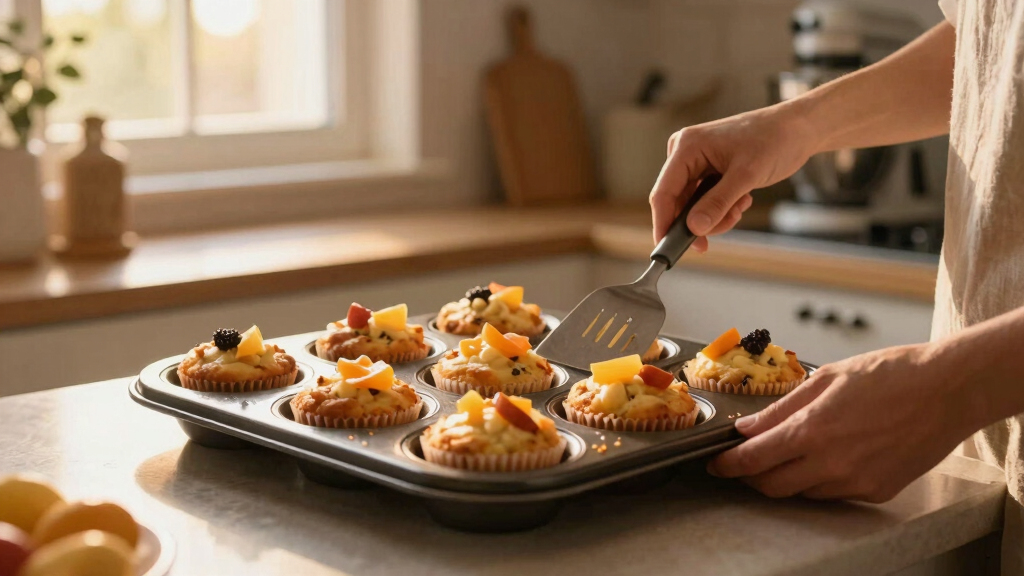
Ever bite into a low-fat muffin and feel like you’re chewing on cardboard? That’s a common pitfall. But reducing fat doesn’t have to ruin your baked goods. In fact, with the right tricks, you can cut calories and saturated fats without sacrificing moisture, tenderness, or flavor.
This guide reveals how fats work in baking and shows you practical swaps and tweaks to keep your treats irresistibly moist and delicious. Whether you’re baking muffins, cakes, or cookies, these tips help you get the health benefits without the disappointment.
Replacing up to 50% of the fat in baked goods is feasible with proper ingredients and techniques.
Substitutes like applesauce, Greek yogurt, and pureed vegetables add moisture without the heaviness.
Adjust baking times and temperatures to prevent dryness or density when reducing fat.
Enhance flavor and mouthfeel with spices, extracts, and texture-repairing ingredients like xanthan gum.
Stay updated on new plant-based fat replacers and natural thickeners that mimic traditional fats more closely.
Why Fat Matters More Than You Think in Baking
Fat isn’t just about calories; it plays a critical role in creating the desirable qualities we associate with baked goods. It coats gluten strands, which prevents them from becoming too tough or chewy, resulting in tender, airy textures. Additionally, fat traps air and moisture, contributing to the lightness and moistness of the final product. It also carries flavors, enhancing the overall taste experience. When you cut fat, you’re not just reducing calories—you risk altering these essential properties, often leading to baked goods that are dry, crumbly, or lacking in flavor. Understanding this helps you appreciate why simply removing fat without thoughtful substitutions can backfire, turning what should be tender and flavorful treats into dense or dry alternatives. The tradeoffs involve balancing health goals with sensory satisfaction, making it clear that smart substitutions are vital to maintaining the integrity of your baked goods while reducing fat content.
Products Worth Considering

De'Longhi Dinamica Plus Fully Automatic Espresso Machine

Instant Pot Pro 8 Qt 10-in-1 Electric Pressure Cooker, Black

Breville Smart Grinder Pro Conical Burr Coffee Grinder, Brushed Stainless Steel
As an affiliate, we earn on qualifying purchases.
Smart Substitutes That Keep Your Baked Goods Moist and Tasty
Replacing fats isn’t just about swapping ingredients; it’s about choosing the right ingredient for the specific role fat plays in your recipe. For example, applesauce adds moisture and a natural sweetness, making it ideal for muffins and quick breads where a softer crumb is desired. Greek yogurt provides creaminess and protein, tenderizing baked goods while contributing to moisture retention—its acidity can also influence leavening. Pureed vegetables like zucchini or pumpkin not only boost moisture but also add nutritional value, subtly blending into the batter without overpowering flavors. Mashed bananas bring natural sweetness and moisture, especially in dense baked items like breads and muffins, but their flavor can influence the final taste. Using these substitutes involves understanding their unique properties and how they interact with other ingredients. For instance, replacing a quarter cup of butter with applesauce maintains moisture but can also alter the richness, so balancing with flavor-enhancing spices or extracts is often necessary. Thoughtful application of these substitutes ensures your baked goods stay moist, tender, and flavorful without excess fat, but it’s important to consider the tradeoffs—like potential changes in sweetness or density—and adjust accordingly.
How to Adjust Baking Techniques for Less Fat
Reducing fat isn’t just about swapping ingredients; it requires modifying your baking approach to compensate for the structural and moisture-retaining roles fat typically plays. For instance, lowering the oven temperature by about 25°F helps prevent baked goods from browning too quickly or drying out, which can happen more easily when fat content is reduced. Increasing liquids slightly—adding an extra tablespoon of milk or water per cup of flour—helps maintain the batter’s moisture and prevents dryness, especially since fats contribute to moisture retention. Shortening baking time is also crucial; less fat can cause baked goods to cook faster or become overbaked if not monitored carefully. Using proper flours, such as whole wheat or alternative options, can make baked goods denser, so mixing in lighter flours or using a combination helps preserve a tender crumb. For example, a low-fat banana bread baked at 350°F instead of 375°F might need about 5 minutes less to stay moist and tender. These adjustments require a bit of experimentation but are essential for achieving the right texture when reducing fat content.
The Balance of Flavor, Texture, and Health
Cutting fat can diminish the richness and complexity of flavors, making baked goods taste blander or less satisfying. To compensate, incorporate natural flavor boosters such as vanilla extract, cinnamon, nutmeg, or citrus zest. These ingredients add depth and aroma, elevating the overall sensory experience without adding fat. Texture-wise, adding a tablespoon of flaxseed meal or xanthan gum can mimic the mouthfeel and binding properties of traditional fats, helping baked goods stay soft, crumbly, and moist rather than dense or gummy. For example, a low-fat carrot cake with extra cinnamon and orange zest can still deliver vibrant, complex flavors even with reduced butter. The key is to balance these enhancements carefully, ensuring they complement rather than overpower the core ingredients. This approach allows you to maintain the desired flavor and texture profiles, making healthier baked goods that still satisfy your palate and provide the same indulgent experience as their full-fat counterparts.
Recent Innovations Making Low-Fat Baking Easier
Recent developments in plant-based and natural ingredients have revolutionized low-fat baking. Fat replacers derived from starches, fibers, or proteins now mimic the creamy, rich mouthfeel of butter or oil while significantly reducing saturated fat content. These ingredients often have clean labels, appealing to health-conscious consumers. Gums like xanthan or guar improve crumb structure and moisture retention, especially in gluten-free or vegan recipes, by forming a gel-like network that traps water and air. This not only enhances texture but also prolongs freshness. For example, some commercial fat replacers can substitute up to 75% of the traditional fat, maintaining a satisfying mouthfeel that’s surprisingly close to full-fat baked goods. These innovations enable bakers to create healthier options without sacrificing the sensory qualities that make baked treats irresistible, opening new avenues for experimentation and healthier indulgence.
Frequently Asked Questions
Can I replace all the fat in my baking recipes?
Complete replacement is tricky because fat contributes to structure and moisture. Partial swaps—up to 50%—are usually more successful without compromising texture.What are the best fat substitutes for cookies and muffins?
Applesauce, Greek yogurt, mashed bananas, and pureed vegetables work well. Their effectiveness depends on the recipe, so some trial and error might be needed.Will reducing fat make my baked goods taste bland?
It can, but adding spices, vanilla, citrus zest, or natural flavor extracts can compensate for the loss of richness and make your treats flavorful.How can I prevent baked goods from drying out with less fat?
Increase moisture through ingredients like milk or applesauce, and adjust baking times—shortening slightly helps retain tenderness.Are there ready-made low-fat baking mixes?
Yes, some brands offer low-fat or fat-free mixes, but customizing your recipes with natural swaps usually gives you more control over flavor and texture.Conclusion
Reducing fat in baking isn’t about sacrificing enjoyment. It’s about smarter choices and subtle tweaks that preserve moisture, tenderness, and flavor. With practice, you’ll master the art of healthy baking that tastes as good as full-fat versions.
So, next time you reach for butter, consider a healthier swap—your taste buds and waistline will thank you. Remember, the magic lies in balance—less fat, not no fat, for baked goods that delight every time.