TL;DR

Get baking supplies delivered free with Prime
- Fast, free delivery on millions of items
- Prime Video, Amazon Music and more included
- Member-only deals all year
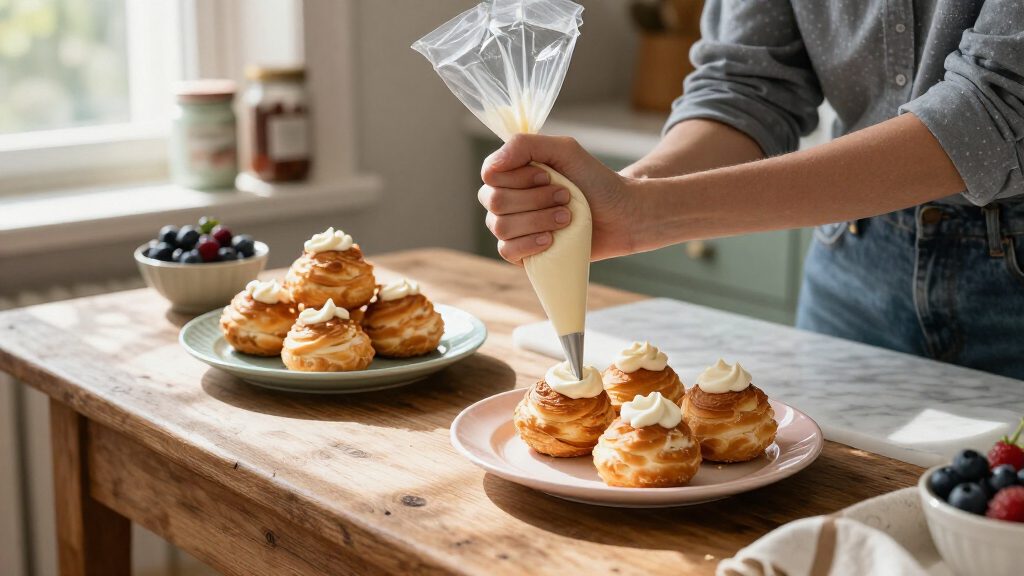
Profiteroles stay crisp when you thoroughly dry the shells after baking, avoid trapping steam, and store them properly. Baking until deeply golden and filling just before serving keeps their crunch intact.
Profiteroles are a stunning, elegant dessert, but their secret weapon—crisp shells—often fades too quickly. The challenge? Moisture sneaks in after baking, softening their delicate structure. But with a handful of practical tricks, you can make profiteroles that stay crunchy longer, even hours after they come out of the oven.
Whether filling them with pastry cream, whipped cream, or ice cream, your goal is a shell that’s dry, firm, and resilient. Stick with me, and I’ll show you how to nail that perfect crunch every time, from mixing the dough to storing your baked shells.
Dry the shells thoroughly after baking by piercing and returning them to a low oven or turning off the heat.
Use a steady, moderate oven temperature to encourage even baking and deep browning without burning.
Store unfilled shells in an airtight container at room temperature, and re-crisp them before filling if needed.
Fill profiteroles just before serving, and avoid moisture-rich fillings or sauces that soften the shells.
Pay attention to the panade’s consistency and cooking process—these are the secrets to a sturdy, crisp shell.
How to Make Profiteroles That Stay Crisp
Crisp choux is built by controlling water at every stage: dry the panade, balance the eggs, bake until deeply golden, vent trapped steam, cool with airflow, and fill only when service is close.
It shows that the panade has cooked long enough to shed excess moisture and build a sturdy shell.
Pale shells are commonly underbaked inside, even when the surface looks set.
Pastry cream, whipped cream, ice cream and sauce all transfer moisture into the shell.
Five checkpoints from pan to rack
Each checkpoint removes moisture, strengthens structure or prevents condensation. Missing one can undo the work of the others.
Dry the panade
Stir over medium heat until the paste forms a smooth ball and leaves a thin film on the pan.
Judge the eggs
Add beaten egg gradually. Stop when the dough is glossy and falls in a thick V-shaped ribbon.
Bake deeply
Pipe even mounds and bake in a fully preheated oven until the shells are golden, rigid and light.
Vent the steam
Pierce each shell or cut a small slit in the base, then return it to gentle oven heat.
Cool with air
Move shells to a wire rack. Keep them uncovered until they are completely cold.
The thin film left by a properly cooked panade is not residue to fear—it is a useful visual signal that excess water has evaporated and the paste is ready to support a crisp shell.
Where crispness disappears
Residual steam is the first threat. Condensation, humid storage and wet fillings continue the same moisture migration after baking.
Relative softening risk
A practical comparison of the most common failure points. Longer bars indicate a greater threat to shell crunch.
Targeted fixes
Match the symptom to the moisture source instead of simply extending the bake without diagnosis.
Bake longer, vent every shell and finish with a short low-temperature drying stage.
Cool completely before sealing. Re-crisp unfilled shells in a moderate oven.
Add egg gradually next time; overly wet dough produces weak walls and poor lift.
Use a thick, chilled filling and assemble shortly before serving.
What helps—and what hinders
Maximum crispness usually favors water, all-purpose or bread flour, restrained butter and little or no sugar.
| Ingredient | Structural role | Effect on crispness | Best-use guidance |
|---|---|---|---|
| Water | Creates the steam that expands the shell. | HIGH · Encourages a crisper crust when fully evaporated. | Favor water when crunch is the priority; dry the interior thoroughly. |
| Milk | Adds proteins, sugars, flavor and browning. | MIXED · Richer color, slightly softer crust. | Use in a water-and-milk blend when tenderness matters alongside crispness. |
| Butter | Adds flavor, tenderness and emulsification. | MIXED · Excess fat can weaken the shell. | Keep the flour-to-butter balance precise rather than adding extra for richness. |
| Bread flour | Higher protein builds stronger walls. | HIGH · Sturdy, resilient and crisp. | Choose it for shells that must hold firm fillings or survive handling. |
| All-purpose flour | Balances strength with tenderness. | GOOD · Reliable classic texture. | A versatile default for evenly shaped profiteroles with a crisp exterior. |
| Cake flour | Lower protein creates delicate walls. | LOW · Softens more easily. | Reserve for a tender result where long-lasting crunch is less important. |
| Eggs | Supply structure, moisture, color and emulsification. | VARIABLE · Excess egg causes spreading and weak shells. | Add gradually and stop at the V-shaped ribbon stage. |
| Sugar | Promotes sweetness and browning. | LOW · Attracts environmental moisture. | Use little or none when storage time and crispness are priorities. |
Consistency outranks egg count: egg size, flour absorption and the panade’s remaining moisture all vary. The dough’s glossy, pipeable texture is the dependable stopping signal.
Protect the crunch after baking
Unfilled shells can be prepared ahead. The important sequence is complete cooling, dry storage, re-crisping when needed and late filling.
Ahead-of-time timeline
Quick answers
Why do profiteroles soften so quickly after filling?
The shell absorbs water from pastry cream, whipped cream, ice cream or sauce. Thick, chilled filling and late assembly slow the transfer.
Can the shells be baked ahead?
Yes. Cool them completely, store them airtight at room temperature and re-crisp them in a moderate oven before filling.
Should unfilled shells be refrigerated?
No. Refrigeration exposes them to humidity and encourages softening. Room-temperature dry storage is the better choice.
Can a soft shell be rescued?
If it is still unfilled, a short moderate-oven reheat can drive off absorbed moisture and restore much of the crunch.
Why Your Profiteroles Turn Soft and How to Fix It
Profiteroles become soft mainly because moisture sneaks in—either from underbaking, improper cooling, or storage. The inside still contains residual steam or humidity, which gradually softens the shell. Understanding why this happens helps you take targeted actions. For example, underbaking leaves moisture trapped inside, which continues to generate steam even after removal from the oven, softening the shell from within. Improper cooling—like sealing warm shells in an airtight container—traps residual heat and humidity, creating a humid environment that softens the exterior. Storage in a sealed container while still warm causes condensation, turning the shell soggy and dull.
The key to fixing this is thorough drying and correct cooling techniques. By allowing the shells to cool completely in a dry environment and ensuring they are exposed to airflow, you facilitate moisture escape. This balance is crucial: over-drying can make shells too brittle, while under-drying leaves them soft. The tradeoff lies in timing—aiming for a crisp shell without risking cracks or dryness that might cause them to break when filled or handled. Proper drying ensures the shell maintains its structure and crunch, which is essential for an elegant presentation and a satisfying bite.
Products Worth Considering
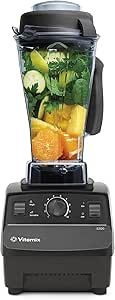
Vitamix 5200 Professional-Grade Blender, 64 oz. Container, Black

Instant Pot Duo Crisp Ultimate 6.5-Quart 13-in-1 Pressure Cooker and Air Fryer

Weber Genesis E-415 4-Burner Propane Gas Grill, Black
As an affiliate, we earn on qualifying purchases.
The Exact Steps to Bake Profiteroles That Stay Crispy
- Cook the panade thoroughly, stirring over medium heat until it forms a smooth, cohesive ball that leaves a thin film on the pan. This step is crucial because it removes excess water, which if left unevaporated, will turn into steam during baking and cause the shells to puff up unevenly or become soggy inside. Achieving this thin film indicates that enough moisture has been driven off, setting the stage for a sturdy shell.
- Gradually add beaten eggs, watching for a glossy, thick ribbon that holds its shape when piped. This ensures the dough has the right consistency—neither too wet, which would lead to spreading and weak shells, nor too stiff, which can cause cracks. Properly balanced dough results in shells that expand uniformly and develop a crisp, even texture.
- Pipe evenly sized mounds on a preheated, light-colored baking tray. Avoid overcrowding because overcrowding traps moisture and prevents proper heat circulation, which are both critical for crispness. Using a light-colored tray helps reflect heat evenly, aiding in uniform baking.
- Bake at a steady, moderate temperature—around 375°F (190°C)—until shells are deeply golden and feel light and firm. Deep browning indicates Maillard reactions that develop flavor and color, but overbaking can dry out shells excessively. Underbaking leaves residual moisture, softening the crust. Balancing time and temperature ensures a crisp shell that retains moisture inside where needed, but not outside.
- Vent or pierce each shell with a toothpick or small knife near the end of baking. Return them to the oven turned off or at a low temp for 5-10 minutes to dry out the interior. This step releases residual steam trapped inside, preventing sogginess and ensuring the shell remains crisp upon filling.
- Cool on a wire rack with airflow. Do not cover or store while still warm to avoid condensation, which can soften the shell. Proper cooling in a dry environment preserves the shell’s crispness and prevents the formation of moisture that would compromise its texture.
This process guarantees shells that are dry and sturdy, ready to hold fillings without softening. Each step is about controlling moisture at critical points—removing excess water, preventing steam buildup, and encouraging even drying—each of which directly impacts the final texture and presentation of your profiteroles.
What Ingredients Help Your Shell Stay Crisp — And What Hinders It
| Ingredient | Effect on Crispness |
|---|---|
| Water | Creates strong steam during baking, which is essential for puffing up the shells and developing a crisp exterior. The amount of water influences the amount of steam generated—more water can produce a crisper shell if controlled properly, but too much can lead to excess moisture inside, softening the structure if not evaporated properly. |
| Milk | Adds flavor and browning through sugars and proteins, but can soften the crust because it introduces additional moisture and sugars that attract humidity. The tradeoff is richer flavor versus potential loss of crispness—balancing ingredients is key to optimizing shell texture. |
| Butter | Provides tenderness and richness, but excessive butter can weaken the shell’s structure, making it more prone to sogginess or breakage. Using just enough helps maintain a sturdy, crisp shell while enhancing flavor. |
| Flour Type | Bread flour, with higher gluten content, yields sturdier, chewier shells that hold their shape better. Cake flour results in softer, more delicate shells that may soften faster. Choosing the right flour depends on the desired balance between crispness and tenderness. |
| Eggs | Supply moisture and structure; excess eggs can cause the dough to spread or become too moist, leading to softer shells or collapse. Properly balanced eggs help create a stable, crisp shell that can hold fillings without sagging. |
| Sugar | Promotes browning and adds sweetness, but attracts moisture from the environment, which softens the shell over time. Using minimal sugar helps preserve crispness, especially if shells are stored for a while. |
Choosing ingredients thoughtfully—favoring water and sturdy flour while limiting moisture-attracting components—directly influences the shell’s ability to stay crisp. Understanding these effects helps you make informed choices, balancing flavor, appearance, and texture for the perfect profiterole.
Frequently Asked Questions
Why do my profiteroles soften so quickly after filling?
Filled profiteroles absorb moisture from the filling or sauce, especially if it’s warm or runny. Filling just before serving and using a thick, chilled filling helps maintain crunch longer.Can I bake profiteroles ahead of time and keep them crisp?
Yes, bake and cool the shells completely, then store them airtight at room temperature. Re-crisp in a moderate oven before filling. Avoid refrigeration, which adds humidity and softens shells.Is it better to use water or milk in the dough?
Water creates a crisper shell because it produces stronger steam. Milk adds flavor and browning but can soften the crust. Choose based on your desired texture and taste.How can I tell if a profiterole shell is fully baked?
Look for deep, golden color and a firm, hollow feel. It should feel light and dry to the touch, not just browned on the surface.What’s the best way to re-crisp stale profiteroles?
Reheat them in a 300°F (150°C) oven for 5-8 minutes until crispy, then cool on a rack. Avoid sealing or refrigerating before reheating, as humidity softens the shells.Conclusion
Achieving profiteroles that stay crisp isn’t magic—it’s about moisture control and patience. Bake them until deeply golden, dry out the interior, and store them properly. A little extra care makes all the difference between a soggy disappointment and a crisp, elegant dessert.
Next time you make profiteroles, picture that perfect, crunchy shell with every bite—your secret weapon for impressive, delicious desserts.