
TL;DR
Listen free for 30 days with Audible
Thousands of audiobooks and originals — cancel anytime.
Start your free trialAs an affiliate, we earn on qualifying purchases.
Overnight bread involves preparing dough to ferment slowly in the fridge for 8–16 hours. This method boosts flavor, improves texture, and fits into busy schedules, making baking more relaxed and delicious.
Imagine waking up to the rich, yeasty aroma of freshly baked bread filling your kitchen. No rush, no last-minute kneading—just a simple prep the night before that does all the work while you sleep. Overnight bread isn’t just about convenience; it’s a game-changer for flavor, texture, and simplicity.
Whether you’re a seasoned baker or just starting out, mastering the art of overnight fermentation opens a new world of fresh, wholesome bread with minimal fuss. You’ll learn how long fermentation improves flavor, what types of dough benefit most, and how to fit this method into your busy schedule.
Long fermentation in the fridge develops richer flavors and improves digestibility.
Preparation is simple: mix, ferment overnight, shape, and bake—minimal hands-on time.
Adjust fermentation time based on dough activity; look for bubbles and slight puffiness.
Using a Dutch oven or baking stone creates a crust that mimics artisan bakeries.
Experiment with flours and add-ins during overnight fermentation to customize your loaf.
Why Letting Dough Ferment Overnight Makes Your Bread Better
Overnight fermentation is like giving your bread a slow, relaxing spa day. It allows enzymes and yeast to work their magic gradually, developing deeper flavors and a more complex aroma. This slow process also enhances gluten development, resulting in a dough that’s stronger, more elastic, and easier to shape, which directly impacts the bread’s final texture.
Why does this matter? Because the extended fermentation allows natural enzymatic activity to break down complex carbohydrates and proteins in the flour. This breakdown creates a more nuanced flavor and makes the bread easier to digest by reducing compounds that can cause bloating or discomfort. Additionally, a longer fermentation develops a more open crumb structure—those desirable air pockets—giving your bread a lighter, more artisanal feel.
However, there are tradeoffs. Extended fermentation can sometimes lead to a tangier flavor, which might not be desirable for all tastes. The longer process also requires planning ahead, as it’s not a quick fix. But many bakers find that these tradeoffs are worth the richer flavor, improved texture, and digestibility benefits, especially when making artisanal-style bread. The key is understanding your flavor preferences and how fermentation time influences the final product, allowing you to tailor the process to suit your taste.

Enameled Cast Iron Dutch Oven – Umite Chef 5QT Pot with Lid & Cotton Potholders – Heavy-Duty Cookware for Bread Baking, Braising, Stews, Roasting(Cream White)
- Even Heat Distribution: Heavy-duty enameled cast iron for even cooking
- Heat Retention: Thickened walls lock in heat for slow cooking
- Airtight Lid: Creates a tight seal to lock in moisture
As an affiliate, we earn on qualifying purchases.
As an affiliate, we earn on qualifying purchases.
How to Make Overnight Bread in 3 Simple Steps
- Mix your ingredients: Combine flour, water, salt, and a pinch of yeast or sourdough starter. Stir until just combined; no need to knead heavily. For example, use 3 cups flour, 1 1/2 cups water, 1 tsp salt, and a teaspoon of yeast.
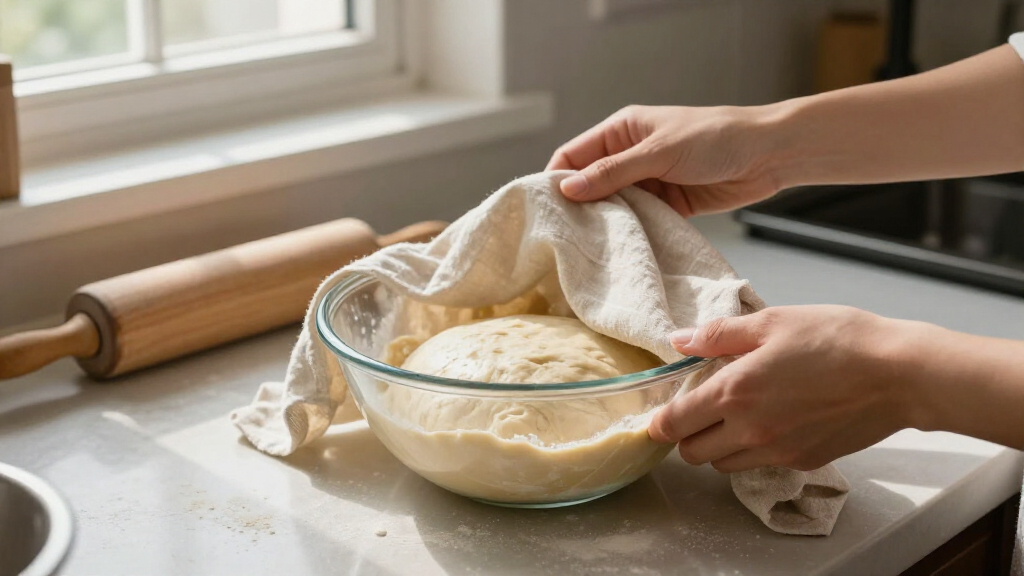
- Let it ferment at room temp, then refrigerate: Allow the dough to rest for 1–2 hours to kickstart fermentation, then cover and place it in the fridge overnight (8–16 hours). This slow process allows enzymes to develop flavors and gluten structure without risking overproofing, which can lead to a dense loaf. The temperature difference between room temp and refrigerated fermentation creates a balance: the initial warm phase encourages yeast activity, while the cold slows it down, resulting in a more complex flavor profile. This balance is crucial because too warm or too cold environments can either accelerate fermentation too much or inhibit yeast activity altogether, affecting flavor and rise.
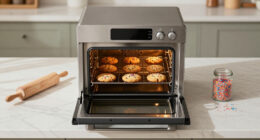
- Bake in the morning: Shape the dough, let it proof briefly at room temp if needed, then bake in a hot oven (around 450°F) with a Dutch oven or baking stone for that perfect crust.
Following these steps turns a simple mix into a loaf bursting with flavor and an open crumb with just a little planning. The slow fermentation enhances the development of flavor compounds and gluten structure, resulting in a more complex, artisanal-quality bread. Understanding the importance of temperature and timing helps you avoid pitfalls like overproofing or underdeveloped flavor, ensuring consistent success.
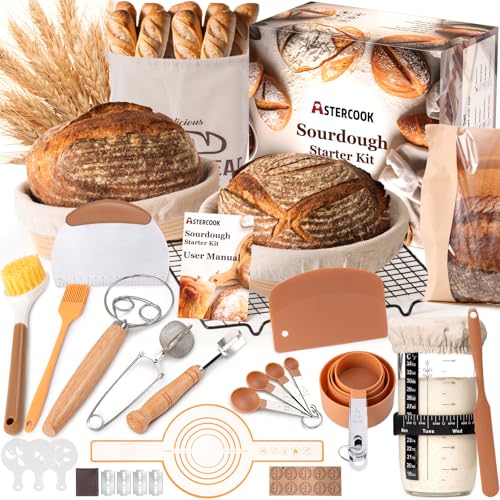
Astercook Sourdough Starter Kit with Round & Oval Banneton Bread Proofing Basket, Starter Jar, Dough Whisk, Scrapers, Stencils, Complete Sourdough Bread Baking Supplies, Fathers Day Gift for Men
- All-in-One Sourdough Kit: Includes baskets, tools, and accessories
- Professional Banneton Baskets: Breathable rattan for even dough rise
- Complete Baking Tools: Whisk, scrapers, lame, and more
As an affiliate, we earn on qualifying purchases.
As an affiliate, we earn on qualifying purchases.
Compare Quick vs. Overnight Fermentation: Which Fits Your Life?
| Feature | Quick Fermentation | Overnight Fermentation |
|---|---|---|
| Time | 1–2 hours | 8–16 hours (overnight) |
| Flavor | Light, mild | Rich, complex, tangy |
| Texture | Chewy, dense | Open crumb, crustier |
| Ease | Fast but less flavor | Requires planning but yields deeper flavor |
If you’re short on time, quick methods work well—they give you bread fast but often at the expense of depth in flavor and texture. Conversely, overnight fermentation demands some planning but rewards you with a loaf that’s more flavorful, with a better crumb and crust. The choice hinges on your priorities: if you seek convenience, quick is fine; if you prioritize flavor and artisanal quality, overnight is worth the wait. Recognizing these differences helps you align your baking approach with your schedule and taste preferences, empowering you to make more intentional and satisfying bread choices.
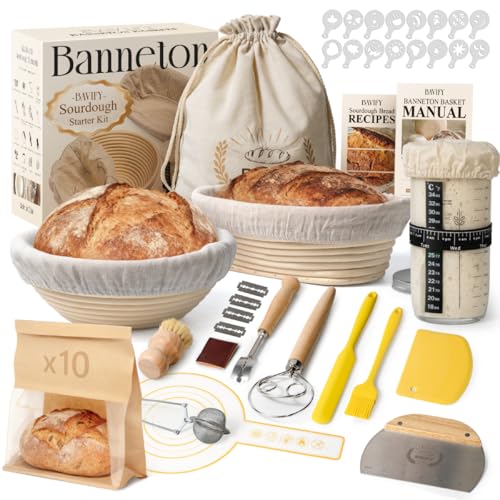
BAVIFY Sourdough Starter Kit, Banneton Bread Proofing Baskets Set
- Complete Sourdough Baking Kit: Includes tools for every baking step
- Premium Natural Rattan Baskets: Made from 100% Indonesian natural rattan
- Chemical-Free and Safe: Free from dyes and chemicals
As an affiliate, we earn on qualifying purchases.
As an affiliate, we earn on qualifying purchases.
Tips to Perfect Your Overnight Bread Every Time
- Use quality flour: Better flour means better gluten development and flavor. Try unbleached bread flour or whole wheat for richness. Higher-quality flours contain more proteins and enzymes, which contribute to a better rise and more complex flavors, especially during long fermentation. Using a good flour also provides a more consistent baseline for fermentation, reducing variability caused by inferior ingredients.
- Control temperature: Keep the dough in the fridge, ideally between 38–42°F, to slow fermentation without risking spoilage. Maintaining a consistent, cool temperature ensures enzymes work slowly and steadily, which is crucial because fluctuations can cause uneven fermentation, off-flavors, or overproofing. Proper temperature control helps develop a balanced flavor profile and a well-structured crumb.
- Watch hydration: Typical hydration is 70–80%. Adjust water content based on flour type; whole grain flours absorb more water, which affects dough handling and final crumb. Proper hydration influences how open or tight the crumb will be, and can impact oven spring. Insufficient hydration can lead to dense bread, while too much can make shaping difficult and weaken gluten structure.
- Don’t overproof: When shaping, the dough should hold its shape but still be slightly springy. Overproofed dough can collapse or become dense because the gluten network weakens, while underproofed dough may be tight and lack oven spring. Recognizing the right proofing stage—via visual cues and gentle poke tests—is essential for achieving the desired airy crumb and crust.
- Practice shaping: A tight, smooth surface on your loaf helps create a crusty crust and even crumb. Proper shaping encourages uniform oven spring and prevents irregular holes or cracks, leading to a more professional-looking loaf. Learning to shape correctly also helps build gluten strength and tension, which are vital for good oven spring and a uniform crumb.
These small tweaks make a big difference in your final loaf’s appearance and flavor, especially as you learn to read your dough’s cues during long fermentation. Consistent practice and attention to detail help develop intuition, leading to more reliable and delicious results over time.

Superbaking Sourdough Banneton Bread Proofing Basket, 9" Round, Set of 2
- Bake Two Loaves Simultaneously: Includes two 9-inch round proofing baskets
- Splinter-Free, Smooth Finish: Made of premium Indonesian Rattan with polished surface
- Includes BakeSide App Access: AI baking assistant for guidance and scheduling
As an affiliate, we earn on qualifying purchases.
As an affiliate, we earn on qualifying purchases.
What to Do If Your Dough Overferments or Underferments
If your dough overferments, it may smell sour or have a wrinkled surface. This indicates that fermentation has gone beyond the optimal point, which can lead to a loaf with a pronounced tang, a denser crumb, and potential gluten weakening. While it can still be baked, the texture and flavor may be less desirable. Overfermentation also risks creating a slack, overly sticky dough that’s difficult to shape properly. To prevent this, monitor your fermentation time carefully, especially in warmer environments where enzymes and yeast work faster. Adjustments like reducing fermentation time or controlling temperature can help maintain the right balance. If your dough smells off or has a very sticky, slack texture, it’s best to start fresh or bake it sooner to preserve quality.
If underfermented, the dough feels tight, lacks bubbles, and may not rise well. This suggests that fermentation hasn’t progressed enough to develop flavor or gluten structure properly. Extending the ferment slightly or giving it more time at room temperature before refrigerating can help develop the necessary flavor and elasticity. Recognizing these signs—such as minimal bubble formation, a tight surface, or a lack of aroma—allows you to make informed adjustments. Understanding these cues, along with environmental factors, helps you fine-tune your process for consistently better bread with the desired flavor and texture.
By paying close attention to these signs and adjusting your timing, you can optimize fermentation for each batch, leading to a more reliable, flavorful loaf every time.
Frequently Asked Questions
Can I bake the dough the next day if I forget in the morning?
Absolutely. You can refrigerate it longer—up to 24 hours—but be mindful that overfermentation can affect texture. When ready, shape and bake as usual, and enjoy the flavor boost from extended fermentation.
Is overnight bread suitable for beginners?
Yes. It’s forgiving and flexible, giving you plenty of time to learn cues like bubbles and puffiness. Starting with simple recipes and gradually experimenting helps build confidence.
What types of flour work best for overnight fermentation?
Most flours work, but whole wheat, rye, and spelt often benefit from longer fermentation due to higher enzyme activity. Adjust hydration and proofing times accordingly for best results.
Do I need special equipment for overnight bread?
Basic tools like a mixing bowl, a proofing basket, and an oven do the job. For a better crust, use a Dutch oven or baking stone. No fancy gadgets required.
How do I tell if my dough is properly fermented?
Look for bubbles, a slight puffiness, and a gentle spring when pressed. The dough should smell mildly sour but not off. These cues indicate readiness for baking.
Conclusion
Mastering overnight bread turns a simple recipe into a sensory-rich experience with minimal daily effort. It’s a practical way to enjoy fresh, flavorful bread every morning—no rush, no fuss.
Next time you mix your dough, remember: patience is your secret ingredient. As the aroma fills your kitchen, you’ll realize that good bread truly does let time do the work while you sleep.
Pool season Picks
robotic pool cleaners
As an affiliate, we earn on qualifying purchases.