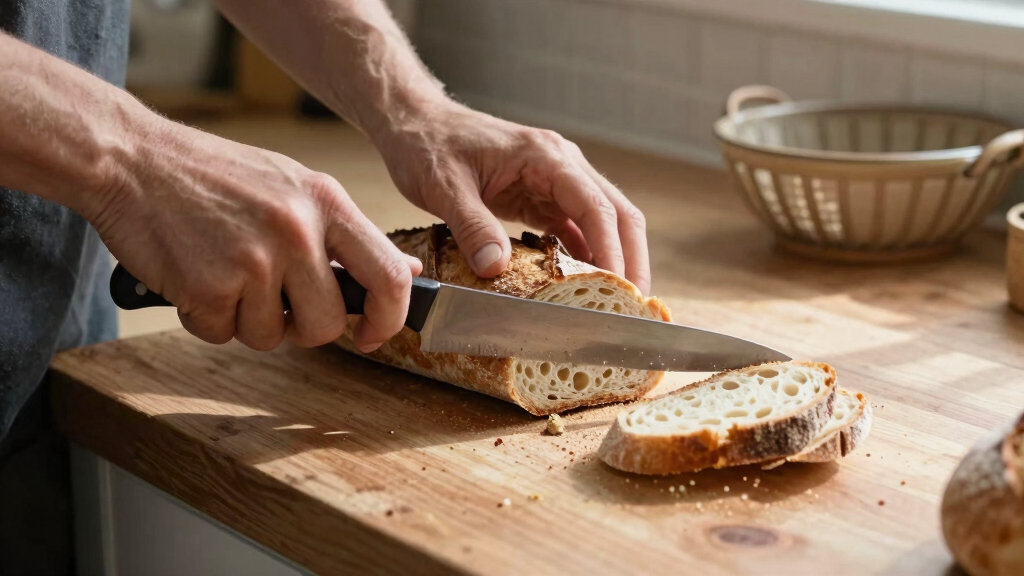

Finding the best store bought bread can feel overwhelming with so many options available. The Pepperidge Farm Swirl Brown Sugar Cinnamon Raisin Bread stands out for its sweet flavor and soft texture, making it a favorite for toast and breakfast. Meanwhile, the C’O Bakery San Francisco Sourdough offers a robust, artisan experience that appeals to bread connoisseurs. The main challenge for buyers is balancing flavor, texture, and price—premium loaves tend to deliver better quality but cost more, while budget options may lack freshness or consistency. Continue reading for a detailed breakdown of these top picks and what makes each one unique.

Get baking supplies delivered free with Prime
- Fast, free delivery on millions of items
- Prime Video, Amazon Music and more included
- Member-only deals all year
Complete the kit


Key Takeaways
- The top-ranked breads balance flavor, texture, and affordability, making them versatile for daily use.
- Artisan and specialty breads like sourdough and pumpernickel often offer richer flavor profiles but come at a premium price.
- Bulk packaging can provide better value but may compromise freshness if not used quickly.
- High-fiber and non-GMO options are increasingly popular among health-conscious buyers, though they may have denser textures.
- Different bread types serve different needs—sweet raisin breads excel for breakfast, while dense rye is better for hearty sandwiches.
| Pepperidge Farm Swirl Brown Sugar Cinnamon Raisin Bread, 16 oz (Pack of 2) |  | Best Overall | Quantity: 2 loaves | Weight: 32 oz | Size per loaf: 16 oz | VIEW ON AMAZON | See Our Full Breakdown |
| Mestemacher Pumpernickel Bread, 17.6 Oz – Authentic German Whole Rye Pumpernickel Bread, Dense European Bread, High Fiber, Non-GMO, Pack of 2 | 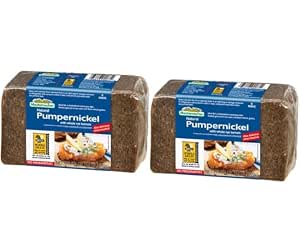 | Best for Authentic European Flavor | Weight: 17.6 Oz | Pack Size: 2 | Type: Whole Rye Pumpernickel | VIEW ON AMAZON | See Our Full Breakdown |
| B&M Brown Raisin Bread, 16 Ounce |  | Best for Traditional Flavor | Weight: 16 Ounce | Fat Content: 99% fat free | Cholesterol: No Cholesterol | VIEW ON AMAZON | See Our Full Breakdown |
| Wonder Bread Family Loaf (Pack of 2) |  | Best for Classic Family Use | Quantity: 2 loaves | Type: White bread | Brand: Wonder Bread | VIEW ON AMAZON | See Our Full Breakdown |
| Nature’s Own Butterbread – Pack of 2 Loaves |  | Best for Versatile Everyday Use | VIEW ON AMAZON | See Our Full Breakdown | |||
| Mestemacher Pumpernickel Bread, 17.6 Oz, Pack of 6 |  | Best Overall for Authentic German Flavor and Versatility | Weight: 17.6 Oz per pack | Quantity: 6 packs | Type: Pumpernickel Bread | VIEW ON AMAZON | See Our Full Breakdown |
| Dimpflmeier Klosterbrot Delicatessen Rye Bread 16 Oz |  | Best for Traditional European Monastery-Style Rye | Weight: 16 oz | Type: Rye Bread | Ingredients: High-quality, non-GMO ingredients, artesian spring water | VIEW ON AMAZON | See Our Full Breakdown |
| Mestemacher Organic Flax Seed Bread, 17.6 oz |  | Best for Nutritious, Organic Whole Grain Nutrition | Weight: 17.6 oz | Organic: Yes | GMO-Free: Yes | VIEW ON AMAZON | See Our Full Breakdown |
| C’O Bakery San Francisco Sourdough Bread – Artisan Handmade Loaves (Pack of 4) |  | Best for Authentic Artisan Sourdough Experience | Number of Loaves: 4 | Weight per Loaf: 20 oz | Ingredients: flour, water, yeast, salt | VIEW ON AMAZON | See Our Full Breakdown |
| store bought bread | Weight |
|---|---|
| Pepperidge Farm Swirl Brown Su | 32 oz |
| Mestemacher Pumpernickel Bread | 17.6 Oz |
| B&M Brown Raisin Bread | 16 Ounce |
| Wonder Bread Family Loaf | — |
| Nature’s Own Butterbread | — |
| Mestemacher Pumpernickel Bread | 17.6 Oz per pack |
| Dimpflmeier Klosterbrot Delica | 16 oz |
| Mestemacher Organic Flax Seed | 17.6 oz |
| C’O Bakery San Francisco Sourd | — |
More Details on Our Top Picks
Pepperidge Farm Swirl Brown Sugar Cinnamon Raisin Bread, 16 oz (Pack of 2)
This bread stands out for its perfect balance of sweetness and texture, making it a versatile choice for breakfast, snacks, or even French toast. The cinnamon swirl and juicy raisins create a flavor profile that appeals to many, especially those who appreciate a touch of indulgence in their bread. Compared with the dense European-style pumpernickel, this option offers a light, soft crumb that appeals to a broad audience. The individually sealed loaves help maintain freshness, but the added sugars and raisins might deter those seeking lower-sugar options. Its pack of two provides good value, especially for families or frequent snackers.
Pros:- Soft, sweet, with appealing cinnamon swirl and raisins
- Individually sealed for freshness and convenience
- Versatile for toast, snacks, or sandwiches
Cons:- Contains added sugars and raisins, not suitable for all diets
- Limited to cinnamon raisin flavor, less variety
Best for: Families seeking a sweet, soft bread for breakfast and snacks that balances flavor and convenience.
Not ideal for: Anyone on a low-sugar or low-calorie diet, as it contains added sugars and dried fruit.
- Quantity:2 loaves
- Weight:32 oz
- Size per loaf:16 oz
Our verdict“This pick suits those who want a sweet, flavorful bread with convenience and good value in a breakfast or snack setting.”
Mestemacher Pumpernickel Bread, 17.6 Oz – Authentic German Whole Rye Pumpernickel Bread, Dense European Bread, High Fiber, Non-GMO, Pack of 2
Compared to the sweeter, softer options like Pepperidge Farm, this pumpernickel offers a dense, hearty texture and rich rye flavor that appeals to those craving traditional European bread. Its high fiber content and non-GMO ingredients make it appealing for health-conscious buyers, especially those who prefer a more substantial, filling bread. However, the dense texture might be off-putting for anyone expecting lighter bread or for those with difficulty chewing dense loaves. The pre-sliced convenience and long shelf life make it practical for meal prep and travel, but refrigeration after opening is necessary.
Pros:- Authentic German recipe with rich, hearty flavor
- High in fiber and made from non-GMO ingredients
- Pre-sliced and shelf-stable for convenience
Cons:- Dense texture may not suit all preferences
- Requires refrigeration after opening, less portable
Best for: Health-conscious consumers or lovers of traditional European bread seeking a hearty, fiber-rich option.
Not ideal for: People preferring soft, airy bread for sandwiches or light toast, as the texture may be too dense and chewy.
- Weight:17.6 Oz
- Pack Size:2
- Type:Whole Rye Pumpernickel
- GMO:Non-GMO
- Shelf Life:Long
Our verdict“Ideal for those wanting a traditional, high-fiber rye bread with an authentic taste, but less suitable for light bread lovers.”
B&M Brown Raisin Bread, 16 Ounce
This bread offers a nostalgic, hearty flavor with its rich molasses sweetness and embedded raisins, making it a staple for those who enjoy a traditional, sweet bread. Its long shelf life of two years adds to its convenience, especially for stocking a pantry. Unlike the lighter, more neutral breads like Wonder or Nature’s Own, this loaf provides a distinctive molasses flavor that pairs well with spreads or can be used in baking recipes. The high sugar content from molasses and raisins, however, might not appeal to those limiting sugar intake. Its traditional baking style also means it’s less versatile for modern dietary preferences.
Pros:- Rich molasses flavor with sweet raisins
- Very long shelf life of two years
- Versatile for spreading or baking
Cons:- High sugar content from molasses and raisins
- Limited flavor variety, mainly sweet
Best for: Fans of classic, sweet, molasses-flavored bread who want a long-lasting, pantry-friendly option.
Not ideal for: Those seeking low-sugar or more neutral-tasting bread for everyday sandwiches or health-focused diets.
- Weight:16 Ounce
- Fat Content:99% fat free
- Cholesterol:No Cholesterol
- Shelf Life:2 years
Our verdict“Best suited for traditional bread lovers who prioritize flavor and shelf stability over low sugar content.”
Wonder Bread Family Loaf (Pack of 2)
This choice embodies the familiar, soft texture of Wonder Bread, making it a staple for families seeking a dependable, easy-to-use white bread. Its calcium content, comparable to an eight-ounce glass of milk per serving, adds a nutritional bonus that appeals to parents. While it lacks detailed ingredient transparency and nutritional information, its broad recognition and soft texture make it suitable for sandwiches, toast, and children’s meals. Compared with more artisanal options, it sacrifices flavor complexity, but wins points for convenience and consistency.
Pros:- Large pack with two loaves for extended use
- Provides calcium comparable to milk per serving
- Familiar, widely recognized brand
Cons:- Limited nutritional details and transparency
- Lacks whole grain or added nutritional benefits
Best for: Families needing a soft, reliable bread for sandwiches and toast, with a nutritional boost for kids.
Not ideal for: Consumers looking for whole grain, artisanal, or low-calorie breads, as this is a simple white loaf with limited nutritional info.
- Quantity:2 loaves
- Type:White bread
- Brand:Wonder Bread
Our verdict“Perfect for families who want a soft, classic white bread with added calcium for everyday sandwiches and toast.”
Nature’s Own Butterbread – Pack of 2 Loaves
This bread provides a soft, flavorful base suitable for a variety of uses, from sandwiches to toast. Its simplicity and convenience make it a go-to for everyday needs, especially for those who prefer a straightforward, familiar bread. Compared to the more bakery-style or specialty breads, Butterbread emphasizes ease and versatility. However, the lack of detailed nutritional or ingredient information means it’s less ideal for those with specific dietary restrictions or seeking health-oriented options. The absence of added features like whole grains or seeds keeps it a basic, no-fuss choice.
Pros:- Soft, flavorful, and versatile for various uses
- Convenient pack of two loaves
- Suitable for sandwiches, toast, and snacks
Cons:- No detailed nutritional or ingredient info provided
- Limited to basic white bread without added nutritional features
Best for: Consumers looking for a soft, flavorful, everyday bread that fits into a busy household routine.
Not ideal for: Health-conscious buyers or those seeking specialty breads with added nutritional benefits or dietary features.
Our verdict“Ideal for those needing an easy, reliable bread for everyday meals without dietary complexities.”
Mestemacher Pumpernickel Bread, 17.6 Oz, Pack of 6
This traditional German pumpernickel stands out for its rich, authentic flavor and dense texture, making it a favorite for those craving genuine European bread. Compared to the Dimpflmeier Klosterbrot, it offers a milder tang while maintaining a high fiber content, but its density may not suit all palates. Its long shelf life and non-GMO ingredients make it a practical choice for stocking up. The pre-sliced convenience is a plus, though it can dry out faster than softer options like Wonder Bread if not stored properly. Overall, this bread offers a versatile base for sandwiches or snacks, especially for those who appreciate authentic flavor without fuss.
Pros:- Authentic German recipe with rich flavor
- High in fiber and non-GMO ingredients
- Ready to eat and versatile for various toppings
- Long shelf life suitable for storage
Cons:- Dense texture may not appeal to everyone
- Pre-sliced bread can dry out over time
Best for: Consumers seeking authentic German-style pumpernickel with high fiber and long shelf stability
Not ideal for: Those who prefer lighter, less dense bread or softer textures for everyday eating
- Weight:17.6 Oz per pack
- Quantity:6 packs
- Type:Pumpernickel Bread
- Ingredients:Whole rye, non-GMO
- Shelf Life:Long shelf life
Our verdict“This bread is ideal for those wanting a hearty, authentic German pumpernickel with lasting freshness.”
Dimpflmeier Klosterbrot Delicatessen Rye Bread 16 Oz
This monastery-style rye bread offers a distinctly European tang with a dense, hearty texture reminiscent of authentic German bakeries. Unlike the Mestemacher Pumpernickel, which is milder, it provides a more pronounced sour note that pairs beautifully with charcuterie or cheeses. Its natural ingredients and absence of fats or sugars make it a healthy choice, but the need to freeze for extended storage can be inconvenient for some. The pre-sliced convenience helps, yet the dense texture might be too heavy for lighter bread lovers. If you value traditional European flavors and a preservable loaf, this bread hits the mark.
Pros:- Authentic European monastery-style flavor
- No added fats or sugars, healthy ingredients
- Pre-sliced for convenience
- Freezer-friendly and long-lasting freshness
Cons:- Limited flavor variety
- Requires freezing for extended storage
Best for: Fans of classic European rye, particularly for sandwiches or charcuterie boards
Not ideal for: Buyers preferring soft, airy bread for quick snacks or breakfast toast
- Weight:16 oz
- Type:Rye Bread
- Ingredients:High-quality, non-GMO ingredients, artesian spring water
- Preservation:Freezer-friendly, stays fresh for up to 6 months
- Origin:Toronto, Canada with German roots
Our verdict“This traditional rye bread is perfect for those seeking a rich, authentic European experience, willing to handle freezing storage.”
Mestemacher Organic Flax Seed Bread, 17.6 oz
This organic flax seed bread emphasizes health with its rich nutty flavor and hearty texture, making it a top pick for health-conscious buyers. Compared with the Mestemacher Pumpernickel, it offers added omega-3s and organic certification, but its density might be off-putting for those who prefer lighter bread. Its long shelf life and ready-to-eat convenience make it a practical addition to a nutritious diet. The strong flavor can be a plus or a drawback depending on taste preferences, especially if subtle flavors are preferred. Overall, this bread is ideal for those prioritizing organic ingredients and high nutritional value.
Pros:- Made with organic ingredients and non-GMO
- High in fiber and omega-3s for healthy nutrition
- Long shelf life and ready to eat
- Rich, nutty flavor adds variety
Cons:- Dense texture may not appeal to all
- Flavor may be too strong for some tastes
Best for: Health-conscious consumers seeking organic, omega-3 rich bread for daily use
Not ideal for: People who dislike dense textures or strong nutty flavors in bread
- Weight:17.6 oz
- Organic:Yes
- GMO-Free:Yes
- Flavor:Nutty
- Texture:Hearty, dense
- Made in:Germany
Our verdict“This organic flax seed bread suits those wanting a nutrient-dense, health-oriented loaf with robust flavor.”
C’O Bakery San Francisco Sourdough Bread – Artisan Handmade Loaves (Pack of 4)
This pack of four sourdough loaves exemplifies traditional craftsmanship, with slow fermentation creating a tangy flavor and chewy texture. Compared with the dense Mestemacher Pumpernickel or the hearty Mestemacher Organic Flax Seed Bread, it offers a lighter, more approachable option with a crusty exterior and soft interior. Its simple ingredients and artisan process make it a favorite for those who value natural, additive-free bread. However, the need for refrigeration or proper storage might be inconvenient, and the higher price point reflects its artisanal quality. For bread lovers seeking an authentic, handcrafted sourdough, this is an excellent choice.
Pros:- Authentic artisan sourdough flavor
- Made with simple, natural ingredients
- Crusty outside with a soft, tender interior
- Versatile for many uses, including sandwiches and toasts
Cons:- Requires refrigeration or proper storage
- More expensive than mass-market breads
Best for: Bread enthusiasts wanting authentic, handcrafted sourdough for everyday meals or special occasions
Not ideal for: Those seeking budget-friendly or mass-produced bread options for quick consumption
- Number of Loaves:4
- Weight per Loaf:20 oz
- Ingredients:flour, water, yeast, salt
- Baking Method:handcrafted, slow fermentation
Our verdict“This handcrafted sourdough loaf is perfect for those prioritizing authentic flavor and artisanal quality over convenience and price.”

How We Picked
Our evaluation focused on a combination of flavor, texture, ingredient quality, value, and versatility. We prioritized breads that are widely available in stores and appeal to a broad range of tastes, from sweet to savory. Each product was ranked based on its overall balance of quality and price, with extra consideration for unique qualities like organic ingredients or artisan craftsmanship. We also considered consumer reviews and consistency, ensuring our selections represent dependable options for everyday use and special occasions alike.Factors to Consider When Choosing 9 Best Store Bought Breads
Choosing the right store bought bread depends on your personal preferences and dietary needs. Consider the bread’s flavor profile, texture, and ingredients, but also think about how you plan to use it—whether for sandwiches, toast, or snacking. Price and packaging size are practical factors that influence value, especially if you buy in bulk. Understanding these key considerations can help you avoid common pitfalls like sacrificing freshness or opting for overly processed options. Here are some factors to keep in mind:Flavor Profile and Sweetness
Some breads are designed for sweetness, like raisin or cinnamon swirls, which are perfect for breakfast or snacking. Others, like rye or sourdough, offer more complex, tangy flavors suited for savory sandwiches. Decide what flavor complements your diet and taste preferences best. Remember, sweeter breads often contain added sugars, which might be a concern for some health-conscious buyers.
Texture and Crust
The texture varies widely—from soft, pillowy loaves to dense, chewy breads. If you prefer light toast or sandwiches with a tender bite, look for softer options like Wonder Bread or Nature’s Own. For those craving a substantial, crusty bite, sourdough or European-style pumpernickel might be better. Keep in mind that texture influences how the bread holds up to toppings and slicing.
Ingredient Quality and Dietary Preferences
Organic, non-GMO, or high-fiber ingredients are increasingly popular and can impact your health and taste experience. If you have dietary restrictions or prefer cleaner labels, focus on breads that specify these qualities. However, these often come at a higher price, and some dense, fiber-rich options may be less airy and more filling.
Price and Packaging
Buying in larger packs can offer savings but may reduce freshness if not consumed quickly. Conversely, smaller packages are ideal for immediate use but tend to cost more per loaf. Balance your consumption habits with your budget to find the best value. Also, consider whether the bread’s size matches your household’s needs to avoid waste.
Versatility and Use Cases
Some breads excel in multiple roles—toast, sandwiches, or even bread pudding—while others are more specialized. Think about your primary use; for instance, sourdough is great for gourmet sandwiches and toast, but might not be ideal for quick snacks. Choosing a versatile bread can maximize your purchase’s value.
Freshness and Shelf Life
Store-bought bread often has preservatives that extend shelf life, but this can impact flavor and texture. Check expiration dates and consider whether you prefer fresh, minimally processed bread or longer-lasting options. Freezing is a good strategy to preserve quality if you buy in bulk.
Frequently Asked Questions
How do I tell if store bought bread is fresh?
Freshness can often be determined by the texture and smell. Fresh bread should feel soft and springy when gently pressed, and it should have a pleasant, yeasty aroma. Check the packaging for a recent expiration date—preferably within a week of purchase. If the bread feels hard or dry, or if it has an off smell, it’s best to choose a fresher option or consider freezing what you won’t eat immediately.
Are organic breads worth the extra cost?
Organic breads typically contain fewer pesticides and synthetic additives, which can be appealing for health-conscious consumers. They often use higher-quality ingredients and may have better flavor and texture. However, they tend to cost more, so consider your priorities—if you value cleaner labels and sustainable farming, investing in organic bread can be worthwhile. For everyday use, some find conventional options sufficiently satisfying at a lower price.
Can I freeze store bought bread without losing quality?
Yes, freezing is a practical way to extend bread’s shelf life without significantly impacting quality. Wrap the loaf tightly in plastic wrap or aluminum foil, then place it in a resealable freezer bag to prevent freezer burn. When ready to eat, thaw at room temperature or toast directly from frozen. Keep in mind that repeated freezing and thawing can slightly alter texture, so only freeze what you plan to consume within a few weeks.
What bread types are best for sandwiches?
For sandwiches, the best breads are those with sturdy yet tender textures, such as whole wheat, multigrain, or sourdough. These varieties hold up well to fillings without becoming soggy and add flavor complexity. Avoid very soft or overly dense options unless you prefer a specific texture. The choice also depends on the filling—lighter breads work well for delicate ingredients, while heartier loaves suit more substantial sandwiches.
Is it better to buy bread in bulk or single packs?
Buying in bulk can save money, especially if you have a busy household, but it requires good storage practices to maintain freshness. Single packs are more convenient for immediate consumption and reduce waste, but often come at a higher cost per loaf. If you buy in bulk, consider freezing extras to preserve quality, and ensure that the bread is still fresh when you open the package for the first time.
Conclusion
For everyday convenience and wide appeal, the Wonder Bread Family Loaf offers soft texture and affordability, making it ideal for most households. Those seeking a balance between flavor and value might prefer the Nature’s Own Butterbread, which provides good quality at a reasonable price. If you’re willing to invest in premium, artisanal options, the C’O Bakery San Francisco Sourdough stands out for its complex flavor and crust. Beginners or those with specific dietary needs should consider familiar, straightforward options like Wonder or Nature’s Own, while bread connoisseurs will appreciate specialty loaves like pumpernickel or organic flax seed bread. Ultimately, your choice depends on your taste preferences, budget, and how you plan to use the bread.