TL;DR
Getting even cake layers starts with accurate batter measurement, proper pan prep, and consistent baking. Using the right tools and techniques ensures your layers are flat, uniform, and beautiful, every single time.
Imagine slicing into a cake and seeing perfectly flat, even layers. No domes, no uneven heights—just smooth, symmetrical slices that make your cake look as good as it tastes. That’s not luck; it’s technique. Whether you’re baking a birthday cake or a delicate layered torte, the secret lies in consistent, precise steps that anyone can master.
In this guide, you’ll learn the key tricks and tools that turn a simple batter into layers that stack up evenly. No fancy gadgets or complicated recipes needed—just straightforward methods that give you bakery-quality results at home.
Weigh your batter for consistent, even layers every time.
Proper pan prep prevents sticking and uneven rising.
Smooth and level your batter after pouring to avoid domes.
Use a reliable oven thermometer and rotate pans for even baking.
Trim and chill baked layers for the flattest, most even finish.
How to Measure Batter for Perfectly Equal Layers
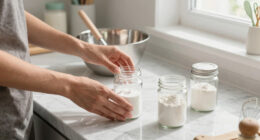
Getting the same amount of batter in each pan is the first step to even layers. A digital kitchen scale is your best friend here. Weighing batter ensures each layer is exactly the same weight—say, 150 grams per pan for a standard 8-inch cake. This simple step cuts down on guesswork and unevenness.
For example, if you’re making a three-layer vanilla cake, weigh out 150 grams of batter for each pan. Use a scoop or ladle to transfer batter, then check the weight. It’s quick, precise, and guarantees consistency.
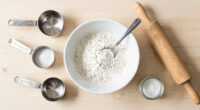
If you don’t have a scale, measure with the same-sized cups or spoons. Just remember: consistency in measurement means consistent layers.
Why does this matter? When each layer has the same batter weight, they tend to bake more evenly, reducing the risk of domes or uneven heights. This method minimizes guesswork and creates a solid foundation for a professional-looking cake, especially important for layered designs or stacked tiers where unevenness can compromise stability and aesthetics.
In addition, precise measurement helps manage batter quantities in recipes with multiple layers, ensuring that each layer contributes equally to the final structure. This consistency is especially crucial when decorating or stacking, as uneven layers can lead to tilting, cracking, or an unprofessional appearance. Understanding the importance of accurate measurement emphasizes the value of simple tools like a digital scale, which can dramatically improve your baking results over guesswork or approximation.

Etekcity Food Kitchen Scale, Digital Grams and Ounces for Weight Loss, Baking, Cooking, Keto and Meal Prep, LCD Display, Medium, 304 Stainless Steel
𝗘𝗳𝗳𝗼𝗿𝘁𝗹𝗲𝘀𝘀 𝗪𝗲𝗶𝗴𝗵𝗶𝗻𝗴: Supports 5 units (oz/lb:oz/fl'oz/g/mL), tare function, and includes 2 AAA batteries for hassle-free operation
As an affiliate, we earn on qualifying purchases.
As an affiliate, we earn on qualifying purchases.
Prep Your Pans Like a Pro for Flawless Layers
Proper pan prep is the secret to avoiding sticking and uneven rising. Use the same size, quality pans—preferably metal, with flat bottoms. Grease each pan thoroughly, then dust with flour or cocoa powder for chocolate cakes. For a cleaner finish, line the bottom with parchment paper.
For example, a baker might use butter and a light dusting of flour on a 9-inch round pan, ensuring the batter releases easily and rises evenly. This simple step prevents sticking and helps the layers stay flat.
A trick: flip the pans over and tap out excess flour before pouring batter. It’s a small step that makes a big difference.
Why is this important? Proper pan preparation creates a non-stick surface that allows the cake to rise uniformly without tearing or collapsing. It also helps maintain the shape, which is crucial for stacking and decorating. Skipping this step might save time but can lead to uneven, misshapen layers that ruin the final appearance and structure of your cake.
Beyond preventing sticking, well-prepared pans contribute to more predictable baking outcomes. When the sides of the pan are non-stick, the batter can rise freely and evenly, resulting in flatter, more uniform layers. This reduces the need for trimming or reshaping, saving time and ensuring a cleaner finish. Additionally, consistent pan preparation helps in achieving symmetrical layers, which is especially important for multi-tiered cakes where uneven layers can cause imbalance or structural issues. Investing a few extra minutes in pan prep is a small tradeoff for significantly improved consistency and professional appearance.

Stainless Steel Cake Baking Tools – Cake Lifter Shovel & Tray for Baking Pizza, Bread, Pie
EASY TO USE: This cake pizza lifter can lift whole cakes, cake layers, cookies, even pizza from the…
As an affiliate, we earn on qualifying purchases.
As an affiliate, we earn on qualifying purchases.
The Art of Pouring and Smoothing Batter
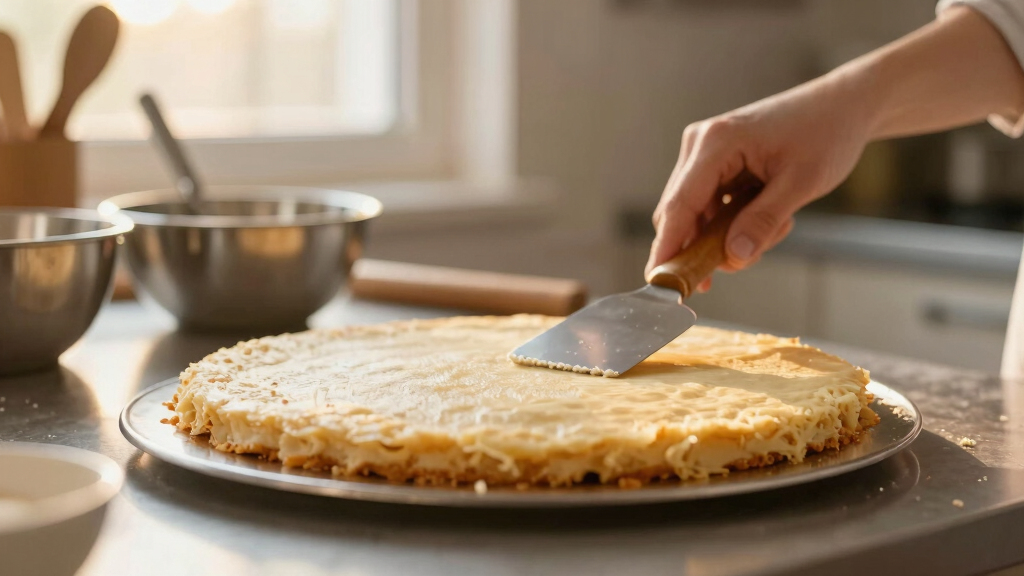
Once your batter is measured and your pans are prepped, it’s time to pour. Use a ladle or scoop to distribute batter evenly. After pouring, gently tap the pans on the counter to settle the batter and release air bubbles. Then, use an offset spatula or the back of a spoon to smooth the surface.
This step ensures the batter spreads evenly and prevents domes from forming. Imagine gently shaking a jar of jelly until it’s level—that’s what you’re doing here.
A quick tip: if you notice a slight dip or bump, use the spatula to adjust before baking. Small tweaks lead to big visual rewards.
Why does this matter? Even distribution and smoothing prevent uneven rising and domes, which can cause stacking issues and uneven slices. Properly leveled batter promotes consistent baking, leading to flatter, more professional-looking layers. It also reduces the need for trimming after baking, saving time and effort while enhancing the cake’s visual appeal and structural integrity.
Furthermore, taking the time to level the batter minimizes the risk of creating uneven layers that can topple or crack during stacking. When batter is evenly distributed and smoothed, heat circulation during baking is more uniform, which contributes to a more consistent rise and flat top. This attention to detail results in layers that are easier to stack and decorate, ultimately elevating the final presentation of your cake.
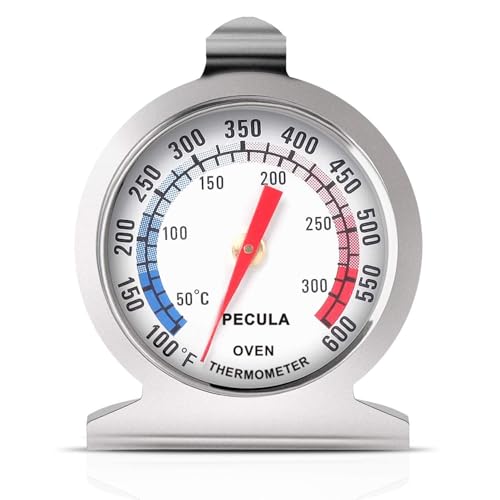
Stainless Steel Oven Thermometer 50-300°C/100-600°F, Analog Instant Read, Battery-Free Kitchen Cooking Thermometer, Hook & Stand Design Food Thermometer for Oven, Grill, Smoker, Fryer
Clear Dial Display: PECULA's analog oven thermometer delivers precise, instant readings from 50–300°C / 100–600°F. Its dial features…
As an affiliate, we earn on qualifying purchases.
As an affiliate, we earn on qualifying purchases.
Why Oven Temperature Matters More Than You Think
Oven temperature controls how evenly your cake rises and sets. An oven thermometer is a must-have. Many home ovens run hotter or cooler than the dial says, causing uneven rising or doming.
For example, set your oven to 350°F (177°C), but check with a thermometer. If your oven runs hot, the outside might overbake while the inside remains undercooked, leading to uneven layers.
Stick to this: preheat fully before baking, and rotate your pans halfway through if your oven has hot spots. It’s about consistent heat, not just setting the dial.
Why does this matter? Uneven oven temperatures can cause layers to rise inconsistently—some parts doming or cracking—making it difficult to achieve flat, even layers. Using a thermometer and rotating pans ensures the heat distribution is uniform, resulting in more predictable, level baking outcomes, which is essential for professional-looking cakes.
Additionally, understanding oven behavior helps in troubleshooting common issues like cracked tops or uneven crumb. Recognizing that oven hot spots or temperature fluctuations can impact the final appearance encourages bakers to invest in reliable tools like an oven thermometer and to adopt practices such as rotating pans. These small but impactful steps contribute to more precise baking, reducing the need for trimming or patching layers after baking and ensuring your cake looks as perfect as it tastes.

YAMHOHO Adjustable Cake LevCake Cutter Slicer Leveler, 9 Different Height Premium Food Grade Stainless Steel Double Wires Cake Cutter/Slicer/Adjustable Cake Leveler for Leveling and Molding (black)
READY, SET, BAKE: This Wilton adjustable cake leveler is the quick and easy way to create even cake…
As an affiliate, we earn on qualifying purchases.
As an affiliate, we earn on qualifying purchases.
Frequently Asked Questions
How can I make sure my cake layers come out even every time?
Use a digital scale to weigh batter portions and prepare your pans consistently. Level the batter by tapping or smoothing before baking, and always check your oven temperature with a thermometer. These small steps ensure uniform, flat layers.Why do my cake layers dome or rise unevenly?
Doming often results from overmixing batter, uneven heat, or inconsistent distribution. Using the correct oven temperature, not overmixing, and pouring batter carefully prevents this. Additionally, small adjustments like trimming domed layers after baking help achieve a flat, professional finish. Recognizing these factors allows you to troubleshoot and refine your process, leading to more reliable, flatter layers that look as good as they taste.What’s the best tool for leveling my cake layers?
A cake leveler with adjustable height is ideal. It allows you to cut layers evenly, especially if they have domed. A serrated bread knife can work too, but requires a steady hand and some practice.How do I prevent my cake from sticking to the pan?
Grease the pan thoroughly with butter or non-stick spray, dust with flour or cocoa powder, or line with parchment paper. Proper preparation makes the layers easier to release and keeps them flat.Can I fix uneven layers after baking?
Absolutely. Use a serrated knife or cake leveler to trim any domed or uneven parts. Chilling the layers first makes trimming easier and cleaner. It’s a simple fix that makes your final cake look professional.Conclusion
Perfect cake layers aren’t a mystery. They come down to simple steps—measure precisely, prepare your pans well, and control your oven’s heat. A little patience and the right tools turn a good cake into a stunning one.
Next time you bake, remember: even layers are just a few tweaks away. Visualize that perfectly flat, elegant slice—and then make it happen, one step at a time.