TL;DR

Get baking supplies delivered free with Prime
- Fast, free delivery on millions of items
- Prime Video, Amazon Music and more included
- Member-only deals all year
A trifle is a layered dessert, often made with cake, fruit, custard, and whipped cream. For clean-looking layers, use a clear bowl, drain juicy fruit, add and smooth each component carefully, and wipe the glass as you work. Chill the assembled dessert, keep it refrigerated, and add delicate garnishes close to serving time.
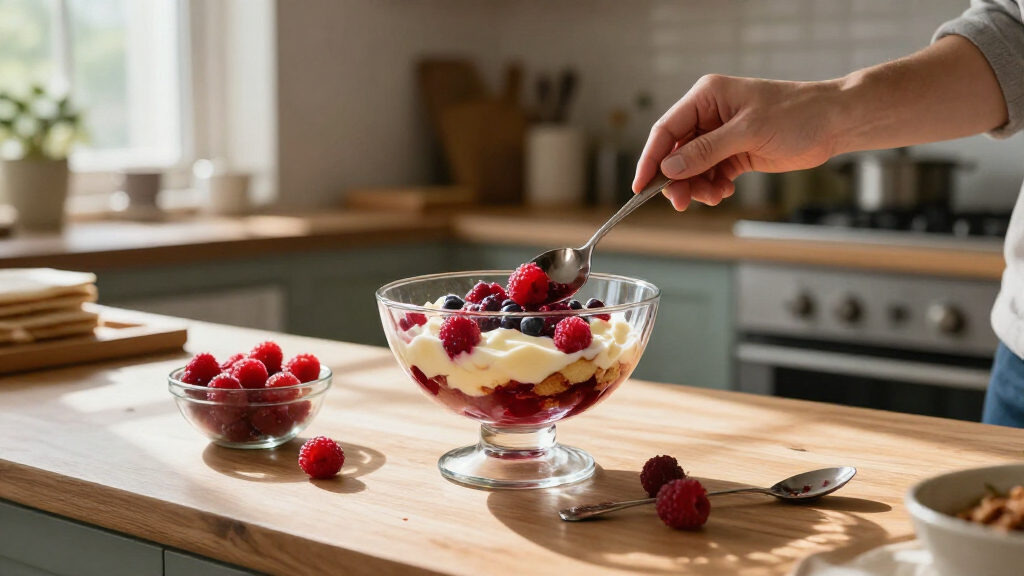
The first spoonful of trifle should show off the dessert: a stripe of golden cake, a bright band of berries, pale custard, and a soft cap of cream. Yet one careless pour of fruit juice can turn those crisp lines into a rosy blur. A good-looking trifle depends less on fancy equipment than on the order and moisture of its layers.
A trifle is a layered dessert, often made with cake, fruit, custard, and whipped cream. Its appeal comes from the contrast of textures and flavors as well as its appearance: tender cake, cool cream, and fruit that brings a little tartness to each spoonful. Recipes differ by family and region, so you can adapt the layers to the cake and fruit you have.
This guide shows you how to choose a bowl and ingredients, assemble distinct layers, keep the cake from becoming soggy, and finish the top without crowding it. You’ll also find practical chilling, make-ahead, and food-safety guidance, plus easy ways to adapt the dessert for guests who avoid dairy, gluten, or alcohol.
Use a clear, stable bowl or individual glasses so guests can see the layers and serving stays manageable.
Drain fresh, canned, or thawed fruit and use cake soak sparingly to help prevent soggy layers.
Cool cooked custard before assembly, spread each layer gently, and wipe smears from the glass as you work.
Chill the covered trifle in the refrigerator; add delicate fruit, piped cream, or crisp toppings near serving.
Choose garnishes that match the flavors inside, and label common allergens or alcohol when serving guests.
A layered dessert, made beautifully
How to Make a Trifle That Looks as Good as It Tastes
A stripe of golden cake, bright berries, pale custard, and soft cream makes a memorable first spoonful. Keep those colors distinct with a clear bowl, well-drained fruit, gentle layering, and a little care around moisture.
01 / Set the scene
Choose a bowl and layers that make serving easy
Trifle recipes differ by family and region. Pick ingredients for their flavor and texture, then let the glass show them off.
Let the stripes shine
A straight-sided glass bowl makes the layers visible. Individual glasses or jars are handy for parties and simpler to portion.
Choose a sturdy base
Sponge, ladyfingers, pound cake, or plain leftover cake can all work. Choose a cake that holds its shape and suits the other flavors.
Give richness a lift
Pair creamy custard and whipped cream with fresh, tart fruit. Raspberries or citrus can balance sweet cake and keep each bite lively.
02 / The assembly flow
Build clean stripes, one careful layer at a time
Cool the custard first. Add each component deliberately, smoothing softly toward the glass without pressing the layers together.
Cool and drain
Cool cooked custard fully. Cut cake into bite-size pieces and drain fresh, canned, or thawed fruit that has released liquid.
Arrange the cake
Fit pieces snugly, with smaller pieces along the edge for an even-looking band. Avoid packing them tightly against the glass.
Add fruit, then custard
Spoon fruit into the center and ease some toward the sides. Spread cooled custard gently so the colors stay distinct.
Repeat and smooth
Repeat if the bowl allows, top with cream, and wipe smudges from the glass. Chill before adding delicate finishing touches.
03 / Moisture control
Keep cake tender, not soggy
Juice can seep through every layer while the dessert rests. Drain fruit well, use syrup or liqueur sparingly, and add quick-absorbing cake close to assembly.
A simple sequence for cleaner layers · not a measured scale
04 / Make it your own
Balance flavor, texture, and the final flourish
There is no single required recipe. Keep the combination delicious first, then use contrast and a restrained finish to make it shine.
Build a fresh contrast
Try citrus with vanilla sponge, raspberries with chocolate, or lemon over ripe peaches and pound cake. A tart note helps balance rich cream and sweet cake.
Finish with a light touch
Arrange fruit neatly, add grated chocolate or toasted nuts, or pipe cream just before serving. A few well-chosen details look more polished than a crowded top.
05 / Chill · serve · adapt
Make ahead with care, then serve every layer
Chilling helps the layers settle and the flavors meld. Keep the trifle refrigerated, follow your recipe’s storage guidance, and use a large spoon at the table.
Quick reference / takeaways
Five habits for a trifle worth showing off
- 01Use a clear, stable bowl or individual glasses so the layers show and serving stays manageable.
- 02Drain fresh, canned, or thawed fruit; keep syrup and any cake soak light.
- 03Cool custard, spread each component gently, and wipe the glass as you build.
- 04Chill the covered dessert in the refrigerator and add delicate toppings near serving time.
- 05Choose garnishes that echo the flavors inside. Label common allergens and alcohol for guests.
- AdaptPlant-based cream or custard, gluten-free cake, seasonal fruit, or an alcohol-free soak can suit more guests.
Choose a bowl and layers that make serving easier
A trifle looks its best when you choose a clear, straight-sided bowl and layers that fit its shape. A glass trifle bowl lets guests see the colors from the side, while individual glasses or jars make portions easier to serve. Choose a vessel based on the occasion and the amount of dessert you plan to make.
A classic version is often made with cake, fruit, custard, and whipped cream, but there is no required recipe. Sponge cake and ladyfingers soak up some moisture while holding their shape; pound cake is sturdier and richer. If you have leftover plain cake, cut it into even pieces and use it as a practical base. For example, a family gathering might call for a large bowl of sponge cake, strawberries, custard, and cream, while a smaller dinner party may suit four jars with pound cake and sliced peaches.
Think about color and texture together. Red berries stand out against pale custard, and a thin layer of chocolate cake can make cream look especially bright. But flavor comes first: a combination can be beautiful and still taste flat if every layer is sweet. Pair creamy components with tart fruit, such as raspberries or citrus, to give each spoonful a little lift.
Before you start, set the bowl on a stable surface and check that your cake pieces can fit through its opening. Have a spoon or small spatula ready for spreading custard. A bowl with a narrow neck may look elegant, but it can make neat assembly and serving harder. A wide glass bowl or short tumblers usually give you more room to place the layers evenly.
Products Worth Considering

Instant Pot Duo 6-Quart 7-in-1 Electric Pressure Cooker, Stainless Steel

Ninja Flip Toaster Oven and Air Fryer, 8-in-1, Stainless Steel, SP151

Cuisinart 8-in-1 Air Fryer Toaster Oven with Grill, 1800W, Stainless Steel
As an affiliate, we earn on qualifying purchases.
Build clean stripes with this simple assembly order
To make a trifle with clear, even stripes, add cake, drained fruit, cooled custard, and cream in thin, deliberate layers. The exact order can vary with your recipe, but placing juicy ingredients carefully and spreading each layer gently helps the glass look tidy. A large bowl often needs several repetitions; small glasses may need only one or two.
- Prepare the components. Cool cooked custard fully, cut cake into bite-size pieces, and drain fruit that has released liquid.
- Add the cake layer. Arrange pieces snugly without packing them hard against the glass. Use smaller pieces around the edge so the layer looks even.
- Add fruit and custard. Spoon fruit into the center, then ease a little toward the sides. Spread cooled custard over it without pressing so firmly that the colors smear.
- Repeat, then top with cream. Smooth the final cream layer and wipe any smudges from the glass before chilling.
For a real-world example, if you’re assembling a berry trifle in a tall bowl, line the outer edge with halved strawberries so the cut sides face the glass. Fill the center with smaller berry pieces. That simple placement makes the fruit band look continuous without requiring perfect fruit slices.
Keep the glass clean as you build: use a damp paper towel or clean cloth to wipe smears before they dry. Press each soft layer lightly toward the sides with the back of a spoon, but don’t mash the cake. If you’re using a piping bag for cream, wait until the trifle has chilled and pipe the top near serving time for a neater finish.
Keep cake tender without letting it turn soggy
To keep trifle cake from turning soggy, control excess liquid: drain fruit, use syrup or liqueur sparingly, and choose a cake that can stand up to custard. Cake should become tender as it rests, but it shouldn’t collapse into a wet paste. The right balance depends on how moist your fruit, cake, and custard already are.
Fresh berries and soft fruits can release juice while the dessert chills. Thawed frozen berries do the same, so let them drain in a sieve before layering. If your recipe includes canned fruit, drain it well too. For instance, a bowl of peaches may look dry at first, then leave a puddle after five minutes in the sieve; pouring that liquid into the trifle can wash the edges of the cake and blur the custard.
Use a moisture barrier when it suits the ingredients. A thin layer of custard or cream over cake can slow direct contact with juicy fruit. This is especially useful with berries or syrupy canned fruit. If your cake absorbs liquid quickly, add it shortly before assembly rather than leaving it cut and exposed for hours. You can also use fewer fruit juices or brush the cake lightly instead of soaking it.
Alcohol is optional. A small amount of sherry or liqueur may suit some flavor combinations, but it adds liquid and isn’t right for every table. Offer an alcohol-free version with fruit juice, a little syrup, or no added soak. If you do include alcohol, label the dessert clearly and serve it to adults only, with responsible drinking in mind.
A trifle is forgiving, but liquid is not invisible: too much moisture can seep through every layer as the bowl rests. If a spoonful of juice pools at the bottom before assembly, leave it behind. Your dessert will still taste fruity, and the layers will stay easier to see.
Balance creamy layers with fruit that tastes fresh
A balanced trifle pairs soft, creamy layers with fruit that brings freshness or tartness. Custard and whipped cream can be rich, so choose fruit that cuts through that richness instead of adding sweetness at every turn. The best pairing depends on your cake: citrus brightens vanilla sponge, while cherries or raspberries can balance chocolate.
Imagine a summer trifle made with sweet pound cake, ripe peaches, and vanilla custard. A squeeze of lemon over the peaches can sharpen their flavor, while plain whipped cream keeps the dessert from becoming cloying. In winter, orange segments and chocolate cake create a different kind of contrast: soft and rich, with a fresh citrus note.
Pay attention to texture as well as flavor. A trifle should offer a mixture of soft cake, smooth custard, tender fruit, and airy cream. If every ingredient is soft, a small handful of toasted nuts or a crisp chocolate shard on top can add crunch. Check for allergies before adding nuts, and label them clearly when serving a group. Common allergens in trifle can include milk, wheat, eggs, and nuts, depending on the ingredients and recipe.
For guests with dietary needs, select substitutions that work across the whole dessert. A plant-based custard and cream can suit dairy-free guests, while gluten-free cake can make the base suitable for some people who avoid gluten. Reduced-sugar ingredients may also fit a preference, though their taste and texture can differ from the original. Check package labels for allergens and preparation notes rather than assuming a product is suitable based on its name.
Sample a little of each component before you assemble. If the custard is quite sweet and the berries taste mild, add a tart fruit layer or leave off extra syrup. That small check helps the finished dessert taste as lively as it looks.
Chill the trifle at the right time for serving
Chill an assembled trifle so its layers settle and the flavors mingle, then add fragile toppings close to serving. Custard should be cool before it goes into the bowl, and the finished dessert belongs in the refrigerator. Chilling time depends on your recipe and ingredients; follow the recipe’s instructions when they are available.
For example, if guests arrive at 6 p.m., you can prepare cake and fruit earlier, cook the custard with enough time to cool, and assemble the bowl in the afternoon. Keep it covered in the refrigerator until dessert. Add sliced strawberries, piped cream, or crisp chocolate curls nearer to serving if you want them to look fresh and hold their shape.
Food safety matters with dairy and custard. Keep the trifle refrigerated at 40°F (4°C) or below, and don’t leave it sitting at room temperature for more than two hours—or more than one hour when the temperature is above 90°F (32°C). When serving outdoors on a warm day, put out a smaller portion and return the rest to the refrigerator promptly.
Trifle can often be prepared the day before, but storage changes texture. Cake continues to soften, and juicy fruit may bleed into neighboring layers. If you need a head start, prepare components separately and assemble closer to serving, especially when using soft berries or a cake that absorbs liquid quickly. Store leftovers covered in the refrigerator and use them while the fruit and cake still have a pleasant texture; check your recipe’s guidance and discard anything left out too long.
Serve with a large spoon that reaches the bottom of the bowl. A good scoop should include cake, fruit, custard, and cream, so every guest gets the full combination rather than just the topping.
Finish the top with a garnish that earns its place
A polished trifle top uses one or two garnishes that echo the flavors inside. Fresh fruit, grated chocolate, toasted nuts, or piped cream can each work well, but piling on every option makes the surface look busy and can hide the layers. Choose a finish that adds color, texture, or a fresh aroma.
If your trifle has strawberries and vanilla custard, arrange a few clean strawberry halves in a ring and leave some cream visible. For chocolate and cherry, grate a little dark chocolate over the top and add a handful of cherries in the center. A citrus trifle may need only fine strips of zest. These small choices feel intentional, much like setting a table with one bright centerpiece instead of filling every inch.
Add delicate decorations near serving time. Sliced fruit can dry out or release juice; crisp chocolate curls can soften in a humid refrigerator. Cream can lose its definition if piped too early, especially if it sits uncovered. Keep the bowl covered while chilling, then uncover it and add the finishing touches just before carrying it to the table.
Presentation also includes the glass. Before serving, turn the bowl so the cleanest, most colorful side faces your guests. Wipe fingerprints from the outside, and place it where the light can catch the red fruit and pale custard. For individual trifles, use the same number of fruit pieces or chocolate shavings on each portion so the servings feel considered without demanding extra work.
Restraint makes the layers the star. A few berries and a dusting of chocolate can look more inviting than a crowded top. Let the colors inside do most of the decorating.
Frequently Asked Questions
What are the traditional layers in a trifle?
A traditional trifle usually has cake, fruit, custard, and whipped cream, though recipes vary by family and region. You can repeat the layers in a large bowl or make one set in individual glasses.
What kind of cake works best for trifle?
Sponge cake, pound cake, ladyfingers, and leftover plain cake can all work. Choose a cake that suits your flavors and can hold its shape after it meets custard and fruit; a sturdier pound cake is handy when the fruit is juicy.
Can I make trifle the day before?
Often, yes. Keep it covered in the refrigerator, but remember that cake softens as it sits and some fruit releases juice. For berries or a delicate cake, prepare the components ahead and assemble closer to serving.
How do I stop trifle from getting soggy?
Drain fruit well, limit syrup or liqueur, and avoid soaking the cake heavily. If the fruit is especially juicy, add a thin layer of custard or cream between it and the cake to slow the liquid from reaching the cake.
Can I use frozen fruit in trifle?
Yes. Thaw frozen fruit and drain it in a sieve before layering, since thawing releases liquid that can blur the stripes and soften the cake. Add it carefully and leave excess juice behind.
Can I make trifle without alcohol?
Yes; alcohol is optional. Use a little fruit juice or syrup if the cake needs moisture, or skip the soak entirely. If you serve a version with sherry or liqueur, label it clearly and keep it for adults.
How do I make trifle layers look neat?
Choose a clear-sided bowl, use evenly cut cake, spread layers gently, and wipe the glass as you go. Arrange fruit along the outside edge and place smaller pieces in the middle to create an even band.
Conclusion
Build your trifle for balance first: use cake that holds its shape, fruit that brings freshness, cooled custard, and cream in layers you can see through the glass. Drain excess liquid, keep the dessert refrigerated, and finish it with a small, thoughtful garnish.
Then bring the bowl to the table and let the colors show. A spoonful that catches cake, fruit, custard, and cream is the whole point: a little contrast in every bite.