TL;DR
Bread scoring guides how your loaf expands and looks in the oven. Proper technique, tools, and timing ensure a beautiful, well-structured crust with controlled cracks. It’s both a science and an art worth perfecting.
Ever wonder why some loaves burst into a chaotic mess while others open up beautifully along a clean, sharp slash? The secret lies in scoring. It’s a simple step that controls how your bread expands, influences its look, and even affects its texture.
Whether you’re baking a rustic boule or a sleek baguette, understanding the how and why behind scoring transforms your baking from good to stunning. Ready to learn the tricks and tools that make your loaves look like professional masterpieces? Let’s dive in.
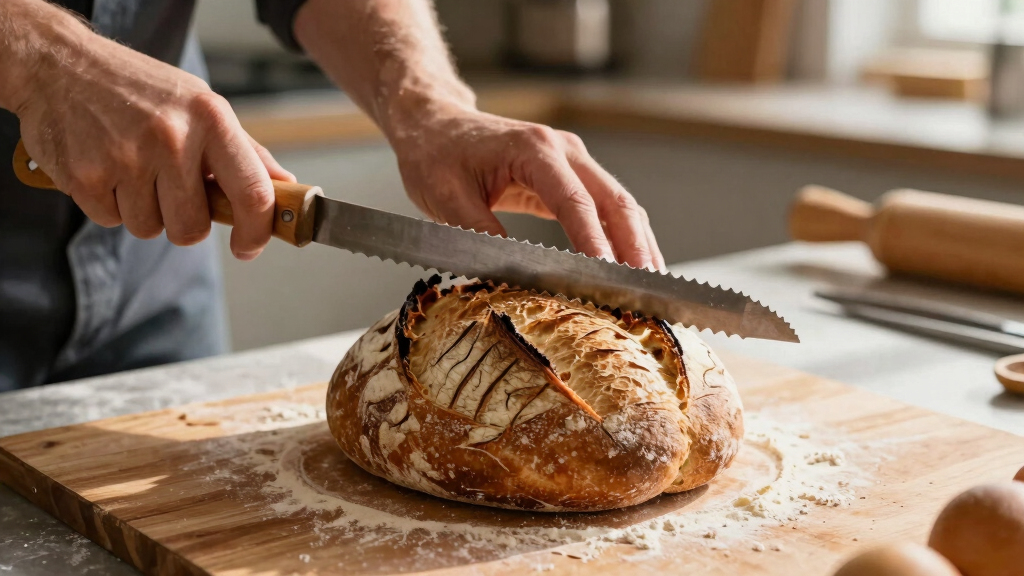
Use a sharp lame or knife to make clean, confident cuts at a shallow angle.
Deepen your scoring to about ¼–½ inch for classic baguettes, adjusting for dough type.
Timing is critical—score just before baking when dough is proofed and ready.
Experiment with patterns, but keep them simple at first; complex designs require steady hands.
Preheat your oven and consider using a baking stone or Dutch oven to maximize oven spring.
Why Proper Scoring Is Your Best Friend in Baking
Scoring isn’t just about making your bread look pretty. It’s about giving your loaf a designated path to expand. Without it, the dough might crack unpredictably, ruining the look and risking deflating your bread’s rise.
Proper scoring lets you control the oven spring—how much the bread expands in the oven. This results in a lighter, more open crumb and a crust with beautiful texture. Think of scoring as giving your bread a roadmap, guiding its growth instead of letting it split apart randomly.

"SAINT GERMAIN Premium Hand Crafted Bread Lame for Dough Scoring Knife, Lame Bread Tool for Sourdough Bread Slashing with 10 Blades Included with Replacement with Authentic Leather Protector Cover"
PREMIUM QUALITY: Premium hand crafted wood handle with stainless steel stick to attach replaceable blades. Built to last.
As an affiliate, we earn on qualifying purchases.
As an affiliate, we earn on qualifying purchases.
The Top Tools Every Home Baker Needs for Scoring
The right tool makes all the difference. A lame—a sharp razor blade mounted on a handle—is the gold standard. It slices through dough cleanly, creating sharp, precise cuts. But a very sharp kitchen knife can work as a substitute if you don’t have a lame.
Here’s a quick comparison:
| Tool | Pros | Cons |
|---|---|---|
| Lame | Sharp, replaceable blades, ergonomic handle, precise control | Can be pricey, needs replacement blades |
| Kitchen Knife | Readily available, versatile | Less precise, harder to control for intricate designs |
| Scoring Pen | Good for detailed patterns | Less sharp, needs careful handling |

CUNSENR Bread Lame Blades Refill – Stainless Steel Scoring Blades for Perfect Bread Art, Suitable for Slicing and Scoring Sourdough, Baguettes, and More (20 Blades)
BREAD LAME BLADES: Replacement blades for bread lame tools, perfect for scoring dough. High-precision razor blades for clean…
As an affiliate, we earn on qualifying purchases.
As an affiliate, we earn on qualifying purchases.
How to Score Bread Like a Pro in 4 Easy Steps
- Timing: Score just before baking when dough is proofed and ready. This timing ensures the dough is at its optimal elasticity—firm enough to hold the cuts but still supple enough to expand beautifully. Scoring too early can cause the dough to deflate or seal the cuts, while scoring too late might result in tearing or uneven expansion.
- Depth: Make cuts about ¼ to ½ inch deep for most loaves. Deeper cuts allow for more dramatic expansion and a more rustic look, but they also weaken the crust structure. Shallow cuts may not open enough, leading to a less appealing appearance. The depth you choose influences how the bread expands and how pronounced the pattern will be, so balancing depth with dough strength is key. If cuts are too shallow, they might not open during baking, resulting in a less attractive surface and limited expansion. Conversely, overly deep cuts can weaken the crust excessively, risking collapse or uncontrolled tearing. Finding the right depth involves understanding your dough’s elasticity and hydration — softer, wetter doughs may need shallower cuts to prevent tearing, while firmer doughs can handle deeper slashes for a dramatic look.
- Angle: Hold your tool at a shallow angle—around 30°—to create clean, open slashes. A shallow angle ensures the cut penetrates the surface without gouging too deeply, promoting a controlled expansion. A steeper angle can cause the cut to seal shut or create jagged edges, while too shallow might not cut deeply enough. Mastering this angle helps achieve consistent, professional-looking patterns. The angle of your cut affects how the dough responds during oven spring: a proper shallow angle helps the cut open smoothly, while a steeper angle risks sealing or tearing. Practice maintaining a consistent angle to ensure uniform results across your loaves.
- Speed: Use a quick, confident motion. Hesitation can cause jagged cuts or tears, leading to uneven expansion and an untidy appearance. A swift, decisive stroke ensures the blade slices cleanly through the dough, reducing distortion. Practicing your motion helps develop muscle memory, resulting in smoother, more precise scoring each time. Think of it like slicing into a ripe watermelon—smooth, decisive, and clean. Your dough responds best to a confident, fluid motion that minimizes tearing and ensures the cuts open well during baking. Rushing or hesitating can cause uneven cracks or damage the dough’s surface, so develop a steady, quick technique for best results.
"SAINT GERMAIN Premium Hand Crafted Bread Lame for Dough Scoring Knife, Lame Bread Tool for Sourdough Bread Slashing with 10 Blades Included with Replacement with Authentic Leather Protector Cover"
PREMIUM QUALITY: Premium hand crafted wood handle with stainless steel stick to attach replaceable blades. Built to last.
As an affiliate, we earn on qualifying purchases.
As an affiliate, we earn on qualifying purchases.
Creative Patterns to Elevate Your Bread Game
Once you master the basics, it’s fun to experiment with decorative patterns. Simple slashes, crosses, or zigzags instantly add personality. For more intricate designs, use a fine-tipped lame or scoring pen to draw leaves, flowers, or even your initials.
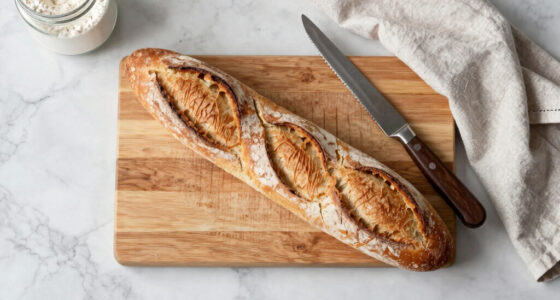
For example, a round boule can feature a star or a web pattern, while a baguette’s single slash creates that classic bakery look. The key is to keep your patterns proportionate and avoid over-scoring, which can weaken the crust.
CUNSENR Bread Lame Blades Refill – Stainless Steel Scoring Blades for Perfect Bread Art, Suitable for Slicing and Scoring Sourdough, Baguettes, and More (20 Blades)
BREAD LAME BLADES: Replacement blades for bread lame tools, perfect for scoring dough. High-precision razor blades for clean…
As an affiliate, we earn on qualifying purchases.
As an affiliate, we earn on qualifying purchases.
What You Need to Know About Dough and Oven Conditions
Scoring works best when your dough is at the right stage—fully proofed, but not over-fermented. Dough that’s too soft or sticky makes scoring tricky; you might end up tearing the surface instead of slicing cleanly. If the dough is under-proofed, it won’t have enough elasticity to open up properly, leading to ragged or uneven cracks. Over-proofed dough, on the other hand, can collapse or tear easily, making clean scoring difficult.
Also, preheat your oven thoroughly. A hot oven—around 450°F (230°C)—helps your bread spring open quickly, making your scoring patterns pop. A baking stone or Dutch oven can trap heat, improving oven spring and making your cuts look even more dramatic. These conditions not only influence how well your bread expands but also affect the final texture and appearance of your crust.
Common Mistakes That Ruin Your Bread’s Look (And How to Fix Them)
Unsuccessful scoring often results from shallow cuts, hesitations, or uneven pressure. This leads to ragged edges or unintentional splits. To fix this, ensure your dough is proofed just right—dough that is under-proofed may resist scoring, while over-proofed dough can tear easily. Practice your technique with quick, confident strokes, which help create clean lines and predictable expansion.
Another mistake is over-scoring, which weakens the crust excessively and can cause the loaf to collapse or develop irregular cracks. Keep your scoring simple and strategic—focusing on a few well-placed cuts rather than overdoing it. Proper technique and understanding your dough’s condition are essential for achieving a professional look and even baking results.
Frequently Asked Questions
Why did my bread crack in unexpected places instead of along my scored lines?
This usually happens if the dough isn’t proofed enough, if the cuts are too shallow, or if the oven isn’t hot enough. Proper proofing and a hot oven help your cuts open precisely as planned.Can I score bread after baking?
No, scoring is done before baking. Cutting after baking damages the crust and doesn’t control expansion. For decorative or textural effects, some bakers do post-bake cuts, but they’re purely aesthetic.How deep should my cuts be?
Aim for about ¼ to ½ inch deep. The exact depth depends on your dough’s hydration and type—so adjust accordingly for best results.What’s the easiest pattern for a beginner?
Start with a single long slash on a baguette or a simple cross on a round loaf. These are straightforward and help you build confidence before trying more intricate designs.Does scoring affect the flavor or crust?
Indirectly, yes. Proper scoring promotes even oven spring, which results in a lighter crumb and a crust with a desirable crackle. It’s a crucial step for both looks and texture.Conclusion
Mastering the slash is like giving your bread its final flourish. With the right tools, timing, and confidence, you turn a simple loaf into a work of art—plus, you get a crust that crackles just right.
Next time you bake, think of scoring as your secret weapon. Grab your lame, pick a pattern, and let your loaves tell their story through sharp, beautiful cuts.