TL;DR
Scoring bread controls how your loaf expands and looks. Proper technique, tools, and timing help you create beautiful, bakery-quality loaves with even rise and appealing patterns.
Ever open your oven and see a loaf with cracks that look accidental? That’s often because it wasn’t scored correctly. Scoring isn’t just about decorating—it’s a vital step that controls how your bread expands in the oven and influences its final look. Whether you want a rustic crust or intricate patterns, mastering this simple technique makes your baking stand out.
In this guide, you’ll discover the tricks behind the perfect slash, the best tools, recent innovations, and how to avoid common mistakes. Think of scoring as the signature touch that turns a good loaf into a bakery masterpiece—and it’s easier than you think once you understand the basics.
Use a sharp, fresh blade like a lame or razor for clean, precise cuts.
Score your dough just before baking, at the right depth of 1/4 to 1/2 inch.
Start with simple patterns and experiment to improve your technique.
Proper scoring guides expansion and enhances loaf appearance—don’t skip it.
Innovations like laser-guided tools and ergonomic blades are making scoring more precise and fun.
Why Scoring Your Bread Is a Game-Changer
Scoring is more than decoration. It’s a strategic move that guides how your bread expands during baking. Without it, the dough might crack chaotically or burst unpredictably. Proper scoring creates a controlled ‘release valve,’ shaping your loaf’s final form and crust.
Imagine baking a sourdough boule. A simple slash allows the dough to expand evenly, forming that classic round shape. But if you skip scoring, the bread might split on its own, creating ugly cracks and uneven texture. The slash also affects the crust’s look, adding character and artisanal charm.
Beyond aesthetics, scoring influences the internal structure of the loaf. It determines where the bread will expand most, affecting the final crumb. Improper or absent scoring can lead to uneven expansion, which might result in a dense, unattractive loaf. Skilled scoring balances expansion with control, leading to a more predictable and desirable outcome. It’s a crucial element that bakers often overlook but can make or break the finished product.
bread lame for scoring bread
As an affiliate, we earn on qualifying purchases.
As an affiliate, we earn on qualifying purchases.
The Best Tools for Flawless Bread Slashes
Choosing the right tool makes scoring easier and results cleaner. The most popular tool is a lame, a thin, razor-sharp blade mounted on a handle. It’s designed for precision and control. Some bakers prefer razor blades or scissors, depending on the pattern.
Here’s a quick comparison:
| Tool | Advantages | Ideal Use |
|---|---|---|
| Lame | Sharp, replaceable blades, comfortable grip | Detailed patterns, consistent cuts |
| Razors | Very sharp, inexpensive | Quick, simple slashes |
| Scissors | Good for thick crusts, decorative patterns | Creative designs |
Whichever you choose, make sure it’s razor-sharp. A dull blade tears the dough, resulting in ragged cuts that can deflate your loaf or cause uneven expansion.
Tip: Keep your blades clean and replace them regularly. A fresh blade slices smoothly, giving you cleaner, more professional-looking slashes.
Using the right tool isn’t just about ease—it directly impacts the final appearance and structure of your bread. A clean cut ensures the dough expands predictably, resulting in a more attractive crust and crumb. Investing in quality tools can elevate your baking, making each loaf a work of art with minimal effort.
razor blade for bread scoring
As an affiliate, we earn on qualifying purchases.
As an affiliate, we earn on qualifying purchases.
When and How to Score for Perfect Results
Timing is everything. The best moment to score your dough is just before baking. After proofing, the dough reaches its optimal elasticity, making it the ideal time for scoring. Scoring too early, such as during initial shaping, can cause the dough to collapse or deflate, while scoring too late might result in uneven cuts due to surface tension changes. Proper timing ensures the pattern remains sharp and the dough expands as intended.
Follow these steps for a clean cut:
- Lightly dust the surface with flour to prevent sticking, which can cause dragging and uneven lines.
- Hold your tool at a 30-45 degree angle to the dough surface. This angle helps the blade cut smoothly without tearing.
- Apply even, confident pressure, slicing quickly to avoid dragging or smudging the pattern.
- Make your cuts about 1/4 to 1/2 inch deep, adjusting based on dough elasticity and the pattern’s complexity. Deeper cuts allow more expansion but risk deflating the loaf if too aggressive. Shallow cuts may not open enough during baking, resulting in a less dramatic appearance.
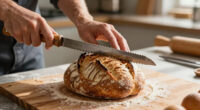
Imagine a baker making a swift, confident slash across a well-proofed boule. The crisp sound of the blade slicing through the crust signifies a clean cut. The depth and angle of your slash influence how the loaf will expand, affecting both the aesthetics and the internal crumb structure. Proper timing and technique are essential to achieve that professional finish.
Pro tip: Slightly chilled dough is easier to cut cleanly because it’s firmer, reducing tearing and helping your pattern stay sharp during scoring.
bread scoring tool set
As an affiliate, we earn on qualifying purchases.
As an affiliate, we earn on qualifying purchases.
Design Ideas: From Simple Slashes to Artistic Patterns
Start with simple patterns like a single straight slash or diagonal cuts. These are quick, forgiving, and perfect for beginners. As you gain confidence, try more intricate designs—crosshatches, leaves, or even custom shapes.
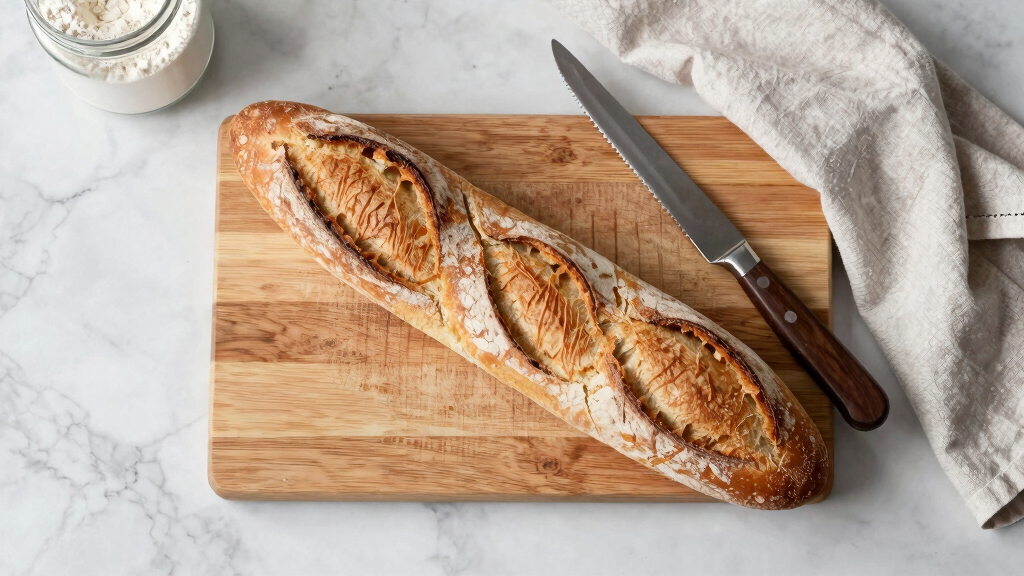
For example, a bakery might score a baguette with parallel slashes that run diagonally, creating a textured, rustic look. Or, you might carve a leaf pattern into a round loaf, adding an artistic touch.
Remember, the key to successful artistic scoring is understanding how the pattern influences expansion. Complex designs require precise control over depth and angle, as uneven cuts can cause uneven expansion or tearing. Practicing on scrap dough helps you get a feel for how different patterns behave during baking. Over time, your confidence and creativity will grow, allowing you to craft loaves that are both beautiful and functional.
bakery quality bread scoring tools
As an affiliate, we earn on qualifying purchases.
As an affiliate, we earn on qualifying purchases.
Recent Innovations That Make Scoring Easier and Better
Modern bakers are pushing the art of scoring with new tools and tech. Ergonomic, precision blades with replaceable parts make scoring more consistent. Some even use laser-guided devices to create patterns with laser accuracy—perfect for intricate designs.
There’s a trend toward sharper, longer-lasting blades that maintain their edge through many uses. These innovations help bakers achieve cleaner, more controlled cuts, especially with delicate doughs like sourdough. The improved tools reduce fatigue and increase precision, making complex patterns more accessible to home bakers and professionals alike.
Plus, online tutorials and social media challenges inspire bakers worldwide to experiment with new patterns, elevating bread art to a new level. It’s a creative revolution, driven by both technology and community sharing.
Imagine slicing into a loaf with a blade so sharp it glides through, leaving a crisp, clean line—almost like a work of art. That’s the power of these innovations, enabling bakers to push the boundaries of design and consistency with ease and confidence.
Avoid These Common Mistakes and Get Perfect Slashes Every Time
Even experienced bakers slip up. Here are typical pitfalls:
- Using a dull blade—causes tearing and uneven cuts, which can compromise both appearance and expansion. A dull blade forces you to apply more pressure, increasing the risk of dragging or tearing the dough, resulting in jagged lines and unpredictable expansion during baking.
- Over or under cutting—too deep can deflate the loaf, ruining its shape and crumb structure; too shallow might not open enough, leading to a less dramatic pattern and uneven expansion. Finding the right depth requires understanding your dough’s elasticity and the desired visual effect.
- Scoring too late—dough can deflate if not handled carefully after proofing. Timing your slash just before baking preserves the dough’s shape and ensures the pattern opens fully during oven spring.
- Scoring on a warm, sticky surface—results in dragging and uneven lines because the dough surface is too soft. Using a slightly chilled or well-floured surface helps maintain control and produce crisp, clean lines.
- Ignoring dough consistency—slightly chilled dough is easier to score cleanly because it’s firmer and less sticky. Warm, sticky dough increases the chance of tears and irregular patterns, which can detract from the final appearance.
Imagine trying to cut a sticky, warm dough. The blade drags, and lines become messy. Keep your dough cool, blades sharp, and confidence high—your loaf will thank you. Understanding these common issues and how to avoid them ensures consistent, professional results every time.
Pro tip: Practice on spare dough or small batches to refine your technique before working on your main loaves. This allows you to experiment with depth, angle, and pattern without risking your best batch.
Frequently Asked Questions
Can I score bread with a regular kitchen knife?
Yes, but a sharp, specialized tool like a lame or razor blade gives you cleaner, more controlled cuts. A dull knife might tear the dough and ruin your pattern.
How deep should my slash be?
Aim for 1/4 to 1/2 inch deep. Depth depends on dough type and pattern complexity—deeper cuts allow more expansion but risk deflating the loaf if too aggressive.
Should I score my bread before or after proofing?
Score it after proofing, right before baking. This timing ensures the dough is at the right elasticity and shape, giving you cleaner lines and better expansion.
Are decorative patterns worth the effort?
Absolutely. They add personality and artistry to your bread, making each loaf unique. Practice small designs first, then experiment with more complex patterns over time.
Does scoring affect the bread’s flavor?
Not directly. Scoring mainly influences appearance and how the bread expands. The flavor depends more on ingredients and baking conditions.
Conclusion
Mastering the slash that shapes your bread is a simple step with a big impact. It’s about confidence, a sharp blade, and a bit of practice. Your loaves will look more professional, and their crusts will thank you.
Next time you bake, focus on that final, crucial cut. Think of it as the signature that turns a good loaf into a work of art. Get your blade ready, and let your creativity shine—your bread deserves it.