
TL;DR

Get baking supplies delivered free with Prime
- Fast, free delivery on millions of items
- Prime Video, Amazon Music and more included
- Member-only deals all year
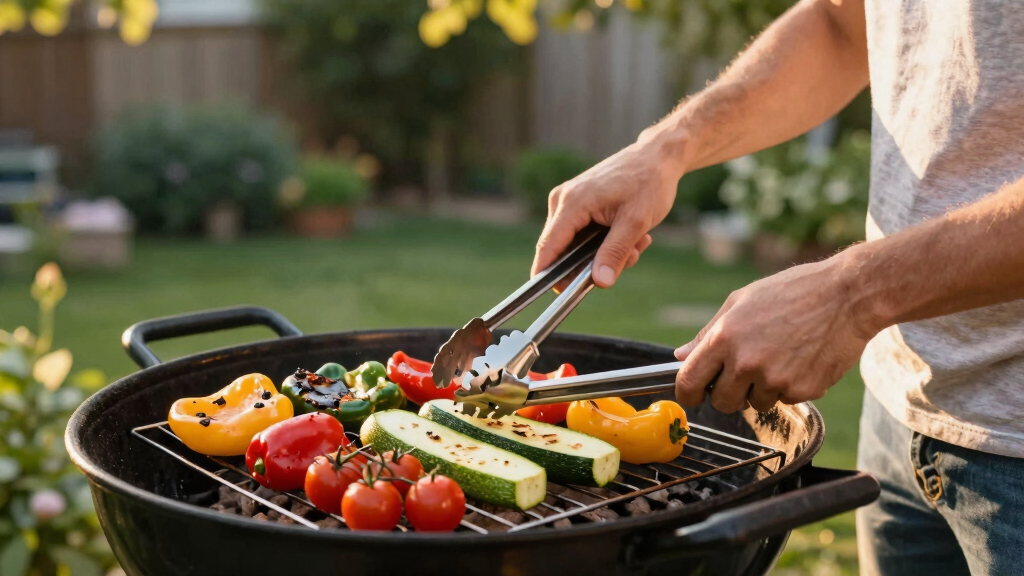
A home cook shares her father’s simple secret for enhancing grilled vegetables: burning a cinnamon stick to create smoky, woody-flavored oil. This hack mimics charcoal grilling on a gas grill and is easy to replicate.
A home cook has shared her father’s straightforward method for adding a deep, smoky flavor to grilled vegetables using burnt cinnamon oil, a technique that mimics the taste of food cooked over charcoal on a gas grill.
The method involves burning a cassia cinnamon stick directly over a gas flame until it smokes heavily, then immediately dropping it into a jar of olive oil to steep. This infused oil is then brushed onto vegetables before grilling, imparting a woody, smoky flavor. The process takes about 30 minutes of steeping, but can be prepared in advance for best results.
The technique was shared by the cook’s father, who used it to achieve a complex, incense-like aroma in his grilled vegetables, reminiscent of professional charcoal grilling. The process emphasizes using dense cassia cinnamon sticks, which withstand direct flame better than delicate Ceylon varieties, and involves only charred portions of the stick. The method is simple, requires minimal ingredients, and does not involve any sauces or marinades.
Why Burnt Cinnamon Oil Enhances Grilled Vegetables
This technique offers a practical way for home cooks to replicate the rich, smoky flavor of charcoal grilling using a standard gas grill. It provides an accessible alternative for those who lack a smoker or outdoor setup, potentially elevating everyday grilling routines. The method’s simplicity and effectiveness may influence home grilling practices, especially during peak season, and encourages experimentation with natural flavor infusions.
Products Worth Considering

Weber Genesis E-415 4-Burner Propane Gas Grill, Black

Weber Searwood 600 Wood Pellet Smoker Grill, Black

Traeger Woodridge Pro Wood Pellet Grill and Smoker, 970 sq. in., WiFIRE
As an affiliate, we earn on qualifying purchases.
Background on Flavoring Techniques for Grilled Vegetables
Flavoring vegetables for grilling often involves marinades, rubs, or wood chips. However, achieving a smoky aroma typically requires specialized equipment like smokers or wood chunks. This new method, shared by a home cook, introduces a quick, low-cost alternative that leverages the natural smokiness produced by burning cinnamon sticks, a common spice. The technique aligns with trends toward natural, ingredient-based flavor enhancements and DIY culinary hacks. It also echoes traditional practices of using spices to impart smoky flavors in various cuisines, adapted here for modern grilling.
“Burning cinnamon sticks directly over a flame until they smoke creates a woody, incense-like aroma that infuses olive oil with a smoky flavor.”
— an anonymous researcher
Unanswered Questions About Burnt Cinnamon Oil Use
It is not yet clear how long the smoky flavor persists in the oil or how it compares in intensity to traditional smoking methods. The optimal steeping time and whether the technique works equally well with different types of vegetables or other foods remain to be tested. Additionally, the potential impact on flavor if the cinnamon stick is over-charred or if different spices are used has not been explored.
Next Steps for Home Cooks and Food Enthusiasts
Home cooks are encouraged to try the burnt cinnamon oil method during upcoming grilling sessions, experimenting with steeping times and application techniques. Food bloggers and culinary researchers may explore variations using different spices or woods. Further feedback from users could refine the process, making it a standard hack for smoky grilled vegetables. Retailers might also consider offering pre-infused oils or cinnamon sticks designed for this purpose.
Key Questions
Can I use other spices instead of cinnamon for smoky flavor?
While cinnamon provides a woody, incense-like aroma, experimenting with other spices like star anise or cloves may produce different smoky or aromatic effects, but their effectiveness has not been formally tested.
How long can the burnt cinnamon oil be stored?
It is recommended to store the infused oil in a sealed jar in a cool, dark place and use within a week for optimal freshness and flavor. Longer storage may diminish the smoky aroma.
Does this method affect the healthiness of grilled vegetables?
The process involves natural infusion without added chemicals, but over-charring or burning spices can produce compounds that should be consumed in moderation. Use caution to avoid excessive charring.
Is this technique suitable for all types of grills?
Yes, the method is designed for gas grills and stovetops, making it accessible for most home cooks. It does not require specialized equipment.
Can I use burnt cinnamon oil on other foods besides vegetables?
Yes, the infused oil can be used on meats, seafood, or even bread to add a smoky, woody flavor, depending on personal preference.
Source: rss