
TL;DR

Get baking supplies delivered free with Prime
- Fast, free delivery on millions of items
- Prime Video, Amazon Music and more included
- Member-only deals all year
Silicone bakeware is great for intricate shapes, easy release, and freezing. But it struggles with browning, support, and consistent quality. Knowing when to use it makes all the difference.
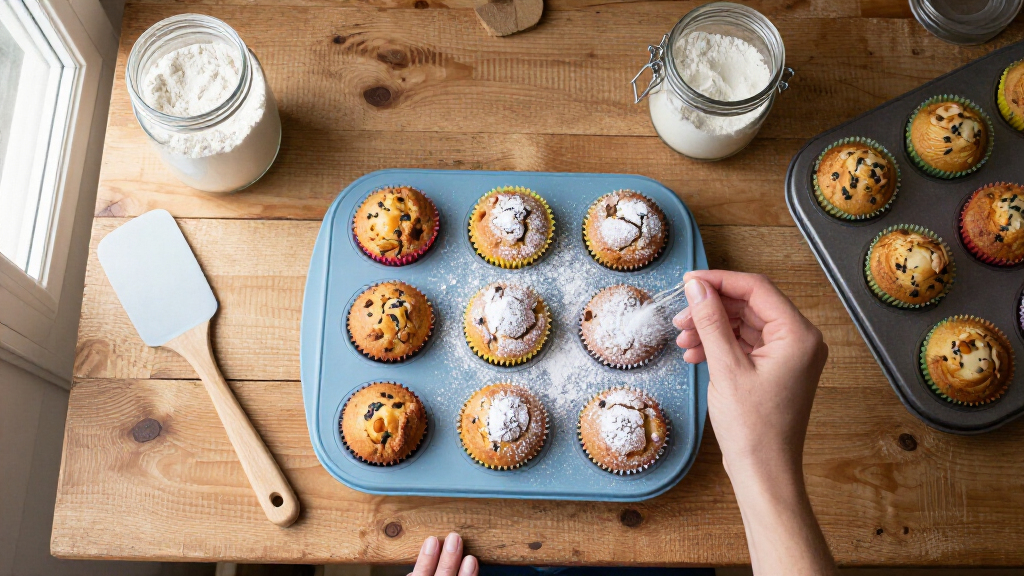
Imagine pulling a batch of cupcakes from the oven, only to find they’re pale, soft, and lacking that satisfying crust. Silicone bakeware promises easy release and flexible shapes, but it doesn’t always deliver the same browning or support as metal or glass. You need to know when it truly helps—and when it might hurt your baking results.
This guide walks you through the strengths and weaknesses of silicone bakeware, with practical tips and real-life examples. Whether you’re a casual baker or a dedicated enthusiast, understanding these nuances helps you make smarter choices in the kitchen.
Choose high-quality, traceable silicone from reputable brands to avoid odors, fillers, and durability issues.
Use silicone for intricate shapes, freezing, and easy release tasks, but switch to metal or glass when browning and support are critical.
Beware of poor heat conduction; expect pale baked goods and longer baking times when using silicone.
Support flexible silicone pans on a sheet pan to prevent spills and deformation during baking.
Replace silicone bakeware when it becomes torn, sticky, or develops persistent odors for safety and performance.
Silicone Bakeware: When It Helps and When It Hurts
Flexible, nonstick, and wonderfully easy to unmold, silicone excels at detailed shapes and frozen portions. Its weak heat conduction and soft structure, however, can leave baked goods pale, soft, or misshapen.
Peel the mold away instead of forcing the food out.
Side and bottom crusts often remain pale and soft.
Large filled molds may bow, sag, or spill.
Useful from freezer to oven within its rated range.
Choose flexibility when release and detail matter most.
Silicone behaves like a soft, peelable mold. That makes it particularly valuable for fragile foods, sticky mixtures, unusual shapes, and compact storage.
Intricate molds
Mini cakes, chocolates, gummies, and gelatin shapes release with less pulling, cracking, or broken detail.
Frozen portions
Ice cubes, sauces, purées, and small desserts pop out easily because the mold flexes around them.
Baking mats
A reusable silicone mat provides a practical nonstick surface for candy, pastry, and sticky dough.
Flexible liners
Silicone liners inside rigid metal pans combine easier release with dependable structural support.
Compact storage
Lightweight pieces bend or nest more easily than bulky metal, glass, or ceramic bakeware.
Fewer disposables
For suitable recipes, reusable molds and mats can replace paper liners or sheets of parchment.
Poor heat transfer changes the bake.
Recipes developed for metal do not always behave the same way in silicone. Time, texture, shape, and surface color can all shift—even when the top appears finished.
Pale, soft edges
Cakes, breads, muffins, and pie crusts may lack the deep color and crisp perimeter created by hot metal.
Sagging and spills
A filled flexible pan can bow during transport or deform in the oven unless it rests on a rigid base.
Slow or uneven doneness
The center may remain underdone after the top looks ready. Test the bake instead of trusting the clock alone.
Oil and odor retention
Fat, detergent fragrance, and strong food aromas can accumulate as tackiness, odors, or unwanted flavor transfer.
Relative performance profile
Use the pan that serves the desired result.
No single bakeware material does everything well. Silicone favors release and flexibility; metal favors color, crust, and structure; glass offers rigidity with a visible baking surface.
| Task or quality | Silicone | Metal | Glass |
|---|---|---|---|
| Intricate shapes | ✓Excellent | ~Depends on coating | ✗Limited |
| Deep browning | ✗Weak | ✓Excellent | ~Moderate |
| Crisp cookie bottoms | ~Recipe dependent | ✓Strong | ✗Less suitable |
| Structural support | ✗Needs a tray | ✓Rigid | ✓Rigid |
| Freezing portions | ✓Excellent | ~Usable | ~Handle carefully |
| Compact storage | ✓Excellent | ~Stackable | ✗Bulky |
| Loaves and pie crusts | ✗Often too soft | ✓Best for crust | ~Useful alternative |
Four decisions prevent most silicone surprises.
Name the priority
Is the goal easy release, a detailed shape, crispness, or deep browning?
Choose the material
Select silicone for flexibility and metal or glass when structure matters.
Add a rigid base
Place soft molds on a sheet pan before filling, lifting, or moving them.
Test doneness
Use temperature, a tester, and physical cues rather than time alone.
If release and detail lead the brief, reach for silicone. If browning, crispness, and firm support define success, choose metal or glass—or place silicone inside a rigid system.
Buy traceable products—and retire damaged ones.
Quality checklist
- Choose a reputable manufacturer with clear food-contact documentation.
- Confirm the stated oven, freezer, microwave, and dishwasher limits.
- Look for even molding without unexplained residue or discoloration.
- Treat platinum curing as one clue, not proof of overall manufacturing quality.
- Do not rely on a pinch or twist test to identify fillers.
- Keep silicone away from open flames, stovetops, and direct heating elements.
Replace it when…
- The surface is torn, deeply scratched, or physically degraded.
- Persistent tackiness remains after appropriate cleaning.
- Odors or flavors continue to transfer into food.
- The shape has weakened enough to compromise safe handling.
- The product lacks a usable temperature rating or traceable source.
What silicone bakeware is and why it’s popular
Silicone bakeware is a flexible, rubbery material made from food-grade silicone—an inert, synthetic compound that’s heat-resistant and nonstick. It’s especially loved for its ease of release, lightweight nature, and ability to form intricate shapes. Think of it as a soft mold that can bend, peel away, and go from freezer to oven with no fuss.
Its popularity soared because it replaces parchment paper, disposable molds, and heavy metal pans in many kitchens. Plus, it stores compactly, making it ideal for small spaces. But as with any tool, it has limits you should understand before relying on it for every bake.
Products Worth Considering

Ninja PossibleCooker PRO Plus 11-in-1 8.5 qt Trace Blue (MC2002BL)

Cuisinart PerfecTemp Electric Kettle, 1.7 L, 1500 W, 6 Temperature Settings

Instant Pot Duo Crisp Ultimate 6.5-Quart 13-in-1 Pressure Cooker and Air Fryer
As an affiliate, we earn on qualifying purchases.
When silicone makes baking easier and more fun
Silicone truly shines when release is your top priority. For example, if you’ve ever struggled to unmold delicate chocolates or gelatin desserts, silicone molds make it a breeze. Just peel, and your intricate shapes come out perfectly—no sticking, no breaking.
It’s also fantastic for freezing small portions like gummies or ice cubes. The flexibility means you can pop out a frozen cube or a mini cake without damaging the shape. Plus, if you bake in small kitchens, its lightweight, collapsible design saves space and makes cleanup quicker.
Think of silicone baking mats—these are reusable and replace parchment for cookies or sticky pastries. They’re a game-changer for sticky doughs and pastry work, especially when you want a nonstick surface that’s easy to clean.
Where silicone falls flat and can ruin your results
Despite its perks, silicone has notable drawbacks—especially when you care about browning and crust. Since silicone conducts heat poorly, baked goods often come out pale and soft on the sides and bottom. For a crusty bread or a deep golden pie crust, metal or glass usually wins.
Large silicone pans can also sag or spill if not supported—imagine filling a soft loaf mold and watching it bow in the oven. It’s like trying to hold a water balloon—without support, it can deform or spill over.
Additionally, recipes designed for metal pans often take longer in silicone, because heat doesn’t transfer as efficiently. You might find your cake is underdone in the middle even when the top looks perfect. Cookie baking is affected too—bottoms may brown unevenly, or cookies may spread less, affecting texture and appearance.
Finally, silicone can trap oils and odors, leading to sticky films or strange tastes over time. If you use it heavily, you might notice a soap-like smell or flavor transfer, especially from fatty or strongly flavored foods.
How to choose high-quality silicone bakeware that lasts
Not all silicone bakeware is created equal. To get the most out of it, look for products from reputable brands with clear food-contact and temperature ratings. Good quality silicone is usually platinum-cured, which tends to be purer and less odorous than peroxide-cured options.
Check for detailed instructions—can it handle oven, microwave, freezer, and dishwasher? A sturdy, evenly molded piece without oily residue or discoloration indicates better manufacturing.
Always verify compliance claims like FDA approval or LFGB certification. And don’t rely on the pinch test alone—color change or white streaks during twisting don’t reliably reveal fillers or additives.
When buying, consider the intended use—if you want crisp crusts, a metal pan might be better. But for delicate detail work or freezing, high-quality silicone can be a smart choice.
Getting the best results from your silicone bakeware
Preparation is key. Wash new silicone thoroughly with warm water and mild detergent, then dry completely before first use. Some brands recommend a brief empty bake at a low temperature to remove manufacturing odors—always follow the instructions.
Regarding greasing, silicone is naturally nonstick but not always release-proof. For intricate molds or low-fat recipes, a light coat of oil or cooking spray can improve release. Avoid heavy aerosol sprays that can leave a sticky buildup.
Cooling baked goods before unmolding helps prevent tearing. Peel the silicone mold away gently, and use soft utensils if needed. Regular cleaning with hot water and mild detergent keeps it fresh. For stubborn grease, a baking soda paste can help—just check manufacturer advice first.
Replace silicone items that become torn, sticky, or develop persistent odors. Proper care prolongs lifespan and keeps your results consistent.
When silicone is not your friend: support, browning, and safety issues
Silicone’s poor heat conduction means your baked goods won’t brown deeply or develop that crispy crust you love. If you’re baking bread or pie crusts, metal pans are usually better because they transfer heat evenly and promote a golden finish.
Large, unsupported silicone pans can sag or spill, especially when filled heavily. Always support flexible molds on a sheet pan or rigid base before baking.
In terms of safety, properly manufactured silicone is generally stable within its rated temperature. But lower-quality, cheaply made products may contain fillers or release small amounts of volatile compounds—especially when new or heated beyond their limits.
It’s wise to buy traceable, tested silicone from reputable sources. Avoid using silicone near open flames, direct heat, or on stovetops, where its limitations can lead to safety concerns.
Finally, silicone isn’t biodegradable, and recycling options are limited. Think of it as a long-term investment—buy quality, care for it, and replace when damaged.
Balancing silicone with other bakeware for smarter baking
The best approach? Use silicone when release, flexibility, and detail matter most—think molds for chocolates or frozen portions. For crusts, browning, and support, turn to metal or glass. They each serve their role in a balanced kitchen.
For example, support a silicone loaf pan with a sturdy sheet pan. When baking cookies, consider a silicone mat for sticky dough but switch to metal for a crisp, golden bottom. This division of labor ensures you get the results you want, without sacrificing convenience.
Remember, no single material does everything perfectly. Combining them based on the task leads to better, more predictable outcomes.
What the future holds for silicone bakeware
As demand for reusable, eco-friendly tools grows, silicone bakeware is evolving. Manufacturers emphasize platinum-cured, medical-grade, and European-tested silicone, promising safer, purer products. But concerns about chemical migration and recycling remain—its long-term sustainability is still under scrutiny.
New designs aim to improve support, browning, and odor resistance. Some brands are experimenting with reinforced edges or hybrid pans that combine silicone with metal supports. Meanwhile, awareness about chemical migration has led to stricter testing and clearer labeling.
In the end, informed consumers who choose quality, follow usage guidelines, and support recycling efforts will shape a more sustainable future for silicone baking tools.
Frequently Asked Questions
Is silicone bakeware safe?
Reputable food-contact silicone is generally safe when used within its rated temperature range. Avoid unidentified products, overheating, or damage, and always follow manufacturer instructions for safe baking.
Does silicone release chemicals into food?
Some small amounts of volatile compounds can migrate, especially when new or heated strongly. Choosing quality, traceable silicone and avoiding excessive heat reduces this risk significantly.
Is silicone safer than nonstick-coated metal?
Both have their pros and cons. Silicone avoids fluoropolymer coatings but can trap odors or oils. Metal provides excellent browning but may require more careful handling to prevent sticking. The choice depends on your priorities and the product quality.
Can silicone go directly on an oven rack?
Flexible silicone pans should be placed on a sturdy sheet pan to prevent spills and support. Rigid, reinforced molds might go directly on racks if rated for the temperature, but always check the manufacturer’s guidance.
How do I clean and maintain silicone bakeware?
Wash with warm water and mild detergent promptly after use. For stubborn grease, a baking soda paste can help. Avoid harsh abrasives and check for damage before each use to ensure safety and performance.
Conclusion
Silicone bakeware is a versatile tool that shines in specific tasks but can fall short in others. Knowing when to trust it—and when to reach for metal or glass—makes every bake a success. Think of silicone as a helper, not a hero, in your baking arsenal.
Next time you reach for that flexible mold or mat, remember: it’s all about matching the tool to the task. Your baked goods will thank you for it—and so will your peace of mind.