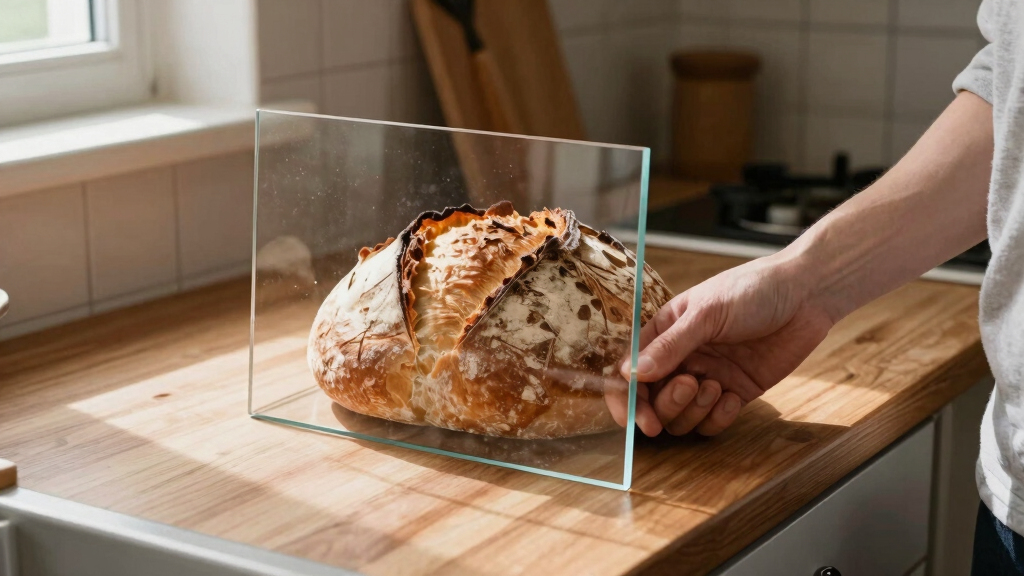

TL;DR

Get baking supplies delivered free with Prime
- Fast, free delivery on millions of items
- Prime Video, Amazon Music and more included
- Member-only deals all year
The windowpane test is a simple, 10-second check to see if your dough has enough gluten. Gently stretch a small piece until transparent—if it tears, knead more; if it’s thin and see-through, it’s ready. This quick test helps you avoid dense, flat bread and ensures a better rise and chewy texture.
Ever had bread that’s dense, flat, or chewy? The secret often lies in gluten—the protein network that gives bread its structure. But how do you know when your dough is just right? That’s where the windowpane test comes in. It’s a quick, foolproof way to check if your kneading hit the mark, saving you from over- or under-working your dough.
In just 10 seconds, you get a clear visual cue that tells you whether your bread will rise beautifully or fall flat. No fancy tools needed—just your hands and a bit of practice. Ready to make your baking more confident and consistently perfect? Let’s walk through this simple technique.
The windowpane test is a quick, visual way to check gluten development in dough—just 10 seconds of gentle stretching.
Proper gluten formation is key to trapping gases, ensuring your bread rises high with a chewy texture.
Over- or under-kneaded dough tears easily or feels stiff; the test helps you find the perfect elasticity.
Perform the test after initial kneading—if it tears, knead more; if it passes, shape and bake.
This simple technique can dramatically improve your bread’s consistency and quality.
The Windowpane Test: The 10-Second Check That Saves Your Bread
TL;DR: Pinch off a small piece of kneaded dough and stretch it gently. If it pulls into a thin, translucent sheet without tearing, the gluten network is ready to trap gas, rise high, and bake into a chewy, airy loaf.
A fast tactile cue before shaping, proofing, or adding more folds.
The dough should stretch like a delicate film, not rip like paper.
Properly developed gluten can trap enough gas to double dough size during baking. The windowpane gives you the visual confirmation.
Sourdough, sandwich loaves, baguettes, pizza, and enriched doughs.
Take a small piece from the center of the dough mass.
Light should show through before the dough breaks.
More kneading, folding, or resting is needed.
How to Run the Test Without Guesswork
The windowpane test turns gluten development into something you can see. Gentle handling matters: stretch slowly, keep the dough relaxed, and read the tear pattern before deciding what comes next.
Pinch
Take a smooth piece about the size of a golf ball, ideally from the middle of the dough.
Stretch
Use even pressure between fingers or palms, as if pulling taffy into a delicate sheet.
Read
If it becomes thin and see-through, shape it. If it tears early, knead or fold more.
Gluten Readiness Scale
The sweet spot is elastic enough to stretch into a window, but relaxed enough to avoid stiffness.
What Improves After a Pass
Good gluten development supports the dough during fermentation and oven spring.
Why the Windowpane Works
Kneading aligns and links gluten proteins into a stretchy web. When the web is strong, it traps fermentation gas like a resilient net, helping the loaf expand instead of collapse.
Gluten Acts Like Elastic Bands
As flour hydrates and dough is worked, protein strands connect into a flexible structure.
Structure Holds the Rise
A strong gluten web captures carbon dioxide during fermentation and supports oven spring.
Thin Film Means Ready
A translucent sheet shows the network can stretch without snapping under pressure.
Dough feels sticky or fragile, tears early, and may bake dense or flat.
Dough feels elastic, slightly tacky, smooth, and stretches into a thin window.
Dough feels tight, stiff, and resistant, needing rest before it can relax again.
What Your Dough Is Telling You
The test is not a laboratory measurement. It is a baker’s checkpoint: observe the dough, make a small adjustment, then test again after a short rest.
| Test Result | Likely Meaning | Loaf Risk | Next Move |
|---|---|---|---|
| ✗ Tears immediately | Underdeveloped gluten. The network is too weak to stretch. | Dense crumb, poor rise, flat profile. | Knead a few minutes or add gentle folds, then rest 10 minutes. |
| ~ Stretches but rips | Almost there. Some structure exists, but it is not fully connected. | Uneven crumb and limited oven spring. | Use one more short knead or fold cycle and test again gently. |
| ✓ Thin and translucent | Ready gluten network. The dough can expand and hold gas. | Low risk when proofing and baking are handled well. | Move on to bulk fermentation, shaping, or the next recipe step. |
| ~ Stiff and resistant | Too tight or overworked. The gluten needs time to relax. | Tough texture, restricted expansion. | Rest covered, then fold lightly instead of aggressively kneading. |
When should I test?
After initial kneading, when the dough looks smoother and feels elastic rather than shaggy.
Does it work for every dough?
It is most useful for gluten-based yeasted doughs, not muffins, quick breads, or gluten-free batters.
What if it tears?
Knead or fold briefly, let the dough rest, then repeat the test with a lighter touch.
From Kneading to Better Bread
The windowpane test matters because every later stage depends on the structure you build early.
Hydrate flour and begin gluten formation.
Align proteins into a stronger elastic web.
Stretch a small piece until it forms a thin film.
Trap fermentation gases for height and lift.
Set an airy, chewy crumb instead of a dense loaf.
Key Takeaways
- Use the test after kneading and before committing to shaping.
- Look for translucency, not just stretch.
- Rest tight dough before adding more force.
The Baker’s Rule
- If it tears: knead, fold, or rest.
- If it windows: proceed with confidence.
- If it fights back: let the gluten relax.
What Exactly Is the Windowpane Test and Why It Matters
The windowpane test is a way to see if your dough’s gluten network has developed enough to trap gas and give your bread its structure. Imagine stretching a piece of dough like a thin, transparent film—similar to a piece of plastic wrap—without it tearing. For example, if you’re making a baguette, and after kneading, you pinch off a small ball of dough and gently stretch it, it should become thin enough to see light through without ripping. If it tears easily, it’s like trying to stretch a piece of paper—your gluten isn’t strong enough yet. When the gluten is well-developed, it’s like a resilient, elastic sheet that can stretch into a window without breaking. This indicates that your dough can hold the gases produced during fermentation, leading to a light, airy loaf. Think of it as testing the strength of a trampoline—if it can stretch and still bounce back, it’s ready to support the final rise. Recognizing these signs helps you adjust your kneading process—less if it tears or feels stiff, more if it’s too fragile—ensuring consistent, perfect bread every time.
Products Worth Considering

Cuisinart ICE-70P1 2-Quart Ice Cream Maker with Countdown Timer

Ninja PossibleCooker PRO Plus 11-in-1 8.5 qt Trace Blue (MC2002BL)

Cuisinart PerfecTemp Electric Kettle, 1.7 L, 1500 W, 6 Temperature Settings
As an affiliate, we earn on qualifying purchases.
How to Do the Windowpane Test in 3 Easy Steps
- Pinch off a small piece of dough about the size of a golf ball. For instance, if you’re making a loaf of bread, choose a piece from the middle of your dough ball—this is often the most representative of overall gluten development. Make sure it’s smooth and elastic, indicating proper initial kneading and readiness for testing.
- Gently stretch it between your fingers or palms, applying even, gentle pressure. Imagine you’re trying to create a thin, delicate sheet of plastic—if it stretches without tearing, your gluten is developing well. It’s similar to pulling a piece of taffy gently; if it stretches into a thin, almost see-through film, that’s a good sign.
- Observe whether it becomes thin and translucent without ripping. If it does, the gluten network is sufficiently developed; if it tears easily or feels stiff, more kneading or resting is needed. For example, if you’re making sourdough, and the dough tears when stretched, it’s like trying to stretch a rubber band that’s been overused—needs more time to relax and develop. This step helps you decide whether to proceed to shaping or to give the dough a few more folds and time to develop further.
Mastering this simple test allows you to gauge your dough’s readiness with confidence. Over time, you’ll develop a feel for just how much to stretch—it’s like giving your dough a quick health check. A successful pass indicates your gluten is strong enough to trap gases, ensuring a good rise and a chewy crumb. Remember, patience and gentle handling are key—rushing can cause tearing, while overworking can make the dough tough.
Why the Windowpane Test Works — The Science in a Nutshell
Gluten is a web of interconnected protein strands that forms when you knead dough. Think of it as a network of tiny elastic bands that stretch and rebound. When you knead, these bands become more aligned and interconnected, creating a resilient web. Imagine stretching a pair of tights—if they’re properly worked, they can stretch thin without tearing. This is similar to how gluten develops, trapping gases during fermentation. For example, if you’re making a classic sourdough loaf, the gluten web needs to be strong enough to hold the expanding gases, which is crucial for a good rise. The windowpane test visually confirms whether this web is sufficiently developed. When you stretch the dough into a thin, transparent sheet without tearing, it’s like a well-woven net—elastic and interconnected. If it tears easily, it’s like a fragile spider web—needs more work. Proper gluten development allows the dough to double in size during baking, creating that airy, chewy structure we love. Using the windowpane test is like checking the strength of a bridge before crossing—simple, visual, and effective, ensuring your gluten network can support a perfect loaf.
Common Mistakes and How to Fix Them with the Windowpane Test
If your dough tears easily during the windowpane test, it’s similar to trying to stretch a piece of paper—your gluten isn’t strong enough yet. For example, if you’re making a loaf and notice it rips when you pull it thin, it’s like trying to stretch a rubber band that’s been overworked—over-kneaded or not kneaded enough. In this case, give your dough a few more gentle folds or knead it for a couple of minutes, then let it rest for 10 minutes—like giving a rubber band a break so it regains elasticity. On the flip side, over-kneaded dough can become stiff and resistant, like trying to stretch a cardboard strip. To fix this, gently fold the dough over itself to redistribute gluten, allowing it to relax and regain some elasticity—a process similar to gently kneading a stiff dough ball back into softness. Think of it as adjusting a tight rubber band or a stretched-out elastic—small tweaks help restore balance. Recognizing these signs and making small adjustments ensures your bread will have a light, airy crumb and avoid dense or tough results. It’s all about finding that sweet spot—dough that’s elastic enough to stretch into a window without tearing, but not overworked.
Frequently Asked Questions
Can I do the windowpane test on all types of bread dough?
The windowpane test works best for yeasted breads with strong gluten development, like sourdough or sandwich bread. It’s less useful for non-gluten doughs like quick breads or muffins. For those, rely more on texture and appearance, as the gluten network isn’t the primary structure factor.
How do I know if my dough needs more kneading?
If the dough tears easily during the windowpane test, it indicates insufficient gluten development. It should stretch into a thin, translucent sheet without ripping. Additionally, the dough should feel elastic and slightly tacky—not sticky or stiff—signaling it has been kneaded enough for a good rise.
What if my dough tears during the test? Should I knead more?
Yes, if the dough tears easily, give it a few more gentle folds or knead for a couple of minutes, then rest for 10 minutes before retesting. Resting allows gluten strands to relax and strengthen, making the dough more elastic. Repeat this process until the dough passes the test, which ensures your bread will have a light, airy crumb.
Is the windowpane test necessary for every loaf?
While not mandatory for every bread, especially for very soft or non-gluten varieties, it is an excellent standard for yeasted and sourdough breads where gluten structure is critical. Experienced bakers often judge gluten development by feel, but the windowpane test provides a quick, visual confirmation that can prevent guesswork and ensure consistency.
Are there alternatives if I don’t want to do the windowpane test?
Yes, other indicators include dough elasticity, bounce-back after pressing, and overall smoothness. However, these are more subjective. The windowpane test offers a definitive, visual cue that confirms gluten strength, making it a reliable method especially for beginners seeking consistent results.
Conclusion
Don’t guess when your dough is ready—let the windowpane test be your simple, reliable guide. A quick stretch can prevent flat loaves or dense crumbs, turning good bread into great bread.
Next time you knead, pinch, stretch, and see if your dough can turn into a thin, translucent window—your secret weapon for bakery-quality bread at home.