
TL;DR

Get baking supplies delivered free with Prime
- Fast, free delivery on millions of items
- Prime Video, Amazon Music and more included
- Member-only deals all year
Coconut is a key ingredient in beef rendang, contributing to its flavor and texture. Experts confirm its essential role, highlighting cultural and culinary significance. Details on specific coconut types and preparation methods are still emerging.
Coconut is confirmed as an essential ingredient in traditional beef rendang, a popular Indonesian dish, due to its unique flavor and texture contributions, according to culinary experts. This confirms longstanding culinary practices and highlights coconut’s cultural significance in Southeast Asian cuisine.
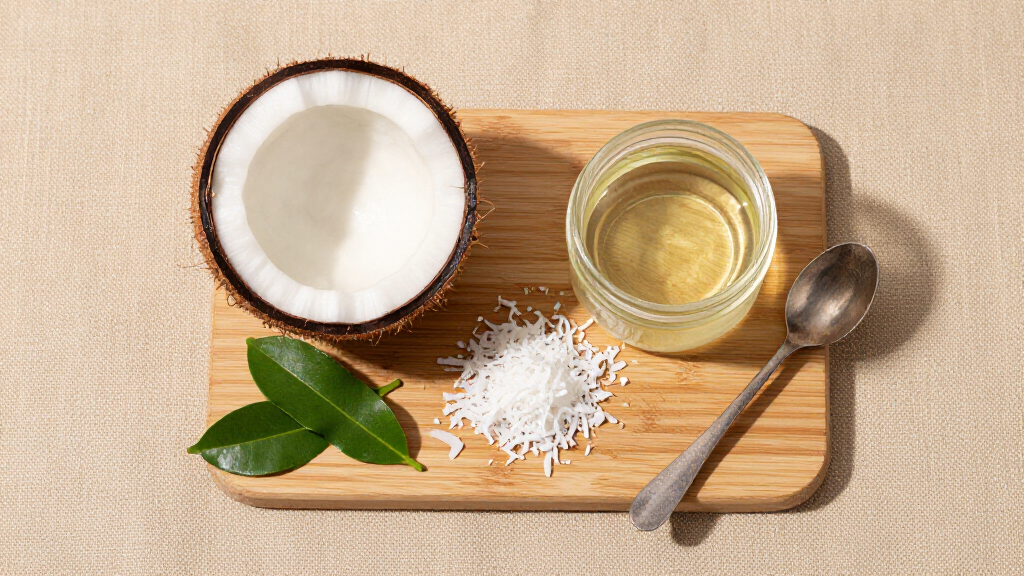
Recent culinary analyses and expert interviews affirm that coconut, whether in the form of grated flesh, coconut milk, or oil, is indispensable in preparing authentic beef rendang. The coconut’s natural oils and fibers help develop the dish’s rich, complex flavor profile and tenderize the beef during slow cooking. Chefs and food historians emphasize that the use of coconut distinguishes rendang from other curries, providing a distinctive aroma and creaminess.
While traditional recipes specify the use of fresh or dried grated coconut and coconut milk, there is variation in preparation methods across regions. Some cooks prefer fresh coconut for a more intense flavor, while others rely on canned coconut milk for convenience. Experts note that the choice of coconut type influences the final texture and taste, but the inclusion of coconut remains a non-negotiable for authentic rendang.
Coconut’s Role in Preserving Culinary Heritage
This confirms that coconut is vital not only for flavor but also for maintaining the authenticity of beef rendang, a dish recognized globally as a culinary icon of Indonesia. Its inclusion preserves cultural identity and supports traditional cooking techniques. Understanding coconut’s importance can influence how chefs and home cooks approach rendang preparation, ensuring the dish’s heritage is upheld amid modern adaptations.Products Worth Considering

De’Longhi Classic Matte Black Espresso Machine with Milk Frother

De'Longhi Linea Classic Espresso Machine with Adjustable Milk Frother

Le Creuset Signature Enameled Cast Iron Round Dutch Oven, 5.5 qt, Deep Teal
As an affiliate, we earn on qualifying purchases.
Historical and Cultural Importance of Coconut in Rendang
Beef rendang originated from the Minangkabau people of West Sumatra and has been a staple in Indonesian cuisine for centuries. Traditionally, coconut was readily available in the region and became integral to the recipe, not only for flavor but also for its preservative qualities in tropical climates. Over time, rendang gained international recognition, with coconut remaining a core ingredient despite modern variations.
Recent culinary studies and cultural analyses reinforce that the use of coconut in rendang reflects a deep-rooted culinary tradition that emphasizes local ingredients and methods. The dish’s slow-cooked process allows the coconut’s oils to infuse the beef, creating its characteristic richness. This historical context underscores why coconut’s role is considered fundamental to the dish’s identity.
“The use of coconut in rendang is a tradition that has been passed down for generations, essential for both flavor and preservation.”
— Dr. Agus Setiawan, food historian
Uncertainties About Coconut Variants and Preparation Methods
It is not yet clear which specific type of coconut—fresh, dried, or processed—most significantly impacts the authenticity and flavor of rendang. Variations in preparation methods across regions and households continue to exist, and scientific studies comparing these methods are limited.
Additionally, the influence of coconut quality and processing on the final dish remains an area for further research. It is also uncertain how modern substitutes might alter the traditional flavor profile.
Future Research and Standardization in Rendang Preparation
Further culinary research is expected to explore the precise role of different coconut types and processing techniques in rendang. Chefs and food scientists may develop standardized guidelines to preserve authenticity while accommodating modern kitchens. Additionally, cultural preservation efforts could focus on promoting traditional coconut-based methods.
Expect culinary workshops, recipe publications, and possibly certification standards emphasizing coconut’s role in authentic rendang in the coming years.
Key Questions
Why is coconut considered essential to beef rendang?
Coconut provides the dish with its distinctive aroma, flavor, and creamy texture, and historically helps preserve the meat during slow cooking, making it a core ingredient.
Can rendang be made without coconut?
Traditional rendang relies heavily on coconut for authenticity. While adaptations exist, they may lack the true flavor and texture of the original dish.
What types of coconut are used in rendang recipes?
Both fresh grated coconut and coconut milk are common, with regional preferences influencing the choice. The specific type affects flavor intensity and texture.
Does the use of coconut vary across regions?
Yes, regional variations in Indonesia and neighboring countries influence how coconut is incorporated, but its presence remains a defining feature of authentic rendang.
Will future rendang recipes continue to use coconut?
It is likely, as coconut is deeply embedded in the dish’s cultural heritage, though some modern adaptations may experiment with alternatives.
Source: rss