TL;DR

Get baking supplies delivered free with Prime
- Fast, free delivery on millions of items
- Prime Video, Amazon Music and more included
- Member-only deals all year
Dipping pretzels in an alkaline solution raises the dough’s pH, accelerating browning and creating their iconic glossy, chewy crust. This simple step is key to authentic pretzel flavor and appearance, with variations depending on the solution used and dipping time.
Ever wonder why pretzels look so different from regular bread? It’s not just the shape or the baking time, but a secret step: dipping the shaped dough in an alkaline solution before baking. That quick, simple move transforms the crust from dull and pale to shiny, dark, and irresistibly chewy.
In this guide, you’ll learn exactly how that alkaline dip works, what it does to the dough’s surface, and how you can perfect it at home. No fancy equipment needed—just a few ingredients and some careful timing. Ready to turn ordinary dough into a pretzel masterpiece? Let’s get started.
The alkaline dip raises the dough’s surface pH, accelerating Maillard browning and creating the iconic dark, glossy pretzel crust.
Lye produces the most authentic pretzel color and flavor, but baked baking soda is a safer, still effective alternative.
Timing matters: a quick dip (about 30 seconds to 1 minute) strikes the perfect balance between color and flavor without overpowering alkalinity.
High oven temperatures and dough composition also influence crust color, texture, and flavor—manage both for best results.
Safety is key: handle lye carefully with gloves, goggles, and proper ventilation. Never use industrial-grade lye in your kitchen.
The Pretzel Trick: Why the Dip Makes the Crust
A quick alkaline bath raises the dough’s surface pH, turning ordinary bread into a pretzel with a glossy mahogany shell, chewy bite and deeply roasted flavor.
Enough surface treatment for color and shine without an overpowering alkaline edge.
About 230°C—the fast oven heat sets and colors the treated surface.
Higher alkalinity makes amino acids and sugars react more readily.
Four changes happen at the surface
The dip does more than make bread darker. It modifies the dough’s outermost layer, creating a surface that reacts, sets and tastes differently from an untreated loaf.
Surface pH rises
The alkaline solution changes the chemical environment of the dough’s thin outer layer.
Proteins react
Protein components become more available to react with reducing sugars during baking.
Starch forms a skin
Moisture and heat help gelatinize surface starch into a smooth, firm, glossy layer.
Flavor compounds bloom
Rapid Maillard reactions create mahogany pigments and complex roasted aromas.
Lye sets the benchmark
More alkalinity means more pretzel character. Baking soda is approachable, baked baking soda closes the gap, and food-grade lye gives the classic Laugenbrezel finish.
| Dip type | Color | Surface | Flavor | Authenticity |
|---|---|---|---|---|
| Food-grade lye | Deep mahogany | Glossy, thin shell | Pronounced, roasted | ✓ Gold standard |
| Baked baking soda | Medium to dark brown | Firm, moderate gloss | Distinct but milder | ~ Close alternative |
| Baking-soda solution | Light brown | Softer, bread-like | Mild | ~ Home friendly |
| No alkaline dip | Pale | Matte, soft | Ordinary bread | ✗ Not characteristic |
A dip, not a long boil
Traditional lye pretzels need only brief surface contact. Prolonged boiling gelatinizes more starch and creates the thicker, denser skin associated with bagels.
30–60 seconds
Brief contact gives balance: clear gloss, deep color and a crisp-to-chewy crust without excessive bitterness or surface damage.
Contact time changes the outcome
Drain well and allow the dipped surface to dry briefly. This encourages an even, clean sheen rather than patchy browning.
Six variables shape the final crust
The dip is crucial, but it works as part of a system. Strength, time, moisture, scoring, heat and dough composition all affect the finished pretzel.
Solution alkalinity
Stronger solutions brown faster and darker, but excess strength can bring bitterness.
Surface contact
Too little produces weak color; too much can damage the surface and overwhelm flavor.
Drain and dry
Removing excess liquid supports an even, glossy finish and controlled crust setting.
Score after dipping
The slash exposes pale interior dough, creating the classic burst against dark crust.
Hot, fast bake
High heat sets the treated shell quickly and intensifies roasted color and aroma.
Protein and sugars
Protein, fermentation, hydration and fat influence both browning and chewiness.
Lye demands kitchen discipline
Use only food-grade sodium hydroxide. Concentrated lye is caustic and can burn skin and eyes. Drain cleaner and industrial products are never suitable for food.
Wear chemical-resistant gloves and eye protection throughout mixing and dipping.
Add lye slowly to water—never pour water onto concentrated lye.
Choose stainless steel or suitable heavy-duty plastic. Avoid aluminum.
Work with good ventilation, prevent splashes and keep children and pets away.
Why the alkaline dip turns plain dough into a pretzel masterpiece
The alkaline dip is the magic behind the pretzel’s deep mahogany color and glossy surface. It raises the pH of the dough’s outer layer, which fundamentally changes how the surface reacts during baking. This shift in pH accelerates the Maillard reaction—a complex chemical process responsible for browning and flavor development—allowing the crust to develop its rich color faster and more evenly. The higher pH also influences protein and sugar interactions, creating a more aromatic and flavorful crust.
By increasing the surface pH, the dip effectively modifies the surface chemistry, making the crust more receptive to browning. This is why pretzels dipped in lye or baked baking soda develop that characteristic dark, shiny appearance. Without this chemical intervention, the crust would brown more slowly, resulting in a duller, softer crust with less flavor complexity. The tradeoff is that stronger alkaline solutions, like lye, require careful handling but yield the most authentic and visually striking results. Understanding this chemical change highlights why the alkaline dip is so crucial—it’s not just for appearance but for the flavor and texture that define a true pretzel.
Products Worth Considering

Vitamix Propel Series 510 Professional-Grade Blender, 3 Programs, Black

Vitamix Propel Series 750 Professional-Grade Blender, 4 Programs, Black
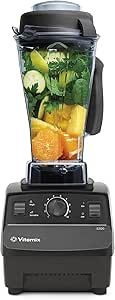
Vitamix 5200 Professional-Grade Blender, 64 oz. Container, Black
As an affiliate, we earn on qualifying purchases.
Lye vs. baking soda: Which creates the real pretzel crust?
| Dip Type | Typical Result |
|---|---|
| Food-grade lye | Deep mahogany, glossy, thin crust with pronounced pretzel flavor |
| Baking-soda solution | Lighter brown, softer crust, milder flavor |
| Baked baking soda | Intermediate browning, more alkaline than raw baking soda |
| No alkaline dip | Pale, matte, with little characteristic flavor |
Using lye creates the most authentic pretzel look and flavor because it provides a strong alkaline environment that maximizes Maillard browning and flavor development. Baking soda, while safer and easier to handle, offers a compromise—it produces a lighter crust with less intense color and a milder taste because it doesn’t raise the pH as dramatically. Baked baking soda, which undergoes heat activation, provides a middle ground by increasing alkalinity without the hazards of raw lye, but it still doesn’t quite match the depth of flavor and appearance achieved with lye. The choice reflects a balance between safety, convenience, and authenticity; understanding these tradeoffs helps bakers decide which method aligns with their comfort level and desired results. Recognizing that the pH level directly influences browning and flavor underscores why lye remains the gold standard for an authentic pretzel crust—its ability to produce that iconic dark, glossy finish is unmatched, but safety precautions are essential.
How boiling or dipping time influences your pretzel’s crust
Many home recipes call for boiling pretzels in baking-soda water—like bagels—but traditional pretzels usually just get a quick dip in the alkaline solution. The timing of this dip is critical because it directly affects the crust’s final appearance and texture. A short dip—around 30 seconds to 1 minute—allows the alkaline solution to modify the surface chemistry sufficiently, encouraging rapid browning and a shiny, crisp crust without over-alkalizing the dough. This balance ensures the crust develops that characteristic sheen and deep color while maintaining a tender interior.
If you dip too long, the alkaline environment can become overpowering, leading to an overly dark or even bitter crust, which can detract from the pretzel’s flavor and appearance. Excessive dipping can also weaken the dough’s structure, causing it to become overly brittle or develop an undesirable texture. Conversely, a too-brief dip may result in a dull, pale crust lacking the signature gloss and deep coloration. Achieving the right timing is a matter of understanding how the alkaline solution interacts with the dough surface—long enough to promote browning and flavor, but not so long that it compromises taste or texture. For example, a German-style pretzel is typically dipped briefly—just enough to coat the surface—before baking at high heat, which locks in that glossy, dark crust. Recognizing the importance of timing empowers bakers to fine-tune their process for the perfect balance of color, shine, and flavor.
What really determines the crust’s color and texture
The crust’s final look and feel depend on a complex interplay of factors, each influencing the chemical and physical changes during baking. The strength of the alkaline solution determines how aggressively the surface reacts—more alkaline solutions speed up browning and deepen the color, but overdoing it can introduce bitterness or a brittle crust. Contact time also matters; longer dips allow more surface modification, which enhances browning but risks over-alkalization. Oven temperature is crucial—higher temperatures around 450°F (230°C) promote rapid crust setting and deep coloration, but if too high, they can cause burning or uneven browning. Dough composition, especially protein content, influences how well the crust develops—higher protein levels promote better browning and a chewier texture, which is essential for an authentic pretzel bite. These variables are interconnected; for example, a strong alkaline solution combined with a high oven temp can produce a beautifully dark, crackly crust, but if not carefully managed, it can also lead to a bitter taste or burnt flavor. Practical understanding of these factors allows bakers to manipulate each element, balancing chemical reactions and baking conditions to achieve the desired crust color, texture, and flavor—culminating in that perfect pretzel appearance and mouthfeel.
Handling safety: How to work with lye without risking your skin or eyes
Food-grade lye is powerful and hazardous if mishandled, but with proper safety precautions, it can be used safely at home. Always wear chemical-resistant gloves and goggles to protect your skin and eyes from splashes. When mixing lye into water, add the lye slowly to water—not the other way around—to prevent violent reactions and splattering. Use nonreactive containers like stainless steel or heavy-duty plastic, and work in a well-ventilated area to avoid inhaling fumes. After dipping the pretzel, rinse it briefly under cold water to remove excess alkaline solution, then drain thoroughly before baking to prevent over-alkalization. Proper safety measures reduce the risk of burns or injuries, making the process manageable. Remember that lye reacts with aluminum, so avoid using aluminum pots or utensils. Understanding these safety protocols is essential—handling lye carefully transforms a potentially dangerous ingredient into a safe, effective tool that elevates your pretzel game without compromising your safety.
Modern tricks: How to get that traditional pretzel look at home
Many bakers now use three main methods: a cold lye dip, baked baking-soda solution, or a quick baking-soda bath. Each produces a different crust style but can all yield tasty pretzels. For the most authentic, traditional pretzel crust, a quick, cold lye dip—using food-grade lye diluted properly—is preferred because it creates that deep, shiny, dark crust characteristic of bakery-quality pretzels. This method ensures maximum browning and flavor development, closely mimicking professional results. If handling lye seems risky, baked baking soda offers a safer alternative: it’s easier to handle, requires less caution, and still produces a respectable crust, though it may lack the same depth of color and shine. To optimize results, measure your solutions precisely by weight rather than volume to ensure consistency. Also, dry the dipped surface briefly before baking to enhance the gloss and prevent sticking. These techniques allow home bakers to replicate the traditional pretzel appearance safely and effectively, bridging the gap between home baking and professional craftsmanship.
Frequently Asked Questions
Why does the dip make pretzels brown so much faster?
The dip raises the surface pH, which speeds up the Maillard reaction—the chemical process responsible for browning. This results in a darker, more complex crust compared to regular bread.
Can I skip the alkaline dip and still make pretzels?
You can, but they won’t have the traditional color, shine, or flavor. Without the alkaline treatment, pretzels tend to be paler, softer, and lack that distinctive roasted taste.
Is there a safe way to handle lye at home?
Yes. Use food-grade sodium hydroxide, always wear gloves and goggles, and add lye to water slowly. Work in a ventilated area and rinse pretzels thoroughly after dipping. Proper safety measures make this step manageable and safe.
How long should I dip my pretzels in the alkaline solution?
About 30 seconds to 1 minute is usually enough. Longer dips can lead to an overly alkaline taste or burnt crust. Keep an eye on the color and don’t overdo it.
Why do my pretzels turn out pale and dull?
Likely causes include a weak or cool alkaline solution, too short dipping time, low oven temperature, or excess moisture on the surface. Adjusting these factors can give you that shiny, dark crust.
Conclusion
The secret to that irresistible pretzel crust lies in one simple chemical step. A quick alkaline dip transforms ordinary dough into a shiny, dark, flavorful treat that’s impossible to resist.
Remember, mastering this step is about balance—timing, safety, and ingredients. Next time you bake pretzels, think of that brief, magical dunk as your ticket to authentic, bakery-quality results. Your taste buds will thank you.