TL;DR

Get baking supplies delivered free — and shop member deals
- Fast, free delivery on millions of items
- Access to Prime Big Deal Days deals on October 6–7
- Prime Video, Amazon Music and more included
Many starches besides cornstarch—like potato, tapioca, and rice—offer distinct textures, functions, and health benefits. Recent innovations improve sustainability and health impacts, making them vital in food and industry.
Think cornstarch is the only game in town? Think again. The world of starches is rich with options, each bringing its own flavor, texture, and purpose. From thickening sauces to creating eco-friendly packaging, these hidden starch heroes are shaping your meals and the environment.
Whether you’re a home cook experimenting with gluten-free baking or a product developer seeking sustainable ingredients, understanding the array of starches beyond cornstarch opens up new possibilities. Let’s explore what makes each one special and how recent innovations are changing their roles in your kitchen and industry.
Different starches like potato, tapioca, and rice each bring unique textures and functional benefits, making them versatile tools in your kitchen and for indus…
Resistant starches act as prebiotics, supporting gut health, and can be increased through simple cooking and cooling techniques.
Recent innovations focus on sustainability, with biodegradable starch-based bioplastics and minimally processed ingredients gaining popularity.
Choosing the right starch depends on your specific needs—consider texture, temperature, and health benefits for best results.
Understanding starch properties allows you to tweak recipes precisely, whether you want a clear gel, chewy texture, or gut-friendly benefits.
The Role of Starches Beyond Cornstarch
Potato, tapioca, rice and wheat starch are not interchangeable fillers. Each controls clarity, chew, stability, temperature response and even nutritional value—while a new generation of starch materials is reshaping packaging and manufacturing.
Meet the starch specialists
Granule size, plant origin and molecular structure determine how a starch behaves. The best choice starts with the desired result—not with whichever packet happens to be closest.
Potato
High viscosity and excellent clarity make it a strong choice for gravies, soups, fillings and gluten-free baking.
Tapioca
Its stretch and resilience produce the characteristic chew found in puddings, pearls and gluten-free breads.
Rice
Ultra-fine, light and generally hypoallergenic, rice starch suits baby foods, delicate coatings and cosmetics.
Wheat
A versatile baking, brewing and thickening ingredient associated with elastic, resilient food structures.
Texture starts with temperature
Gelatinization is the point at which starch granules absorb water and thicken. Small temperature differences can change clarity, viscosity and the final mouthfeel.
| Starch | Best use | Texture impact | Gel temp | Clear finish | Gluten-free |
|---|---|---|---|---|---|
| Potato | Gravies, sauces | Glossy, smooth | 140°F / 60°C | ✓Strong | ✓Yes |
| Tapioca | Puddings, GF bread | Chewy, elastic | 160°F / 71°C | ✓Strong | ✓Yes |
| Rice | Baby food, cosmetics | Fine, light | 140°F / 60°C | ~Moderate | ✓Yes |
| Wheat | Baking, brewing | Elastic, chewy | 150°F / 66°C | ✗Limited | ✗No |
The fiber-like starch that reaches the colon
Resistant starch avoids digestion in the small intestine. It arrives in the colon intact, where beneficial microbes can ferment it—linking preparation methods with digestive and metabolic health.
A familiar carbohydrate with a different destination
Potential benefits include support for beneficial gut bacteria, improved digestive function and a more measured blood-sugar response.
Cook
Heat potatoes, rice or pasta until the starch gelatinizes.
Cool
Cooling allows some starch chains to reorganize.
Resist
Retrograded starch becomes less digestible upstream.
Feed
Gut microbes receive a fermentable prebiotic substrate.
From pantry tool to platform material
New processing techniques tailor starch performance for demanding food systems, while responsible sourcing and biodegradable materials expand its role beyond the kitchen.
Modified starches
Physical, enzymatic or chemical treatment can improve heat, acid and freeze-thaw stability—supporting consistency and reducing waste.
Minimal processing
Organic, non-GMO and sustainably farmed sources respond to demand for simpler labels, transparency and responsible ingredient systems.
Starch bioplastics
Biodegradable starch-based materials can serve packaging, single-use goods and textiles while reducing dependence on fossil-derived plastics.
Choose potato starch.
Choose tapioca starch.
Choose rice starch.
Choose wheat starch.
Explore resistant starch.
Choose by outcome, not habit
Texture, temperature, dietary needs and processing conditions form a practical selection framework for both home kitchens and industrial product development.
Every starch brings a distinct functional signature.
Clarity, viscosity, elasticity and fineness vary by source.
Cooking and cooling can change nutritional behavior.
Retrogradation can increase the resistant fraction of familiar foods.
Sustainability is expanding starch beyond food.
Bioplastics, coatings, binders and textiles create new material pathways.
The right choice balances performance and dietary context.
Consider gluten, processing temperature, appearance and desired texture.
Understanding starch properties turns trial and error into precise formulation.
A clear gel, resilient crumb or health-oriented product begins with matching molecular behavior to the intended result.
Discover the Main Types of Starches and What Makes Them Unique
When you think of starches, cornstarch might pop up first. But other sources—like potato, tapioca, rice, and wheat—each have their own story. Potato starch offers a glossy, thick gel perfect for gluten-free baking, while tapioca starch from cassava provides that signature chewy texture in puddings and bubble tea.
Rice starch is ultra-fine and hypoallergenic, making it ideal in baby foods and cosmetics. And wheat starch plays a key role in bread-making and brewing, thanks to its gluten content. Each type varies in gelatinization temperature, viscosity, and texture—think of them as culinary tools with different specialties.
Understanding these differences is crucial because they influence the final product’s quality, appearance, and texture. For instance, choosing the right starch can mean the difference between a cloudy, unappealing sauce and a clear, glossy one. Recognizing their unique properties helps you optimize recipes for specific outcomes, whether aiming for a delicate, smooth consistency or a chewy, resilient texture. This knowledge empowers chefs and product developers to make informed decisions that enhance both functionality and sensory appeal.
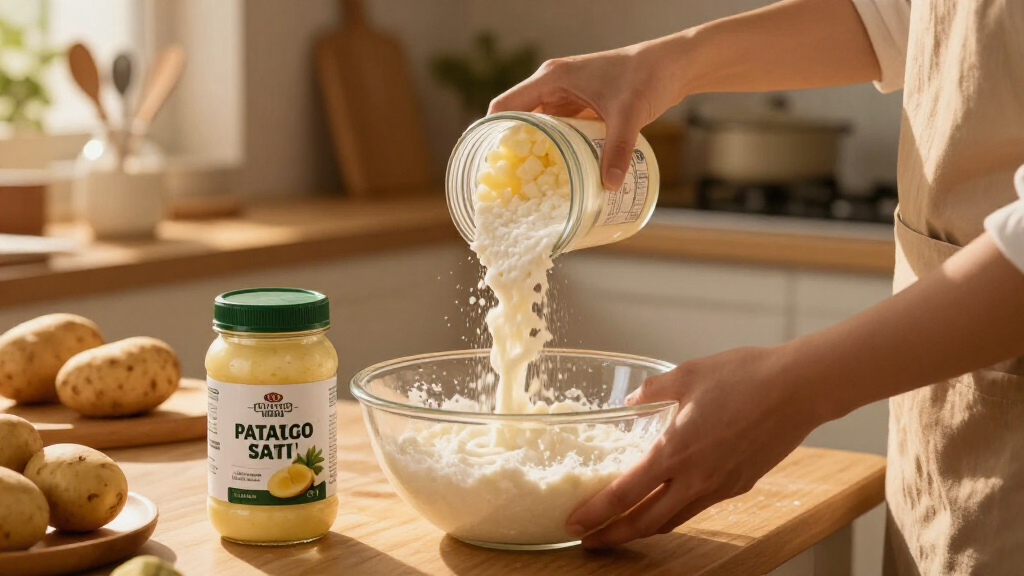
potato starch for thickening sauces
As an affiliate, we earn on qualifying purchases.
As an affiliate, we earn on qualifying purchases.
How Different Starches Affect Texture and Cooking
Starches influence how food feels and holds together—think of them as the backbone of many recipes. Potato starch creates a silky, transparent gel that thickens sauces without cloudiness. Tapioca starch adds chewiness and elasticity, perfect for pies and bread.
Here’s a quick comparison:
| Starch Type | Best Use | Texture Impact | Gelatinization Temp |
|---|---|---|---|
| Potato starch | Gravies, sauces | Glossy, smooth | 140°F (60°C) |
| Tapioca starch | Puddings, gluten-free bread | Chewy, elastic | 160°F (71°C) |
| Rice starch | Baby foods, cosmetics | Fine, light | 140°F (60°C) |
| Wheat starch | Baking, brewing | Elastic, chewy | 150°F (66°C) |
Knowing these properties allows you to tailor your cooking process. For example, selecting potato starch for clear, glossy sauces ensures visual appeal and thickening efficiency without cloudiness. Conversely, using tapioca for gluten-free bread imparts a desirable chewiness and resilience, which are often challenging to replicate in gluten-free baking. Recognizing these tradeoffs helps you balance texture, appearance, and stability, leading to consistently successful results in both culinary and industrial applications.
As an affiliate, we earn on qualifying purchases.
Resistant Starches: The Gut-Friendly Powerhouses
Resistant starches are a game-changer because they resist digestion in your small intestine. This means they reach your colon intact, acting as prebiotics—fuel for beneficial gut bacteria. The health implications are significant: improved digestion, enhanced immune function, and better blood sugar regulation. Recognizing why resistant starches matter involves understanding their dual role as both functional ingredients and health-promoting components.
For example, cooking and then cooling potatoes or pasta increases their resistant starch content. This simple technique transforms everyday foods into gut-friendly options, offering a practical way to boost your diet’s fiber content without changing flavors or textures dramatically. The increased presence of resistant starches can support a healthy gut microbiome, which has been linked to reduced inflammation, better nutrient absorption, and even mental health benefits. These insights matter because they connect food choices directly to long-term health outcomes, emphasizing the importance of understanding how processing methods influence nutritional profiles.
Incorporating resistant starches into your meals is more than just a trend; it’s a strategic move toward better health. By choosing to prepare dishes that naturally boost resistant starch levels, you can improve digestion and blood sugar control, making your diet both delicious and functional. This understanding encourages a mindful approach to food preparation, where simple techniques unlock significant health benefits.
As an affiliate, we earn on qualifying purchases.
Innovations Making Starches Smarter and More Sustainable
Recent advances are pushing starch applications forward. Modified starches, processed through physical, enzymatic, or chemical methods, now serve specific industrial needs—like heat or acid stability, or improved freeze-thaw resilience. These modifications enable starches to perform reliably under various processing conditions, reducing waste and improving product consistency. The implications are significant: manufacturers can produce shelf-stable, visually appealing products with fewer additives, and consumers benefit from cleaner labels.
Meanwhile, there’s a big push toward sustainable sourcing. Organic, non-GMO, and sustainably farmed starches are gaining popularity, reflecting a growing consumer demand for transparency and environmental responsibility. Additionally, innovative companies are developing biodegradable starch-based plastics—bioplastics—that break down naturally, reducing reliance on fossil fuels and decreasing plastic waste. These bioplastics can be used in packaging, single-use items, and even textiles, offering a greener alternative with comparable performance.
The broader impact of these innovations extends beyond environmental benefits. They signal a shift toward more responsible manufacturing and consumption practices, aligning industry trends with ecological and health-conscious values. As these technologies mature, expect to see more products that not only meet functional needs but also contribute to a sustainable future, making starch a key ingredient in eco-friendly solutions.
resistant starch dietary supplement
As an affiliate, we earn on qualifying purchases.
As an affiliate, we earn on qualifying purchases.
What You Should Know About Using Starches in Your Kitchen and Beyond
Choosing the right starch depends on your goal—whether thickening, texturing, or health benefits. For example, if you want a clear, glossy sauce, potato starch works well because it creates a smooth, shiny appearance and thickens efficiently at relatively low temperatures. For chewy gluten-free baked goods, tapioca starch offers elasticity and resilience, but it requires careful balancing with other ingredients to avoid overly gummy textures. Recognizing these nuances helps prevent common pitfalls like cloudiness, graininess, or undesirable mouthfeel.
Keep in mind, some starches are sensitive to temperature and pH. Overheating can break down certain starches, leading to thinning or disharmony in texture. Similarly, acidic environments may weaken some starch gels. Reading labels and testing small batches before large-scale use can save you from costly mistakes. Proper storage—keeping starches in a cool, dry place—maintains their efficacy over time, ensuring consistent results. In industrial settings, modifications tailor starch properties to specific needs, but in your kitchen, understanding these basic principles allows for smart substitutions and adjustments that elevate your cooking. This knowledge empowers you to experiment confidently, achieving desired textures and health benefits with minimal waste and maximum satisfaction.
Frequently Asked Questions
Can I substitute potato starch for cornstarch in recipes?
Yes, in many cases you can swap potato starch for cornstarch, especially in thickening sauces or baking. Keep in mind, potato starch thickens at a slightly lower temperature and may give a different clarity and texture. Testing small batches helps perfect the substitution.
Are all starches gluten-free?
Most starches like potato, tapioca, and rice are naturally gluten-free, making them great for gluten-sensitive diets. However, wheat starch contains gluten, so check labels if you need a strict gluten-free option.
How do resistant starches improve digestion?
Resistant starches pass through your small intestine undigested, acting as food for beneficial gut bacteria. This fermentation process produces short-chain fatty acids, which support gut lining health and may improve insulin sensitivity.
What are some eco-friendly uses of starches outside food?
Starches are being used to create biodegradable plastics, packaging, and even eco-friendly textiles. These applications help reduce reliance on fossil fuels and decrease plastic waste, making starch a key player in sustainable development.
Conclusion
Starches are far more than just cornstarch. Their diversity, health benefits, and recent innovations make them powerful ingredients—whether in your kitchen or industry. Embrace the variety, and you’ll discover new textures, flavors, and sustainable solutions.
Next time you reach for a thickener or ingredient, consider exploring these underappreciated starches. Your food and the planet will thank you for it.
Fall Picks
fall essentials
As an affiliate, we earn on qualifying purchases.