
TL;DR

Get baking supplies delivered free with Prime
- Fast, free delivery on millions of items
- Prime Video, Amazon Music and more included
- Member-only deals all year
Most baking mistakes can be corrected with quick fixes or creative reuse. Assess what went wrong, try targeted repairs, or repurpose your baked goods to avoid waste and enjoy delicious results.
Baking mishaps happen to everyone. Maybe your cake sank in the middle, or your cookies spread too thin. But with a little know-how, you can rescue that bake—no need to toss it out. Sometimes, a small tweak or a creative reimagining can turn a disaster into a new favorite.
Whether it’s an overbaked loaf, a collapsed pie, or cookies that went flat, this guide will give you practical strategies to fix or repurpose your baked goods. Because in baking, mistakes are just opportunities in disguise.
Always diagnose the cause of the failure before fixing—identifying the root problem leads to better solutions.
Quick fixes like trimming, reheating, or frosting can save many baked goods from total waste.
Don’t be afraid to repurpose overbaked or failed items into new treats—crumbling cookies, bread pudding, or layered desserts work wonders.
Use a reliable oven thermometer to prevent temperature-related failures.
Rest and cool baked goods properly to avoid cracks, collapse, or dryness.
How to Spot What Went Wrong Before You Fix It
Before attempting a rescue, identify what caused the problem. Did your cake sink because of too much leavening or underbaking? Did your cookies spread because of too much butter or warm dough? Recognizing the issue is half the fix.
Look at your baked good: Is it undercooked in the center? Does it smell burnt at the edges? Is it dense or crumbly? Pinpointing these clues helps you choose the right rescue method.
For example, if your cake is underdone, it’s often because of insufficient baking time or oven temperature. If it’s collapsed, it might be due to overmixing or too much leavening. Making this call is key to fixing it effectively.
Products Worth Considering

Le Creuset Signature Enameled Cast Iron Round Dutch Oven, 5.5 qt, Deep Teal

Le Creuset Enamemed Cast Iron Oval Dutch Oven, 5 qt., White/Crucible

Le Creuset Enameled Cast Iron Round Dutch Oven, 5.5 Qt, Flame
As an affiliate, we earn on qualifying purchases.
Quick Fixes for Common Baking Disasters
Some failures are easily reversible. Here are the most common problems and how to fix them fast:
- Undercooked center: Return the baked good to the oven for a few extra minutes, covered if needed to prevent burning. Use a toothpick or skewer to check doneness.
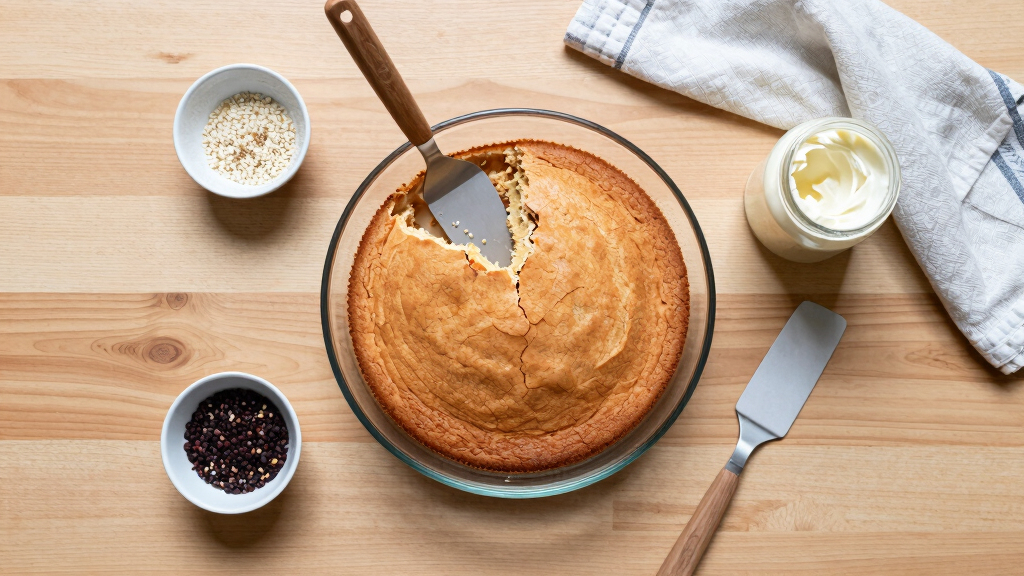
- Sinking or collapse: Reinforce with frosting, or turn it into a layered trifle. If it’s a pie, add a topping or crumble to mask the flaw.
- Burnt edges: Trim off the burnt parts with a serrated knife or peel away the charred surface. Focus on saving the good parts.
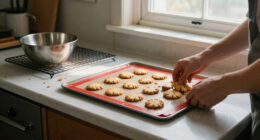
- Cookies spreading too much: Chill dough for 30 minutes before baking, or reduce butter slightly in your next batch.
These fixes save time and ingredients, turning a potential waste into something edible or even delicious.
Transforming Failures into Delicious New Creations
Sometimes, the best rescue is a creative reimagining. Overbaked cookies? Crush them into crumbs for toppings or crusts. A flat cake? Turn it into bread pudding or trifle layered with fruit and cream. Burnt edges? Use the good part as a base for parfaits.
For instance, a batch of cookies spread too thin can become a crunchy topping for yogurt or ice cream. An overbaked loaf of bread works beautifully as croutons or bread crumbs.
Think of your failed baked goods as raw material. With a little imagination, you can create new, tasty treats—saving money and reducing waste in the process.
Tools and Techniques to Prevent Future Baking Blunders
Prevention beats rescue every time. Use an oven thermometer to keep your oven at the right temperature—many home ovens are off by 10-20°F. Measure ingredients carefully, especially leavening agents, to avoid over- or under-rising.
Tip: Rest your dough for at least 15 minutes before baking to improve texture and rise. Cool baked goods slowly to prevent cracks or collapse. And always check for doneness with a toothpick or thermometer.
For example, if your bread didn’t rise, it might have been baked at too low a temperature or without enough proofing time. Small adjustments here make a big difference.
Comparison Table: Repair vs. Reuse — When to Fix and When to Reimagine
| Scenario | Quick Fix | Creative Reuse |
|---|---|---|
| Undercooked cake | Return to oven briefly | Layer with frosting, turn into trifle |
| Burnt edges | Trim off burnt parts | Use the good part for crumbles or toppings |
| Cookies spread too much | Chill dough, adjust baking temp | Crumble into toppings or crusts |
| Overbaked bread | Slice and toast, make croutons | Crumbled into bread pudding or stuffing |
Frequently Asked Questions
My cake sank in the middle—what can I do to fix it?
If your cake sinks, it often means it didn’t bake long enough or the oven temperature was too high. To fix it, try rebaking the cake for a few extra minutes or turning it into a trifle layered with cream and fruit. You can also cut out the sunken part and use the rest for a layered dessert.
The edges are burnt but the center is undercooked—how can I rescue it?
Trim away the burnt edges with a serrated knife to salvage the good part. If the center is undercooked, cover the top with foil and return it to the oven for a few more minutes. Alternatively, turn it into a bread pudding or crumble to hide imperfections.
My cookies spread too much—how do I prevent this next time?
Chill the cookie dough for at least 30 minutes before baking to tighten the fat. Reduce the butter slightly or increase the flour for more structure. Using parchment paper and avoiding overmixing also help keep cookies from spreading.
My bread didn’t rise—what went wrong?
Underproofed dough, too low baking temperature, or expired yeast could cause poor rise. To fix future loaves, proof your dough until it doubles in size, bake at the right temperature, and use fresh yeast. A quick fix is to bake the dough in a covered pot to trap steam and help it rise.
Can I still eat a baked good that’s overbaked or burnt?
Overbaked or burnt parts should be trimmed away. If the interior is dry but not burnt, it’s still edible—consider turning it into crumbs or croutons. For heavily burnt items, it’s safer to discard to avoid ingesting burnt flavors or compounds.
Conclusion
The next time your bake goes sideways, remember: a calm assessment and a creative mindset turn failures into wins. Sometimes, all it takes is a small tweak or a new idea to transform a mistake into a delightful new treat.
So, keep experimenting and don’t toss that imperfect bake just yet. With patience and a dash of ingenuity, you can rescue or reimagine almost anything—your kitchen’s your workshop, not a disaster zone.