
TL;DR
Bread stales mainly due to starch recrystallization called retrogradation, which makes it drier and firmer. Refrigeration accelerates this process, but freezing or reheating can help restore some softness. Proper storage methods can significantly slow down staling, saving you from wasted bread.
Ever grabbed a slice of bread, only to find it’s gone from soft and fresh to dry and crumbly within days? That’s not just bad luck—there’s real science behind why bread goes stale. Understanding what’s happening at the molecular level can help you keep your bread tasting fresh longer, without resorting to artificial preservatives or gimmicks.
In this guide, you’ll learn why bread stales, how different storage methods influence the process, and simple tricks to slow it down. Whether you bake at home or buy bread from the store, these insights will help you enjoy your bread at its best, longer.
Staling is caused by starch molecules recrystallizing, which makes bread dry and firm.
Refrigeration accelerates staling; freezing halts it and can be reversed by reheating.
Proper storage—like paper bags at room temp or freezing—is the best way to slow staling.
Reheating bread temporarily reverses staling by melting crystalline starch structures.
Adding fats or emulsifiers can help keep bread soft longer, especially in commercial baking.
What Really Causes Bread to Go Stale?
When bread is fresh, its starch molecules are gelatinized—soft, swollen, and holding onto water. As time passes, these starches undergo a process called retrogradation. This is when the starch molecules, mainly amylose and amylopectin, start to recrystallize, pushing out water and making the bread firm and dry.
Imagine a sponge drying out—water escapes, and the structure tightens. That’s exactly what happens at the microscopic level. The more the starch molecules crystallize, the less moist and tender the bread feels.
For example, leaving bread on the countertop in a paper bag allows some moisture exchange, but refrigeration speeds up retrogradation, turning your bread into a hard, crumbly version of its former self within a few days.
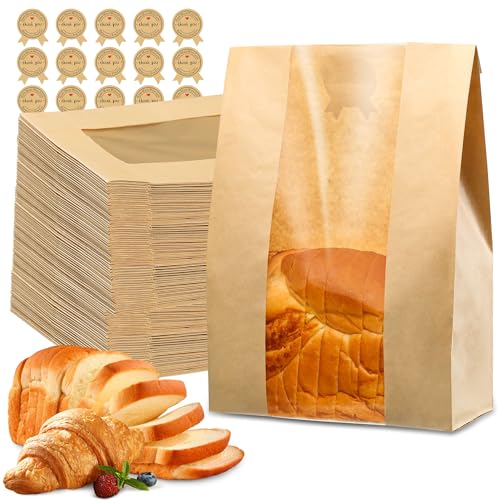
50 Pcs Bread Bags for Homemade Bread, Sourdough Paper With Window, 50% Thicker 13.7×8.2×3.7in A Large Bakery Bags Used for Storage Cookies & Snacks, 60 Cute Sealing Stickers With Ties
50% THICKER:The perfect large bread bag measures 13.7*8.3*3.7in, 50 pieces, weighs about 22.7 ounces, and is 50% thicker…
As an affiliate, we earn on qualifying purchases.
As an affiliate, we earn on qualifying purchases.
How Temperature Slows or Accelerates Staling
Temperature plays a big role in bread staling. Cold temperatures—like your fridge—speed up starch retrogradation. That’s why bread stored in the fridge often feels stale after just one or two days.
On the flip side, freezing bread halts the recrystallization process almost entirely. When you thaw frozen bread, it can regain some of its original softness because the recrystallized starch melts back into a less ordered, more amorphous form.
Think of it like a slow-motion freeze frame—frozen bread isn’t technically ‘stale’ yet. It’s just waiting for a warm-up to rehydrate and soften.

Lesibag Plastic Bread Bags for Homemade Bread, Freezable Seal Tight Bakery Bags with Clear Window for Loaves, Sourdough,Bagels (50 Packs) White-13.8" x 11.8"
【Safe & Food Grade Material】This portable zipper toast bag is made up of BPA FREE approved raw materials….
As an affiliate, we earn on qualifying purchases.
As an affiliate, we earn on qualifying purchases.
Comparison Table: Storing Bread the Right Way
| Storage Method | Effect on Staling | Best For |
|---|---|---|
| Room Temperature (paper bag) | Slows moisture loss, moderate retrogradation | Short-term, 1-2 days |
| Plastic Bag (sealed) | Retains moisture, slows drying but may encourage mold | Several days, if mold isn’t a concern |
| Freezer | Halts staling, preserves freshness | Long-term storage |

Elite Gourmet 2-Slice Cool Touch Toaster – 6 Browning Levels, Extra Wide 1.25” Slots for Bagels & Thick Bread, Cancel Function, Compact, ETL Certified, Black
EVEN, CUSTOMIZABLE BROWNING: 6 adjustable shade settings let you toast from lightly golden to crispy dark. Self-centering guides…
As an affiliate, we earn on qualifying purchases.
As an affiliate, we earn on qualifying purchases.
Simple Tricks to Keep Bread Fresher, Longer
If you want to extend the life of your bread, try these practical tips:
- Store at room temperature in a paper bag or bread box for 1-2 days. It maintains a good balance of moisture and air circulation.
- Freeze slices in a resealable bag. When needed, toast or reheat in the oven to revive some of that soft texture.
- Avoid refrigeration unless you plan to freeze for later. The cold accelerates starch retrogradation.
- Reheat smartly: warming bread in the oven at 350°F for 5-10 minutes melts recrystallized starch, making it taste freshly baked again.
- Use moisture-retaining packaging, like vacuum sealing, to slow moisture loss during storage.

Nedsewor 2 Pack Reusable Beeswax Bread Bags for Sourdough, 17inx13in Bread Bags for Homemade Bread, XL Natural Beewax Lined Bread Bag, Freezer Friendly Freshness Preservation for Food Storage
Reusable Plastic-Free Choice: Our beeswax bread bags offers Ideal bag for freshly baked bread/ sourdough bread and storage…
As an affiliate, we earn on qualifying purchases.
As an affiliate, we earn on qualifying purchases.
Why Reheating Can Reverse Staling’s Effects — Sometimes
Reheating bread can temporarily reverse staling because heat melts the recrystallized starch, reabsorbing some water and softening the crumb. But beware—overheating can dry out bread again.
For example, a quick 5-minute toast or warming in a low oven can revive the bread’s tenderness, making it taste almost fresh. Just remember, this is a temporary fix—staling can return if the bread sits out again.
This trick works because the heat disrupts the crystalline structure, giving you a few more hours of enjoyability.
The Role of Additives and Ingredients in Slowing Stale
Some commercial breads include ingredients that help delay staling. Fats, emulsifiers, and enzymes can interfere with starch recrystallization. For example, added fats form a barrier, reducing water loss and slowing the retrogradation process.
In homemade baking, using whole grains or adding a splash of oil can help keep bread softer longer. But keep in mind—these tweaks mainly benefit store-bought bread or recipes designed for longer freshness.
In the end, simple adjustments like adding a little fat or choosing whole grain flour can make a noticeable difference in how long your bread stays tender.
What Happens When You Slice Bread? Does It Stale Faster?
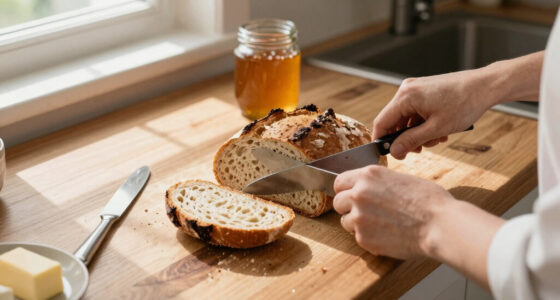
Slicing bread exposes more surface area, which speeds up moisture loss. That’s why sliced bread can go stale faster if not stored properly. An uncut loaf keeps moisture inside longer, staying softer for a day or two.
To minimize staling, store sliced bread in an airtight container or resealable bag, pressing out excess air. For longer storage, freeze sliced bread and toast slices directly from the freezer as needed.
So, if you love your bread sliced, plan to eat it within a day or two or freeze it to keep that fresh feeling longer.
Frequently Asked Questions
Why does bread go stale faster in the fridge?
Refrigeration accelerates starch retrogradation, causing the starch molecules in bread to recrystallize faster. This process makes bread turn hard and dry more quickly than at room temperature.
Can I revive stale bread?
Yes, reheating bread in the oven or toaster can temporarily reverse staling by melting recrystallized starch, restoring some softness. Just avoid overheating, which can dry it out again.
What’s the best way to keep bread fresh longer?
Store bread at room temperature in a paper bag or bread box for short-term freshness. For longer storage, freeze slices in a resealable bag, then toast or reheat as needed.
Do ingredients like fats help prevent staling?
Adding fats, emulsifiers, or enzymes can slow down starch recrystallization, keeping bread softer for longer. These are common in commercial bread recipes but can also be added in small amounts at home.
Does slicing bread affect how quickly it stales?
Yes, slicing exposes more surface area, leading to faster moisture loss. Keep sliced bread in an airtight container or freeze slices to extend freshness.
Conclusion
Next time you bake or buy bread, think about the science behind its texture. Store it wisely—preferably in a paper bag or freezer—and don’t be afraid to reheat for a quick revival. Understanding the chemistry makes it easier to enjoy bread at its best, slice after slice.
Because in the end, no matter how perfect your loaf, it’s the simple tricks and knowledge that keep it tasting fresh and delicious longer.