
TL;DR
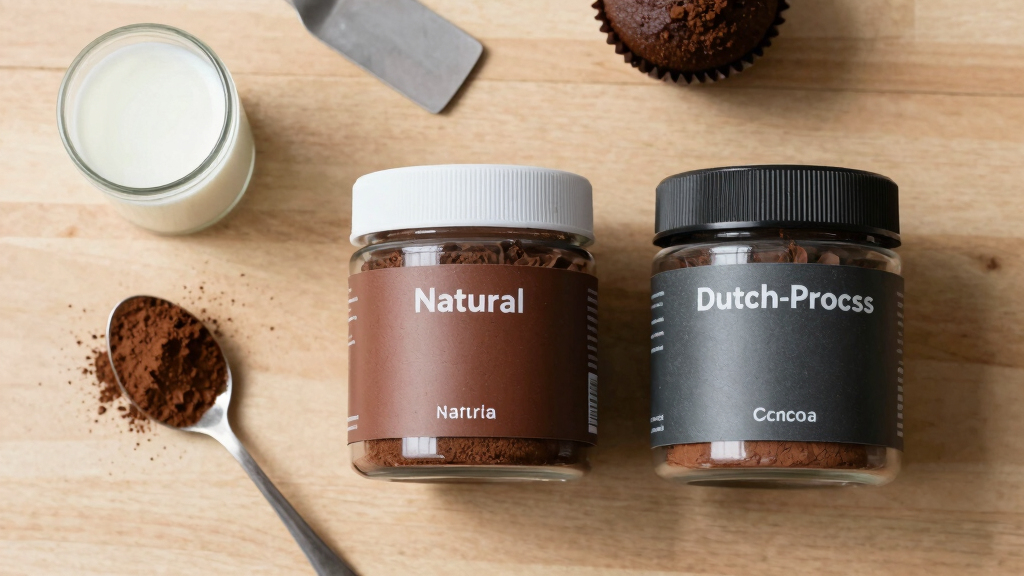
Natural cocoa powder is acidic and retains more antioxidants, ideal for baking soda recipes. Dutch-process is alkalized, milder, and better suited for baking powder. Your choice impacts flavor and leavening.
Ever wonder why some chocolate cakes taste brighter and tangier, while others have a smoother, richer cocoa flavor? The secret often lies in the type of cocoa powder used. Choosing between natural and Dutch-process isn’t just about color or brand; it’s about chemistry, flavor, and how your baked goods turn out.
In this guide, you’ll learn exactly what sets these two types apart, how they behave in recipes, and why making the right choice can make your baking more reliable and delicious. Think of it like selecting the right tool for a job — knowing the differences makes all the difference.
Choose natural cocoa for recipes needing baking soda to ensure proper rise and vibrant flavor.
Dutch-process cocoa’s milder, smoother taste suits recipes with baking powder or when a subdued cocoa flavor is desired.
Alkalization reduces antioxidants in Dutch-process cocoa, making natural cocoa the better choice for health-conscious baking.
Always check labels to confirm if your cocoa is natural or alkalized—it’s key for consistent results.
Experiment with both types to see how they affect your baked goods, especially when tweaking recipes.
What Exactly Is Natural Cocoa Powder — and Why It’s Slightly Acidic
Natural cocoa powder is made from roasted cocoa beans that are ground into a fine powder without any chemical treatment. It’s naturally acidic, with a pH around 5 to 6. That acidity gives it a bright, tangy flavor — almost fruity — and it reacts strongly with baking soda.
Imagine you’re baking a classic chocolate chip cookie. Using natural cocoa gives that lively, slightly sharp chocolate note. Plus, its acidity helps the baking soda produce the carbon dioxide needed to help your cookies rise.
A practical tip: if your recipe calls for baking soda, natural cocoa is usually the way to go. It’s the traditional choice for many baked goods, especially when you want a lively cocoa punch.

Hoosier Hill Farm Natural Cocoa Powder, Unsweetened, 1LB (Pack of 1)
1 lb. Natural Cocoa Powder in a resealable plastic jar.
As an affiliate, we earn on qualifying purchases.
As an affiliate, we earn on qualifying purchases.
Dutch-Process Cocoa: Milder, Darker, and Less Acidic
Dutch-process cocoa is treated with an alkalizing agent, like potassium carbonate, to neutralize its acidity. This process darkens the powder, deepening its color to almost black, and mellows out the flavor. Its pH hovers around 7 to 8, making it neutral or slightly alkaline.
Think of baking with Dutch-process as adding a smooth, chocolatey richness to your recipes. It’s less tangy but offers a more uniform, mellow taste. This makes it perfect for recipes that use baking powder, which doesn’t need acidity to work.
Imagine you’re making a rich, fudgy brownie. Using Dutch-process cocoa will give it that deep, velvety color and a more subdued, chocolatey flavor — almost like dark chocolate melting in your mouth.

Cocoa Powder (8 oz) Dutch Processed Cocoa Powder, Unsweetened, Extra Rich Cocoa Flavor, 22-24% Fat, Premium Culinary Grade, Non-GMO Sourced, Fair Trade Certified, Perfect Cocoa for Baking and Cooking
REACH YOUR RICHEST CHOCOLATE FLAVOR: Experience this cocoa powder's fabulous high fat content of 22-24% that'll give you…
As an affiliate, we earn on qualifying purchases.
As an affiliate, we earn on qualifying purchases.
How Natural and Dutch-Process Cocoa Differ — The Quick Comparison Table
| Feature | Natural Cocoa |
|---|---|
| Processing | |
| Acidity | Acidic, pH 5-6 |
| Flavor | Bright, tangy, fruity |
| Color | Light to medium brown |
| Best For | Baking soda recipes, lively flavor |
| Feature | Dutch-Process Cocoa |
|---|---|
| Processing | Alkalized, neutralized, pH 7-8 |
| Flavor | Rich, smooth, mild |
| Color | Dark brown to black |
| Best For | Baking powder recipes, uniform flavor |

Organic Cacao Powder, Unsweetened, 1 lb (454 g) – Rich Dark Chocolate Flavor, Perfect for Baking, Smoothies & Hot Chocolate – Vegan, Keto, Paleo, Non-GMO & Gluten-Free Cocoa Powder
ORGANIC CACAO POWDER – Experience decadent, rich, dark chocolatey goodness with our pure, organic cacao powder. The aroma…
As an affiliate, we earn on qualifying purchases.
As an affiliate, we earn on qualifying purchases.
Why Your Choice of Cocoa Powder Changes Your Baking Results
Pick natural cocoa when your recipe relies on baking soda. Its acidity kicks off a chemical reaction that helps baked goods rise and develop that lively cocoa flavor. Using Dutch-process in these recipes can lead to flat or dense results.
On the flip side, Dutch-process is perfect for recipes with baking powder or when you want a milder, more uniform chocolate flavor. It’s ideal for cakes, frostings, or hot chocolate where acidity isn’t needed to activate leavening.
For example, I once tried making a chocolate cake with Dutch-process cocoa expecting the same fluffy rise as with natural cocoa. The result? Denser crumb, because baking powder doesn’t react with Dutch-process. Lesson learned: match your cocoa to your leavening.
Organic Cacao Powder, Unsweetened, 1 lb (454 g) – Rich Dark Chocolate Flavor, Perfect for Baking, Smoothies & Hot Chocolate – Vegan, Keto, Paleo, Non-GMO & Gluten-Free Cocoa Powder
ORGANIC CACAO POWDER – Experience decadent, rich, dark chocolatey goodness with our pure, organic cacao powder. The aroma…
As an affiliate, we earn on qualifying purchases.
As an affiliate, we earn on qualifying purchases.
How to Pick the Right Cocoa Powder for Your Recipes — Step-by-Step
- Check your recipe: Does it call for baking soda or baking powder? Use natural cocoa for baking soda recipes.
- Read the label: Does it say ‘alkalized’ or ‘Dutch-process’? If yes, it’s Dutch-process.
- Think about flavor: Do you want a bright, tangy flavor or a smooth, mellow taste?
- Consider the color: Darker cocoa makes for richer-looking baked goods.
- Experiment: If unsure, try a small batch with both types and compare the results.
This simple process can save you from flat cakes or overly tangy cookies, turning your baking into a science you control.
Are There Health or Nutritional Differences? Yes — But What They Mean
Natural cocoa contains more flavonoids, which are antioxidants linked to heart health and anti-inflammatory benefits. During the alkalization process, Dutch-process cocoa can lose up to 60% of these antioxidants, according to some research [1].
This means if you’re after a boost of antioxidants, natural cocoa is the better choice. However, both types still provide essential minerals like magnesium, iron, and zinc.
So, while Dutch-process may not pack as many antioxidants, it still offers rich flavor and nutrients—just a little less health-focused.
Latest Trends and How They Influence Your Cocoa Choices
Consumers now seek transparency and minimally processed ingredients. Some brands highlight whether their cocoa is natural or Dutch-process, helping you make informed decisions. There’s also a rising interest in raw, unprocessed cocoa powders, often marketed as more healthful.
Many artisanal and specialty brands focus on preserving antioxidants by avoiding heavy alkalization. This shift means you can choose high-quality natural cocoa for both flavor and nutritional value, especially if you prioritize health benefits.
Imagine walking into a grocery store and seeing a clear label: ‘Made from minimally processed, natural cocoa beans.’ That’s a sign of how the market is evolving.
Frequently Asked Questions
Can I use Dutch-process cocoa in recipes that call for natural cocoa?
Not always. If your recipe relies on baking soda, natural cocoa is needed for the acidity to activate leavening. Using Dutch-process may result in a dense, flat baked good. However, for recipes with baking powder, you can often substitute Dutch-process without issues.
Does Dutch-process cocoa taste different?
Yes. It’s milder, smoother, and less tangy than natural cocoa. The alkalization process dulls some of the sharp, fruity notes found in natural cocoa, giving a richer, more chocolatey flavor.
Is natural cocoa healthier than Dutch-process?
Natural cocoa retains more antioxidants—up to 60% more—making it a better choice if you’re after that health benefit. But both still provide essential minerals and flavor, so it depends on your priorities.
How can I tell if my cocoa powder is natural or Dutch-process?
Check the packaging. It usually states whether it’s alkalized or natural. If not, look for pH info or contact the manufacturer for clarification. Labels like ‘alkalized’ or ‘Dutch-process’ are your clues.
Are there recent innovations in cocoa processing?
Yes. Many brands now focus on minimally processed, raw, or unalkalized cocoa powders, emphasizing transparency and higher antioxidant content. These options cater to health-conscious consumers seeking more natural ingredients.
Conclusion
Knowing the difference between natural and Dutch-process cocoa empowers you to bake with confidence. It’s not just about flavor — it’s about chemistry, texture, and nutrition. Your perfect chocolate treat is just a choice away.
Next time you pick up cocoa powder, ask yourself: what do I want this bake to be? Bright and lively or smooth and rich? Your answer shapes the outcome.