
TL;DR
Most dairy-free milks can replace dairy in baking with a 1:1 ratio, but choosing the right type affects texture, flavor, and browning. Recent innovations and understanding help you get perfect results every time.
Oat milk’s neutral flavor and creamy texture make it the best all-around choice for most baking needs.
Most plant-based milks can be swapped 1:1 for dairy milk, but adjusting for flavor and consistency improves results.
Thicker milks like coconut or cashew add richness and moisture, perfect for cakes and frostings.
Homemade dairy-free milks give you control over flavor and thickness but need proper straining for best results.
Choosing the right milk depends on your recipe—use coconut for decadence, oat for balance, almond for lightness.
What makes some plant-based milks better for baking than others?
The secret to great dairy-free baking lies in the texture and consistency of your plant-based milk. Thicker milks like coconut milk or cashew cream often mimic dairy’s richness, giving baked goods a moist crumb and tender bite. Thinner milks like rice or almond milk can work but may need adjustments. For example, a coconut milk-based vegan cake comes out dense and velvety, while a rice milk version might be lighter and fluffier, but also a bit drier without modifications.
Understanding why these differences matter helps you decide which milk to use based on your desired outcome. Thicker milks contribute more fat and creaminess, which can enhance richness but may also make baked goods denser if not balanced properly. Lighter milks tend to produce fluffier textures but might lack moisture or richness, requiring you to add extra fats or thickeners. Flavor influences the overall taste—strong-tasting milks like coconut or almond can dominate, so balancing flavor is key. Nutritional fortification adds health benefits but usually doesn’t affect baking performance directly. Emulsification, foaming, and binding are also crucial—milks that emulsify well help create a uniform batter, leading to better rise and texture. Recognizing these factors allows you to choose the best plant milk for each specific recipe, balancing flavor, texture, and nutritional needs for optimal results.

DairySky Lactose Free Milk Powder 24 Oz – Non GMO Fat Free Powdered Milk for Baking & Coffee, Kosher with Protein & Calcium, Great Substitute for Liquid Milk, RBST Hormone Free (Pack-1)
🥛 DAIRY FLAVOR WITHOUT THE LACTOSE – The natural sugars in our lactose free powdered milk are broken…
As an affiliate, we earn on qualifying purchases.
As an affiliate, we earn on qualifying purchases.
How recent innovations make dairy-free milks more reliable for baking
Today’s plant-based milks have seen significant innovations aimed at improving their performance in baking, helping home bakers achieve consistent, professional results. One key development is the addition of stabilizers and emulsifiers, especially in barista-style milks, which improve their ability to maintain creaminess and prevent separation during heat. These ingredients help the milk behave more like dairy, providing a stable fat and water emulsion that resists curdling or breaking apart in oven heat, leading to more uniform textures in baked goods.
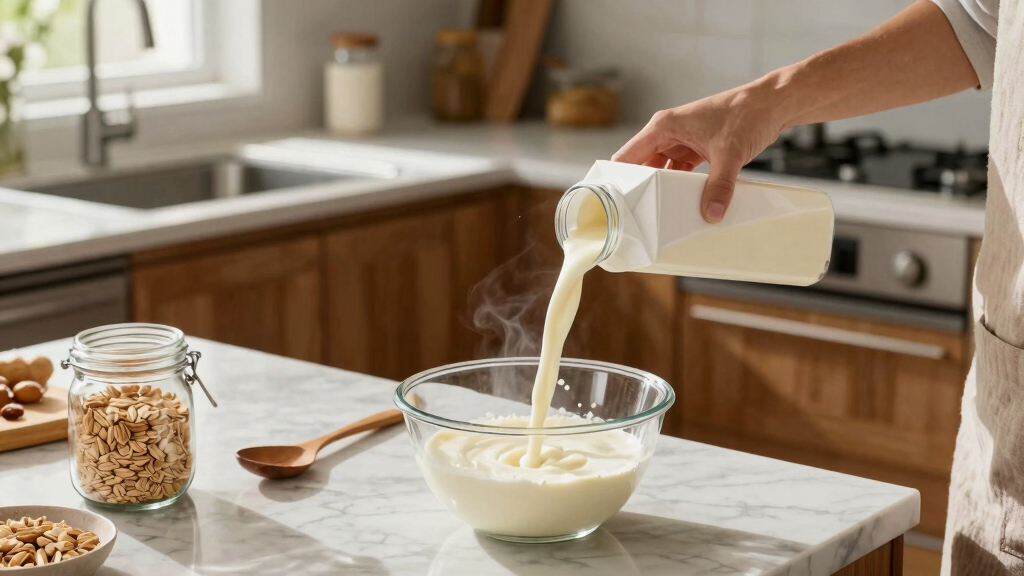
Another breakthrough is the rise of oat milk, which naturally has a high viscosity and neutral flavor, making it ideal for baking. Its stability during heating allows for moist, tender cakes and cookies without the need for extensive modifications. Similarly, homemade plant milks—such as blended cashews or oats strained through cheesecloth—offer customization, allowing bakers to control thickness and flavor profile, which can be tailored to specific recipes for optimal results.
Fortified plant milks enriched with nutrients like calcium and vitamin D have also become more stable during baking. Their enhanced formulations tend to resist separation and curdling, providing both nutritional benefits and reliable performance. These technological advancements give bakers greater confidence, enabling experimentation with various recipes while maintaining quality and consistency. Understanding how these innovations influence physical properties—like viscosity, stability, and emulsification—helps you select the best milk for your particular baking project, whether it’s a delicate sponge or a hearty bread.
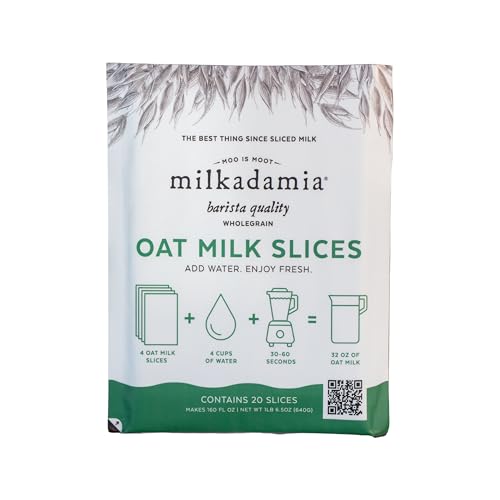
milkadamia Oat Milk Slices, 20 Slices (Makes 8 Fl Oz Per Slice), Shelf Stable Plant Based Milk, Just Blend with Water, Dairy & Lactose Free, Vegan, Sustainable Packaging
The Best Thing Since Sliced Milk: A first-of-its-kind oat milk in slice form. Shelf-stable, plant-based, and designed for…
As an affiliate, we earn on qualifying purchases.
As an affiliate, we earn on qualifying purchases.
Frequently Asked Questions
Can I use homemade plant milk in baking?
Absolutely. Just make sure it’s strained well and has a consistent texture. Homemade milks can vary, so adjusting the recipe slightly might be necessary for best results.Does plant-based milk change how baked goods rise?
Generally, plant milks don’t affect leavening agents directly, but their moisture content can influence how much your baked item rises. Thicker milks may produce denser results, so tweak your recipe if needed.Is there a dairy-free milk that works for all baked goods?
Oat milk is the most versatile, suitable for cakes, muffins, and bread because of its creaminess and neutral taste. However, for richer desserts, coconut or cashew milks excel.Are flavored plant milks okay for baking?
They can be, but flavored milks (like vanilla or chocolate) can alter your final product’s taste. For neutral results, stick to unsweetened, plain versions.
Thai Kitchen Coconut Milk, Unsweetened, Non Dairy Milk Substitute, Gluten Free, Non GMO, For Smoothies, Ice Cream, Oatmeal, Coffee, and More, 13.66 fl oz
VERSATILE INGREDIENT: Unsweetened coconut milk lends the perfect flavor and texture to both sweet and savory recipes and…
As an affiliate, we earn on qualifying purchases.
As an affiliate, we earn on qualifying purchases.
Conclusion
Your best bet in dairy-free baking? Pick a milk that matches your desired texture and flavor. Recent innovations mean you don’t have to settle for anything less than perfect. Just remember—trial and error are part of the process. Keep experimenting, and your baked goods will thank you for it.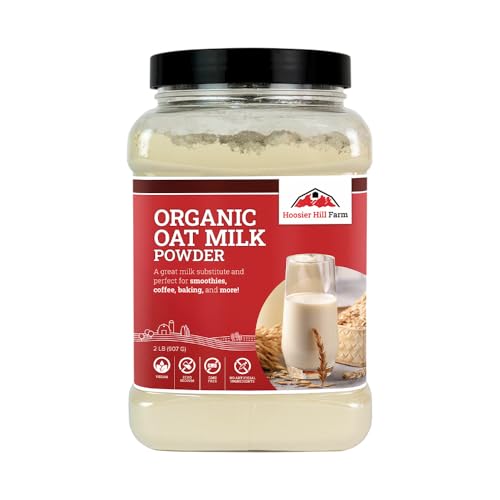
Hoosier Hill Farm Organic Oat Milk Powder, 2LB (Pack of 1)
Hoosier Hill Farm Organic Oat Milk Powder contains all the dietary fiber, vitamins, natural sweetness and creamy texture…
As an affiliate, we earn on qualifying purchases.
As an affiliate, we earn on qualifying purchases.