
TL;DR
A handy sugar swap chart helps bakers substitute sugars accurately, ensuring great results. Knowing ratios and effects of each swap makes baking flexible and healthier.
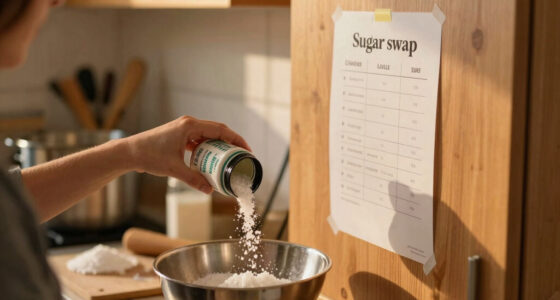
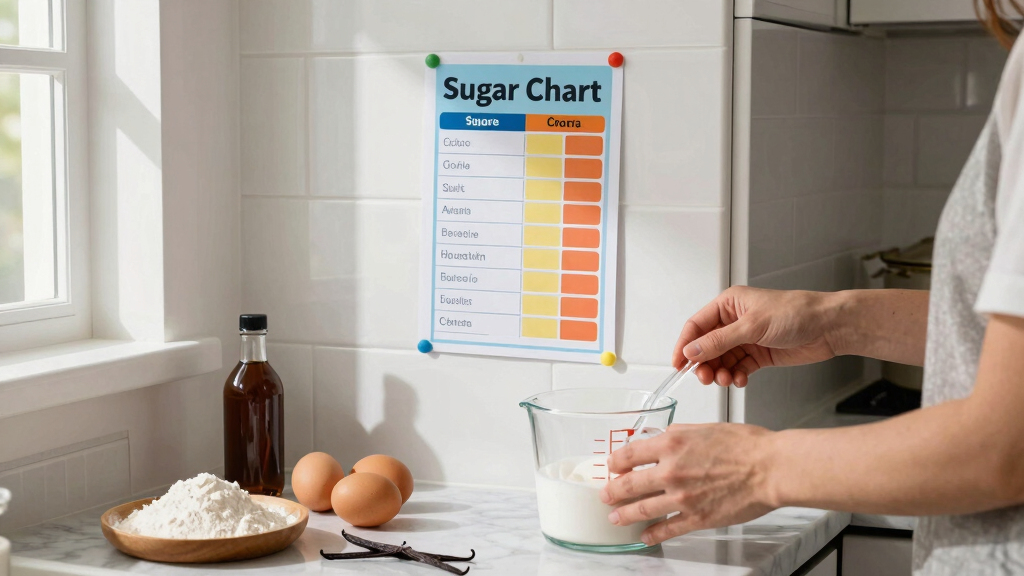
Baking is as much an art as a science, and sugar plays a starring role. But what happens when you run out of your usual sweetener, or want to reduce processed sugars? A well-curated sugar swap chart taped to your cupboard becomes your secret weapon. It’s like having a baking buddy in your kitchen, guiding you through substitutions without sacrificing flavor or texture.
Whether you’re adjusting for dietary needs, experimenting with new ingredients, or just want to save a trip to the store, knowing how different sugars and sweeteners compare can save you time, guesswork, and possibly a failed batch. Let’s explore what makes a good sugar swap chart and how to use it to keep your baking on point.
A detailed sugar swap chart saves time and prevents baking failures.
Ratios like 1 cup honey = 1 ¼ cups sugar are key for accuracy.
Adjust liquids and oven temps when using natural sweeteners.
Not all substitutes taste or behave the same — experiment in small batches.
Creating a personalized chart helps you bake healthier or adapt recipes easily.
What Types of Sugar and Sweeteners You Can Swap — And When to Use Them
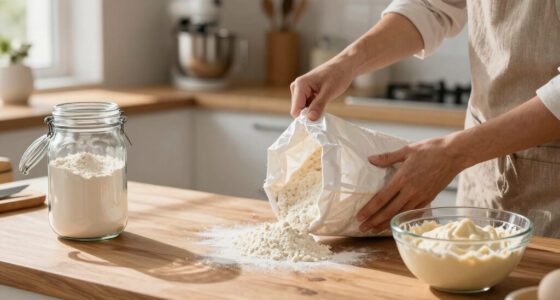
Not all sugars are created equal, and each has its own role in baking. Granulated sugar is your go-to for most recipes, but powdered sugar works wonders in frosting, while brown sugar adds moisture and depth.
Natural alternatives like honey, maple syrup, and coconut sugar are increasingly popular. For example, if you want a richer flavor in your cookies, swapping brown sugar for granulated can make a noticeable difference. But be aware — each type affects texture, sweetness, and appearance differently.
Here’s a quick rundown of common sugars and their best uses:
- Granulated Sugar: Versatile, used in cookies, cakes, beverages.
- Powdered Sugar: Fine, perfect for icing and dustings.
- Brown Sugar: Moist, adds richness and chewiness.
- Turbinado/Demerara: Coarse, great for toppings or crunch.
- Natural Sweeteners: Honey, maple syrup, agave — best for certain recipes, but need adjustments.
Understanding these differences matters because each sugar interacts differently with other ingredients. For example, brown sugar contains molasses, which can contribute to a darker color and richer flavor, but also adds moisture that might affect the structure of your baked good. Recognizing these nuances helps you make more informed swaps, balancing flavor, texture, and appearance according to your desired outcome.

Sugar Substitutes Chart Poster Complete Guide to Natural and Artificial Sweeteners for Keto and Diabetic Diets(Unframed,08x12inch(20x30cm))
We have reserved a 0.6in (1.5cm) white margin for you, which is convenient for you to frame with…
As an affiliate, we earn on qualifying purchases.
As an affiliate, we earn on qualifying purchases.
How to Convert Between Sugars — The Exact Ratios You Need
Having the right ratios at your fingertips makes all the difference. For example, 1 cup of honey equals about 1 ¼ cups of granulated sugar, but this isn’t just a simple volume swap. Honey is sweeter than sugar, so using the same volume can result in an overly sweet product. Additionally, honey is liquid—so it adds moisture, which can alter the batter’s consistency, potentially causing baked goods to spread or become denser. To compensate, you need to reduce other liquids in the recipe, such as milk or water, by about 1-2 tablespoons for every cup of honey used. You might also lower the oven temperature by 25°F to prevent over-browning because honey promotes quicker browning.
Similarly, 1 cup of maple syrup is roughly equivalent to ¾ cup of sugar. Since maple syrup is also liquid, reducing other liquids slightly and adjusting baking time helps achieve the intended texture and appearance. Understanding these ratios and the implications of added moisture ensures your baked goods turn out just right, avoiding pitfalls like sogginess or uneven browning. When you grasp the tradeoffs—like increased moisture versus enhanced flavor—you can make smarter substitutions that preserve or even improve your recipe’s final quality.
Here’s a simple conversion table to keep taped on your cupboard:
| Substitute | Amount | Notes |
|---|---|---|
| Honey | 1 ¼ cups | Reduce liquids by 1-2 tbsp, lower baking temperature by 25°F |
| Maple Syrup | ¾ cup | Reduce liquids slightly, expect a richer flavor |
| Coconut Sugar | 1 cup | Direct swap, similar sweetness, adds caramel flavor |
| Erythritol or Monk Fruit | 1 cup | Less sweet than sugar, adjust to taste |
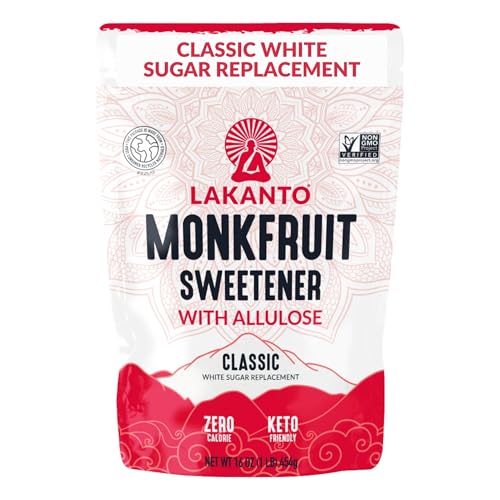
Lakanto Classic Monk Fruit Sweetener With Allulose, White Sugar Substitute From Monk Fruit Extract for Baking, Coffee & Tea, Gluten Free, Zero Calorie, Low Carb, Non GMO, Keto, Classic White (1 lb)
ALLULOSE INFUSED SWEETNESS WITHOUT THE SUGAR: Lakanto Monkfruit Sweetener without erythritol is your next sugar substitute, offering a…
As an affiliate, we earn on qualifying purchases.
As an affiliate, we earn on qualifying purchases.
Why Different Sugars Change Your Baking — And How to Adjust
Each sugar affects your baked goods differently, from moisture to browning. Honey, for example, adds sweetness and moisture but can make your cookies spread more and brown faster. Brown sugar retains moisture, giving a chewy texture, while white sugar results in crispness.
These differences matter because they influence the final appearance, texture, and flavor profile of your baked items. For instance, using honey or molasses can intensify flavors and create a darker crust, but may also cause over-browning if not adjusted properly. Brown sugar’s moisture-retaining qualities can help produce softer, chewier cookies, whereas white sugar yields crisper cookies. Recognizing these effects allows you to tweak your recipes accordingly—such as reducing oven temperature or adjusting liquid content—to achieve the desired outcome. These adjustments are essential tradeoffs to consider when aiming for specific textures or flavors, especially when substituting ingredients to accommodate dietary needs or ingredient availability.

Kitchen Conversion Chart Magnet 1pc – Baking Supplies & Accessories – 6” x 8” Magnetic Kitchen Gadgets Measurement Conversion Chart for Cooking – Waterproof Baking Essentials, Cooking Gifts for Women
Master Every Baking Session. Our Kitchen Measurement Conversion Chart Magnet is crafted for precision with clear, bold fonts…
As an affiliate, we earn on qualifying purchases.
As an affiliate, we earn on qualifying purchases.
Frequently Asked Questions
Can I substitute honey for sugar in all recipes?
Most recipes can handle honey as a replacement, but you’ll need to reduce liquids and lower the oven temperature slightly. It works best in baked goods like muffins or quick breads, not in recipes requiring precise structure like meringues.What is the best sugar substitute for baking?
It depends on your goal. For a natural, less processed option, coconut sugar or maple syrup work well. For low-carb or keto baking, erythritol or monk fruit are popular choices. Each has pros and cons, so choose based on your recipe and dietary needs.How do I convert between different types of sugar?
Use ratios like 1 cup honey = 1 ¼ cups sugar, and adjust liquids accordingly. The chart provides specific conversions for common swaps, helping you keep your baked goods consistent.Will sugar substitutes affect the taste or texture?
Yes, some can alter flavor, sweetness level, or moisture. Natural sweeteners like honey add richness but can make cookies spread more. Expect some trial and error, but with small adjustments, you’ll master the perfect balance.Are there health benefits to using certain sugar swaps?
Natural, unrefined sugars like coconut sugar have a lower glycemic index, which may be better for blood sugar stability. But moderation remains key—sweetness still impacts health.
4pcs Cake Arc Rulers, Adjustable Cake Arch Swag Guide Tool Curved Decorating Marking Maker Divider Aid Baking Measuring Measurer Pastry Accessories DIY Framing Guide for Professional & Home Bakers
Product Packaging: You will receive 4 pieces of the cake arc rulers, including one each of pink, yellow,…
As an affiliate, we earn on qualifying purchases.
As an affiliate, we earn on qualifying purchases.
Conclusion
Keeping a well-made sugar swap chart taped to your cupboard transforms your approach to baking. It’s like having a secret recipe cheat sheet—ready to adapt, experiment, and perfect every time. Next time you’re eyeing a recipe but want to reduce processed sugar, just glance at your chart and confidently swap away.
Remember, baking is about balance. With the right ratios and a little know-how, you can make healthier treats that still taste incredible. So grab that chart, get baking, and enjoy the sweet freedom of substitutions.