
TL;DR
The two-stage mixing method divides dough preparation into two phases, optimizing gluten development and fermentation. It results in better dough extensibility, improved crumb, and crust, especially for high-hydration breads. Mastering this technique can elevate both home and professional baking.
Ever wondered how professional bakers create those airy, crusty loaves with perfect crumb? It’s not just about ingredients—technique matters. The two-stage mixing method is a game-changer, favored by artisans for its ability to develop gluten naturally and streamline the process.
If you’re tired of dough that’s sticky, difficult to shape, or just doesn’t rise right, this simple yet powerful approach might be your new best friend. In this guide, we’ll uncover what makes this method so effective, how to do it step-by-step, and why it’s a secret weapon in every baker’s toolkit.
The two-stage mixing method divides dough prep into hydration and gluten development phases, leading to better texture and handling.
Autolyse boosts gluten naturally, reducing kneading time and improving bread crumb and crust.
This technique works especially well for high-hydration and whole grain breads, making them easier to shape and bake.
Controlling temperature and hydration levels during autolyse maximizes gluten formation and flavor development.
Beginners can easily adopt this method by starting with simple recipes and using a scale for consistency.
What is the Two-Stage Mixing Method and Why Do Bakers Swear By It?
The two-stage mixing method breaks down bread dough preparation into two clear phases. First, you hydrate the flour and water, allowing gluten strands to form naturally. Then, you add salt, yeast, or starter and knead or fold to finish developing the dough.
This approach isn’t just a fancy trend. It’s rooted in traditional bread-making, but recent baking innovations have made it more popular. Bakers love it because it produces a dough that’s easier to handle, with a better structure, flavor, and crust. Plus, it reduces the risk of overworking the dough, which can cause tough loaves.
Understanding why bakers swear by this method requires appreciating what it does at a microscopic level. Hydrating the flour first allows gluten strands to form gradually, resulting in a more uniform and resilient network. This means the dough can stretch more without tearing, leading to a lighter crumb and better oven spring. Additionally, the separation of hydration from ingredient addition minimizes the chance of over-kneading, which can develop excessive gluten and make bread dense or tough. Therefore, this method balances strength and extensibility, crucial for achieving artisanal textures and flavors.
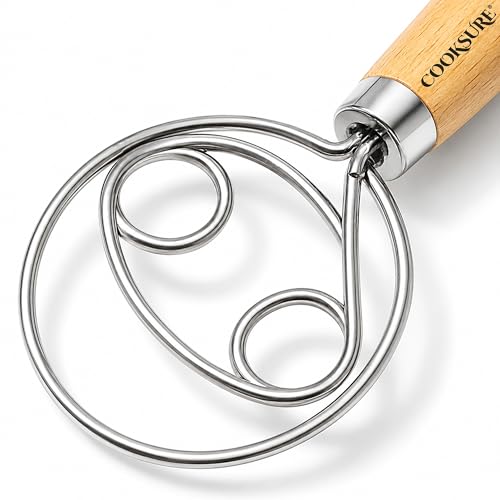
COOKSURE Danish Dough Whisk for Sourdough Bread – 13 Inch Bread Whisk with Wooden Handle – 304 Stainless Steel Hook for Heavy Dough Baking, Swedish Dough Whisk Tool
Professional Performance – Premium 304 stainless steel dough whisk designed for sourdough, artisan dough, and bread baking supplies….
As an affiliate, we earn on qualifying purchases.
As an affiliate, we earn on qualifying purchases.
How to Master the Two-Stage Mixing Method in 3 Simple Steps
- Mix Flour and Water (Autolyse): Combine your flour and water until just incorporated. Cover and let rest for 20-45 minutes. This hydrates the flour fully, activating enzymes that improve gluten and flavor. The key here is patience; allowing the flour to fully hydrate enables gluten strands to develop more naturally and evenly, which leads to a dough that is easier to handle and produces a more open crumb. Skipping or rushing this step can result in uneven gluten formation, making subsequent mixing less effective and potentially leading to dense bread.
- Add Remaining Ingredients: After the autolyse, add salt, yeast, or starter. Mix thoroughly by folding or gentle kneading. This step not only incorporates the remaining ingredients but also encourages further gluten development. Proper mixing at this stage ensures even distribution of ingredients, which is vital for consistent fermentation and flavor. Overmixing can break down gluten networks prematurely, so gentle folding is preferred to preserve extensibility.
- Final Knead or Fold: Develop gluten further with a few minutes of kneading or a series of stretch-and-folds over 30-60 minutes. The dough becomes extensible and ready to proof. This gradual development allows gluten to strengthen without becoming overly tight, which is essential for achieving good oven spring and open crumb structure. The timing and technique here matter; too little development can result in poor rise, while overworking can make the dough tough. The method encourages a balance between strength and elasticity, which is critical for high-hydration and artisan breads.

BOORIKA Sourdough Bread Baking Tool Set with Danish Dough Whisk, Bread Lame & Blades, Bench Scraper, Dough Scrapers and Silicone Brush – Sourdough Starter Kit
* All-in-One Artisan Bread Kit – Includes everything you need to bake like a pro: Danish dough whisk,…
As an affiliate, we earn on qualifying purchases.
As an affiliate, we earn on qualifying purchases.
Compare Traditional Kneading vs. Two-Stage Mixing: Which Wins?
| Feature | Traditional Kneading |
|---|---|
| Gluten Development | Relies on prolonged kneading to build strength. While effective, it can sometimes lead to overworking the dough, which tightens the gluten network excessively and reduces extensibility. This tradeoff can limit oven spring and produce denser bread, especially in high-hydration recipes. |
| Handling | Can be sticky and tough to shape, especially in high-hydration doughs. Over-kneading or improper technique can cause the dough to become overly elastic and resistant to shaping, making the process frustrating and inconsistent. |
| Time Investment | Requires 10-20 minutes of vigorous kneading, which can be physically demanding and time-consuming. This can be a barrier for home bakers seeking quick results or those with limited time. |
| Flavor & Texture | Potential for overworking, leading to dense crumb and less complex flavor. Over-kneaded dough can develop a tight gluten network that traps gases inefficiently, resulting in bread that is less airy and more chewy. |
In contrast, the two-stage method emphasizes gradual gluten development, reducing the risk of overworking while promoting better flavor and crumb structure. The choice between methods hinges on your priorities: speed and simplicity versus control and artisanal quality. Understanding these tradeoffs helps you select the best approach for your baking style and desired outcome.
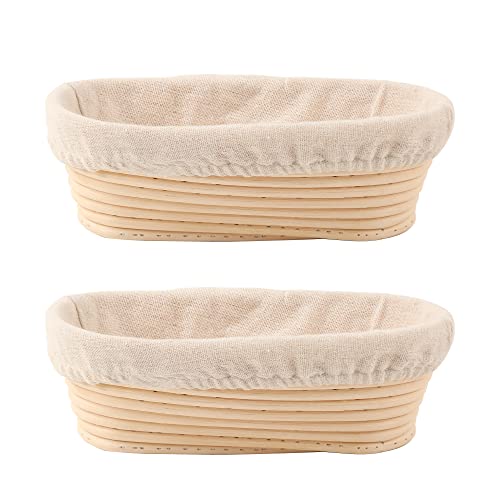
DOYOLLA Bread Proofing Baskets Set of 2 10 inch Oval Shaped Dough Proofing Bowls w/Liners Perfect for Professional & Home Sourdough Bread Baking
Best for making artisan bread,Both for home use or bread shop;
As an affiliate, we earn on qualifying purchases.
As an affiliate, we earn on qualifying purchases.
Why the Two-Stage Method Is Better for High-Hydration and Whole Grain Breads
The two-stage mixing method really shines when baking high-hydration or dense whole grain breads. These doughs tend to be sticky and difficult to handle, often challenging even experienced bakers. By hydrating flour fully during the autolyse, gluten forms naturally, making the dough more extensible and easier to shape. This pre-hydration step reduces the initial resistance of the dough, allowing for more efficient fermentation and better gas retention, which results in a lighter, more open crumb.
Imagine trying to stretch a wet sponge versus a dry one. The autolyse acts like pre-moistening the sponge, so it stretches without tearing. This process not only improves handling but also enhances the final bread’s texture and crust. The increased extensibility means you can achieve a more uniform loaf with a consistent crumb structure, while the flavor benefits from the enzymatic activity that occurs during autolyse, breaking down complex carbohydrates into simpler sugars that yeast ferments more readily. This leads to a richer flavor profile and a crust with more crunch.

Etekcity Food Kitchen Scale, Digital Grams and Ounces for Weight Loss, Baking, Cooking, Keto and Meal Prep, LCD Display, Medium, 304 Stainless Steel
𝗘𝗳𝗳𝗼𝗿𝘁𝗹𝗲𝘀𝘀 𝗪𝗲𝗶𝗴𝗵𝗶𝗻𝗴: Supports 5 units (oz/lb:oz/fl'oz/g/mL), tare function, and includes 2 AAA batteries for hassle-free operation
As an affiliate, we earn on qualifying purchases.
As an affiliate, we earn on qualifying purchases.
How Temperature and Hydration Levels Impact the Two-Stage Method
Keeping your dough at the right temperature (around 75-78°F or 24-26°C) during autolyse speeds gluten development without risking over-fermentation. Enzymatic activity is temperature-sensitive; too cold, and the process slows down, leading to less extensible dough. Too warm, and fermentation can accelerate prematurely, affecting flavor and structure. Maintaining an optimal temperature ensures a balanced development, leading to a dough that is both elastic and flavorful.
Hydration levels are equally critical. Higher hydration (above 75%) produces an open, airy crumb but can be more challenging to handle. Proper autolyse allows the flour to absorb water thoroughly, which improves dough extensibility and gas retention. For example, in making ciabatta, a hydration level of 80% or more benefits significantly from autolyse, as it helps hydrate the gluten network completely, resulting in a dough that stretches easily without tearing and forms large holes in the finished bread. Conversely, lower hydration doughs may not require as long or as thorough an autolyse, but even then, the process can still improve gluten formation and flavor.
3 Key Tips to Get Perfect Results with the Two-Stage Mixing Method
- Use Fresh Flour: Freshly milled or recently purchased flour contains more active enzymes and better hydration properties, which significantly improve gluten formation. Older flour may have degraded proteins and enzymes, leading to weaker dough and less flavorful bread. Investing in quality flour ensures your autolyse and subsequent mixing yield optimal results.
- Control Autolyse Time: 20-45 minutes is generally effective. Shorter autolyse preserves more yeast activity if added later, which can speed up fermentation. Longer autolyse, up to an hour, enhances gluten development and flavor but risks over-weakening the dough if overdone. Adjust based on your recipe and desired bread characteristics. For delicate or enriched doughs, shorter autolyse is preferable, while rustic, high-hydration loaves benefit from longer periods.
- Keep It Warm: A warm environment (around 75-78°F or 24-26°C) accelerates enzymatic activity, promoting better gluten and flavor development. You can achieve this by placing your dough in a warm corner, using a proofing box, or wrapping it in a towel. Consistent warmth ensures even hydration and enzymatic processes, leading to a more extensible dough that’s easier to shape and results in a superior crumb.
What You Need to Know Before Trying This at Home
This method is straightforward but requires some patience and attention to detail. Don’t rush the autolyse—let the flour fully hydrate, as this step is foundational for gluten development and flavor. Skipping or shortening it can lead to a denser loaf with less oven spring. Also, avoid adding salt or yeast too early; these ingredients can inhibit enzymatic activity if introduced prematurely, reducing the benefits of the autolyse process.
For beginners, start with a simple recipe like a basic sourdough or country loaf. Use a kitchen scale for accuracy—precision in measurements ensures consistent results. Keep the dough in a warm spot during autolyse; this encourages enzymatic activity and gluten formation. Be patient and observe how the dough changes during each stage, which will help you develop intuition and improve your technique over time.
Frequently Asked Questions
Can I use the two-stage method for all types of bread?
While it works great for high-hydration, sourdough, and whole grain breads, it’s adaptable for many recipes. However, some quick or enriched doughs may not benefit as much, so adjust accordingly.How long should each autolyse phase last?
Typically, 20-45 minutes is ideal. Shorter autolyse preserves more yeast activity for quicker fermentation, while longer periods enhance gluten and flavor—up to a point.Do I need special equipment?
A good kitchen scale and a clean bowl are enough. Controlling temperature can be helped with a proofing box or warm spot, but it’s not strictly necessary.Will this method make my bread rise higher?
Better gluten development means a stronger dough that traps gas more effectively. Expect a lighter, more open crumb, especially in high-hydration recipes.Is this method suitable for beginners?
Yes! It simplifies gluten development and reduces kneading, making bread baking more forgiving for newcomers. Start with simple recipes and practice patience.Conclusion
Mastering the two-stage mixing method isn’t just about making better bread — it’s about understanding your dough’s needs. It’s a simple tweak that unlocks more consistent, delicious results. Once you see how effortlessly your dough becomes extensible and lively, you’ll wonder how you ever baked without it.
So next time you knead, remember: hydration first, then development. Your perfect loaf is just a few folds away.