
TL;DR
Folding egg whites carefully prevents deflation. Use a gentle ‘cut and fold’ motion with the right tools, act quickly after whipping, and consider stabilization tips for perfect, airy results.
Nothing kills a perfectly whipped batch of egg whites faster than a careless fold. One second of vigorous stirring can deflate all that airy magic you worked so hard to create. If you’ve ever wondered how to keep that delicate volume intact, you’re not alone.
This guide cuts through the confusion. You’ll learn how to fold egg whites with confidence, using simple, proven techniques that protect their lightness and ensure your baked goods turn out just right — fluffy, airy, and irresistible.
Always use a clean, grease-free bowl and utensils for whipping and folding.
Whip egg whites to the right stage — stiff peaks for sturdy recipes, soft peaks for lighter textures.
Use a gentle ‘cut and fold’ motion, not stirring or vigorous mixing.
Fold immediately after whipping to preserve maximum volume.
Consider adding a stabilizer like cream of tartar for extra resilience.
How to Fold Egg Whites Without Deflating Everything You Worked For
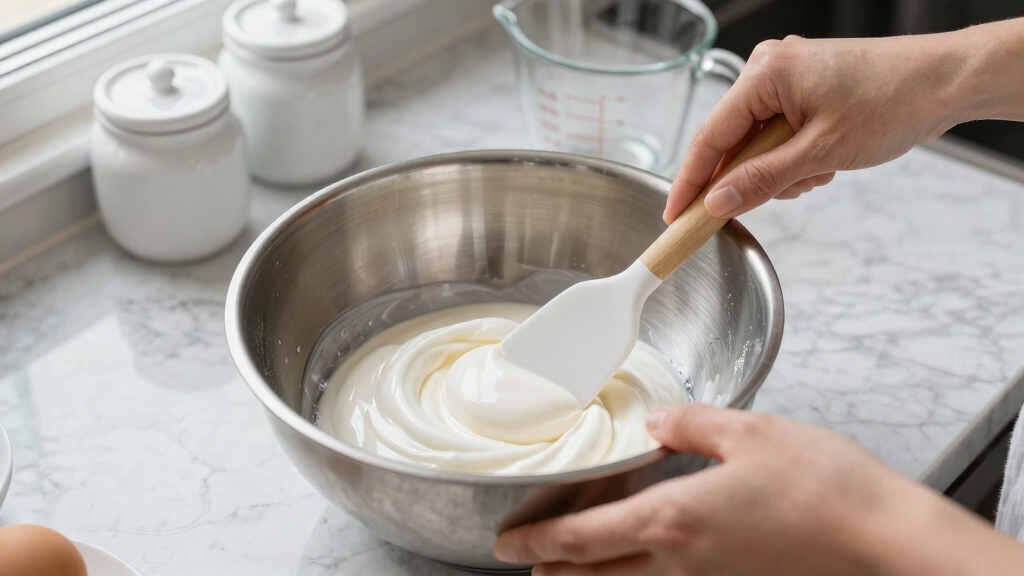
Folding egg whites is the quiet moment where fluffy cakes, souffles, mousses, and meringues either keep their lift or lose it. The goal is simple: cut through, lift from the bottom, fold over, rotate the bowl, and stop as soon as the mixture is just combined.
Gentle folding protects the tiny air bubbles that make baked goods rise, lighten, and hold their shape.
Fold Like a Pro
Every move should incorporate the heavier batter while protecting foam structure. Think deliberate, broad motions rather than quick, circular stirring.
Clean, Dry Tools
Any fat can weaken foam before folding even begins. Use a spotless bowl, clean whisk, and flexible silicone spatula.
Hit the Right Peak
Soft peaks bring tender lift. Stiff peaks stand upright and suit meringues, souffles, and batters that need more structure.
Stop at Combined
Fold until streaks vanish, then quit. Extra passes may look harmless, but each one can break more bubbles.

Fox Run Stainless Steel Small Mixing Bowl, 7.25 x 7.25 x 3.75 inches, Metallic
Fox Run Stainless Steel Small Mixing Bowl, 7.25 x 7.25 x 3.75 inches, Metallic
As an affiliate, we earn on qualifying purchases.
As an affiliate, we earn on qualifying purchases.
Stir vs. Fold
The difference is not cosmetic. Stirring forces air out quickly; folding moves batter around the foam so the bubbles survive long enough to bake or set.
| Action | Stir | Fold | Use case |
|---|---|---|---|
| Motion | ✗ Vigorous circles | ✓ Gentle slicing and lifting | Fold for whipped whites, mousse, sponge, and souffle batter. |
| Air retention | ✗ Bubbles burst quickly | ✓ Bubbles stay protected | Use broad strokes when volume is the point. |
| Speed | ~ Fast but rough | ✓ Prompt but controlled | Move efficiently after whipping, without rushing the motion. |
| Final texture | ✗ Dense and heavy | ✓ Light and cohesive | Stop once streaks disappear and the mixture remains airy. |
Volume Protection Score
Rules That Keep Foam Alive
- Fold immediately: whipped whites lose resilience the longer they sit.
- Match temperatures: hot mixtures can deflate or curdle delicate foam.
- Use the right tool: a large spatula or balloon whisk makes wide, gentle passes easier.

OXO Good Grips Flip and Fold Omelet Turner, Clear
Ideal shape and size for making omelets or quesadillas
As an affiliate, we earn on qualifying purchases.
As an affiliate, we earn on qualifying purchases.
Prevent Collapse Before It Starts
Strong foam begins before folding. Clean tools, correct whipping, acid stabilizers, and patient handling all reduce the chance of a flat final texture.
Stabilizer Sweet Spot
A pinch of cream of tartar or a few drops of lemon juice can strengthen egg-white protein structure. Use moderation: too much stiffness makes folding less smooth.
Collapse Triggers
- 01Greasy bowl: fat blocks stable foam formation from the start.
- 02Over-whipping: grainy whites become fragile and easier to deflate.
- 03Aggressive mixing: circular stirring crushes the air pockets you need.
- 04Waiting too long: foam weakens when it sits after whipping.
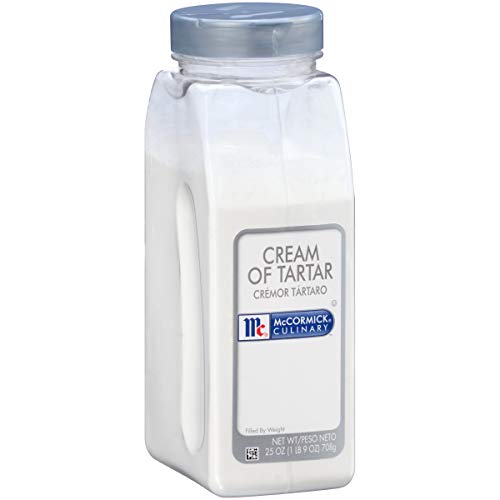
McCormick Culinary Cream of Tartar, 25 oz – One 25 Ounce Container of Cream of Tartar Powdered Thickening Agent for Egg Whites, Meringues, Angel Food Cake, Cookies, and More
VERSATILE: McCormick Culinary Cream of Tartar is a dense powder offering multipurpose use to bring versatility and quality…
As an affiliate, we earn on qualifying purchases.
As an affiliate, we earn on qualifying purchases.
The Airy Result Chain
Each decision connects to the next. Protect the foam at every handoff and the finished bake has a much better chance of rising light, fluffy, and even.
Why do egg whites deflate after whipping?
Usually from over-whipping, grease contamination, or rough folding. Handle the foam gently from start to finish.
How do stiff peaks look?
They stand upright when the whisk lifts. Drooping peaks need a little more whipping.
Can whites go into hot mixtures?
Use room-temperature or slightly cooled mixtures. Heat can collapse or curdle the whites.
What is the best folding tool?
A broad silicone spatula or balloon whisk supports gentle, sweeping motions.

Digead Stainless Steel Egg Whisk, Hand Push Rotary Whisk Blender, Versatile Milk Frother, Hand Push Mixer Stirrer for Blending, Whisking, Beating & Stirring (12in)
★FOOD GRADE STAINLESS STEEL – The rotating whisk is made of food grade stainless steel, so it’s antirust…
As an affiliate, we earn on qualifying purchases.
As an affiliate, we earn on qualifying purchases.
Why Gentle Folding Is Your Secret Weapon
Gently folding egg whites is about preserving the tiny air bubbles that make your baked goods rise and feel light. Think of it like wrapping a delicate gift — you want to fold carefully, not jostle or stir. When done right, this technique keeps the volume intact, giving your cake or soufflé that perfect lift.
Imagine whipping egg whites to stiff peaks, then folding them into a rich chocolate mousse. If you stir vigorously, all that air escapes, leading to a dense, heavy texture. But with gentle, deliberate motions, you maintain the air pockets, resulting in a light, airy final product. This careful handling is a tradeoff: it requires patience and finesse, but the payoff is a beautifully risen, fluffy creation that’s impossible to achieve with rough techniques.
Understanding why gentle folding matters helps you appreciate the importance of timing and technique. Over-aggressive folding can deflate the mixture prematurely, ruining the structure. Conversely, being too gentle or slow can risk not fully incorporating ingredients, affecting texture and consistency. Finding the right balance ensures your baked goods are both light and cohesive.
The Step-by-Step Way to Fold Egg Whites Like a Pro
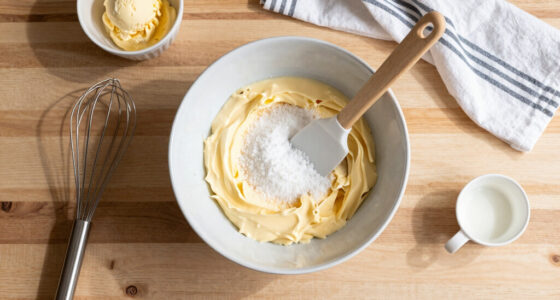
- Start with clean, dry bowls and utensils. Any grease or residue can prevent proper whipping and cause deflation. This initial step is crucial because fats interfere with the formation of stable foam, making it harder to maintain volume during folding.
- Whip your egg whites to the right stage. Soft peaks are good for lighter recipes, while stiff peaks are necessary for sturdier structures like meringues or soufflés. Recognizing these stages helps you prevent over-whipping, which can cause the whites to become grainy and more prone to collapsing during folding.
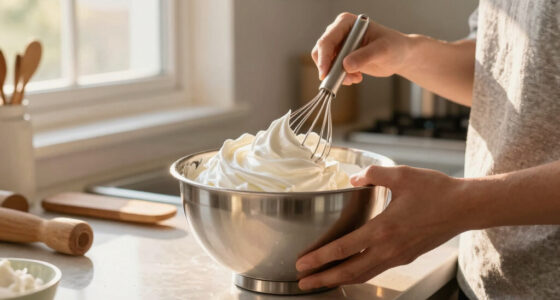
- Use the right tool. A large silicone spatula or a balloon whisk allows for gentle, sweeping motions. These tools help you incorporate ingredients without breaking down the air bubbles, which is essential for maintaining the lightness of the mixture.
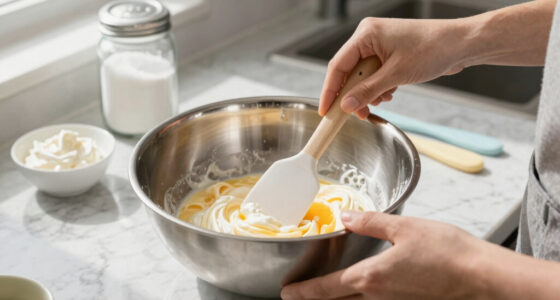
- Make the initial cut. Insert the spatula straight down into the egg whites, reaching the bottom of the bowl. This motion helps lift the heavier ingredients from the bottom without deflating the whipped whites.
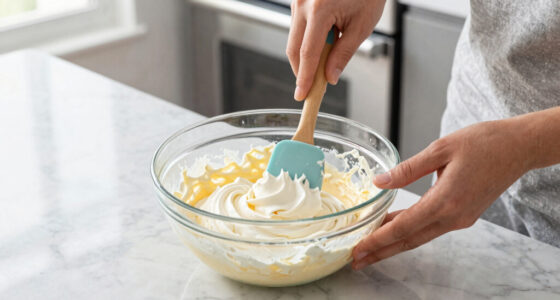
- Lift and fold. Gently scoop from the bottom, lift, and fold over the heavier mixture. Rotate the bowl as you go to ensure even incorporation. The goal is to blend ingredients thoroughly while preserving the bubbles, which is why gentle, deliberate movements are key.
- Repeat until just combined. Stop mixing once streaks disappear, but the mixture remains light and airy. Overmixing at this stage can cause the whites to deflate, so patience and attention are essential for perfect results.
Comparison: Stir vs. Fold — Why the Difference Matters
| Stir | Fold |
|---|---|
| Vigorous, circular motion | Gentle, slicing motion |
| Air escapes quickly, risking deflation | Preserves air bubbles, maintaining volume |
| Suitable for mixing in flour or liquids where structure isn’t delicate | Ideal for delicate ingredients like whipped egg whites, where volume preservation is critical |
How to Stabilize Egg Whites So They Don’t Deflate
Adding a pinch of cream of tartar or a few drops of lemon juice can help stabilize egg whites. These acids strengthen the protein structure, making them more resilient during folding. This stabilization is crucial because it prolongs the foam’s stability, especially when you need to fold in other ingredients or bake immediately afterward.
For example, if you’re making a meringue for a pie, stabilizers help keep the texture firm and prevent collapse during baking or storage. Without stabilization, the foam can weaken and deflate under heat or over time. However, over-stabilizing can make whites too stiff and difficult to fold smoothly, so moderation is key. The tradeoff is that a well-stabilized foam offers more flexibility and less risk of collapse, but it may require a more delicate folding technique to avoid breaking down the structure.
Common Mistakes That Cause Egg Whites to Collapse
Over-whipping, greasy bowls, and aggressive mixing during folding top the list of volume killers. For instance, over-whipping egg whites makes them grainy and fragile, increasing the chance of collapse when folded in or baked. Grease from dirty utensils creates a barrier that prevents proper foaming, weakening the structure from the start.
Even rushing the process — like trying to hurry the fold — can cause the delicate bubbles to burst, deflating your mixture. The tradeoff here is patience: rushing leads to less stable foam, while gentle, deliberate handling preserves the structure. Recognizing these pitfalls and avoiding them ensures your egg whites retain their volume and contribute to a light, airy final product.
Frequently Asked Questions
Why do my egg whites deflate after whipping?
This usually happens because of over-whipping, contamination with grease, or aggressive folding. Egg whites are delicate — handle them gently from start to finish.
How do I tell when my egg whites are stiff enough?
They should form firm peaks that stand upright when you lift the whisk or spatula. If the peaks droop or fold over, they need a little more whipping.
Can I fold egg whites into hot mixtures?
It’s best to fold egg whites into ingredients at room temperature or slightly cooled. Hot mixtures can cause the whites to deflate or curdle, so wait for everything to cool slightly if needed.
What’s the best tool for folding egg whites?
A large silicone spatula or a balloon whisk works best. Both allow gentle, sweeping motions that protect the air bubbles inside the whites.
How fast should I fold the egg whites into the batter?
As soon as the egg whites reach the desired peak stage, fold immediately. Don’t wait — the longer they sit, the more chance they have to deflate.
Conclusion
Folding egg whites isn’t just about technique — it’s about respecting their fragile structure. When you handle them with care, your baked goods will turn out lighter, fluffier, and more impressive every time.
Next time you whip up a meringue or soufflé, remember: gentle is the name of the game. Your perfect, airy creation depends on it. So go ahead, fold with confidence, and let your baked masterpiece shine.