
TL;DR

Get baking supplies delivered free — and shop member deals
- Fast, free delivery on millions of items
- Access to Prime Big Deal Days deals on October 6–7
- Prime Video, Amazon Music and more included
Grainy frosting mainly results from sugar not fully dissolving, temperature issues, or low-quality ingredients. Sifting, softening, and careful mixing are key to smooth frosting every time.
Ever scoop a spoonful of frosting and encounter a gritty, grainy texture? It’s frustrating, especially after all your effort to make a silky-smooth topping. That graininess can turn a beautiful cake into a disappointing bite.
But don’t worry—most of the time, it’s a simple fix. Understanding what causes that gritty texture and how to avoid it makes all the difference. In this guide, you’ll learn the common culprits behind grainy frosting and practical steps to keep your icing irresistibly smooth and creamy.
Always sift powdered sugar before adding to your frosting to prevent lumps and graininess.
Use room-temperature butter or cream cheese to help ingredients blend smoothly.
Add powdered sugar gradually, giving each addition time to fully dissolve.
Avoid rushing the process; patience and gentle mixing lead to silky frosting.
High-quality, finely ground powdered sugar makes a noticeable difference in texture.
Why Your Frosting Turns Grainy — The Simple Truths
Graininess in frosting usually boils down to one or more of these factors: sugar not fully dissolving, temperature mishaps, or ingredient quality. When sugar particles stay suspended or don’t melt into the fats or liquids, you get that undesirable gritty texture.
For example, if you add powdered sugar too quickly without sifting, larger granules can stick around, leading to uneven texture. Cold ingredients, like butter or cream cheese, resist blending smoothly, causing sugar crystals to remain partially undissolved. These issues matter because they directly affect the frosting’s mouthfeel, appearance, and overall quality. A gritty frosting not only looks less appealing but can also compromise the creamy consistency you desire. Recognizing these causes allows bakers to weigh the tradeoffs—such as the time spent sifting versus the end result—and choose strategies that balance efficiency with quality, ensuring a luxurious finish every time.
As an affiliate, we earn on qualifying purchases.
How to Recognize When Your Frosting Is About to Turn Grainy
- Look for lumps or gritty textures as you mix. If the frosting feels rough or grainy on the tongue, it’s a sign sugar isn’t fully dissolved. Recognizing this early prevents the texture from worsening, saving you time and ingredients.
- Notice the sound—grainy frosting often feels coarse and squeaky against your palate, unlike smooth, silky icing. This squeak indicates remaining sugar crystals that haven’t integrated into the mixture, which can lead to an undesirable texture if not addressed.
- Check the consistency visually: grainy frosting may look uneven or slightly clumpy rather than glossy and uniform. Visual cues can help you catch issues before the frosting sets or hardens, giving you a chance to correct the process.
For instance, if you’re whipping butter and sugar and it suddenly feels gritty, stop and examine. This early detection can save you from ending up with a grainy mess, and understanding these signs helps you develop a more intuitive baking process that emphasizes quality over speed.
room temperature butter for frosting
As an affiliate, we earn on qualifying purchases.
As an affiliate, we earn on qualifying purchases.
The Top 4 Fixes for Grainy Frosting — Quick & Practical
- Sift the powdered sugar: Always sift before adding to your mixture. Fine particles dissolve more readily into fats and liquids, preventing the formation of gritty crystals. Skipping this step can leave lumps that resist dissolving, affecting the smoothness and appearance of your frosting.
- Use room-temperature ingredients: Softened butter or cream cheese mixes more smoothly because their fats are more fluid, allowing sugar to dissolve evenly. Cold ingredients create resistance, trapping undissolved sugar crystals that contribute to graininess, which compromises the frosting’s texture and mouthfeel.
- Add sugar gradually: Incorporate a small amount at a time, mixing thoroughly before adding more. This method ensures each batch of sugar fully dissolves into the fat and liquids, reducing the risk of residual grittiness. Rushing this process often leads to uneven distribution and a gritty finish.
- Adjust the consistency: If your frosting feels grainy, gently re-whip at room temperature, adding a teaspoon of milk or heavy cream to help smooth out rough patches. This step can rehydrate residual sugar crystals, restoring the silky texture without overmixing, which could incorporate air or alter the flavor.
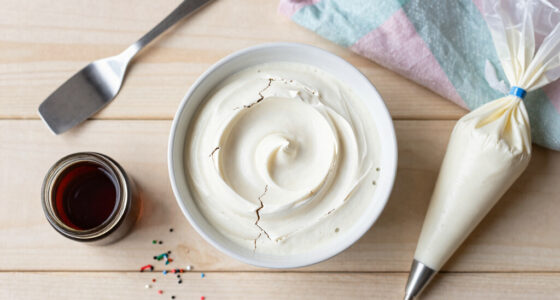
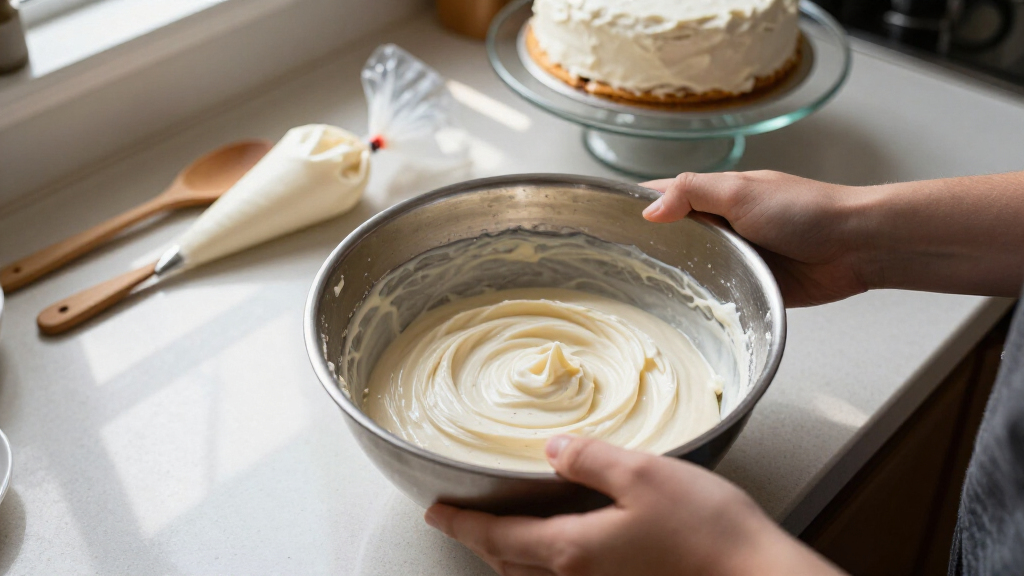
Imagine making a classic vanilla buttercream. Sifting the powdered sugar turns it into a cloud-like powder. When you add it slowly and whip at the right temperature, the frosting transforms into a silky, velvety spread. Understanding these techniques helps balance time and effort against the ideal smoothness, giving you consistent results every time.
As an affiliate, we earn on qualifying purchases.
Comparison: Why Some Frostings Are Smoother Than Others
| Frosting Type | Common Causes of Graininess | Best Fixes |
|---|---|---|
| Buttercream | Cold butter, hurried sugar addition, poor sifting | Sift sugar, soften butter, add gradually |
| Cream Cheese Frosting | Cold cream cheese, uneven mixing | Use softened cheese, mix thoroughly, sift sugar |
| Royal Icing | Poorly dissolved powdered sugar or cornstarch lumps | Mix in stages, sift ingredients multiple times |
This table highlights how different frostings have their own sensitivities. Buttercream is especially prone to graininess if butter is cold or sugar isn’t sifted well. Cream cheese needs softening and careful mixing. Knowing these nuances helps you choose the right technique for each type, which ultimately impacts the frosting’s final texture and appearance. The tradeoff often involves additional prep time for sifting and softening, but these steps are crucial for achieving a professional finish that feels as good as it looks.
As an affiliate, we earn on qualifying purchases.
Why Using High-Quality, Fine-Powdered Sugar Matters
The quality of your powdered sugar plays a surprisingly big role in the final texture. Cheaper brands or coarse powders contain larger sugar particles that resist complete dissolution, leading to a gritty finish. Choosing high-quality, finely ground powdered sugar ensures that the particles dissolve quickly and evenly, resulting in a smoother, creamier frosting. This is especially important for delicate frostings where even tiny granules can be noticeable, affecting both appearance and mouthfeel. Always sift your powdered sugar before mixing to break down any remaining lumps, which further minimizes graininess. Investing in better sugar might cost a bit more upfront, but the payoff is a consistently silky frosting that elevates your baked goods, making the extra effort worthwhile for professional results.
For instance, a baker swapping from a generic to a premium powdered sugar often notices a significant improvement in texture, with less effort needed to achieve that perfect smoothness. This small change can save you time troubleshooting and reworking frosting, making it a smart choice for serious bakers.
The Role of Temperature — Why It Matters More Than You Think
Using ingredients at the right temperature is critical because it directly influences how well your frosting comes together. Cold butter or cream cheese resists mixing, trapping undissolved sugar crystals and creating a gritty texture. Conversely, warm ingredients allow fats to soften and liquids to loosen, enabling sugars to dissolve fully and creating a velvety consistency. For example, trying to blend cold butter straight from the fridge often results in a lumpy, uneven mixture. Letting it sit at room temperature for about 30 minutes generally makes it more pliable and easier to incorporate thoroughly. The same applies to cream cheese—softening it prevents resistance during mixing. Warm ingredients facilitate a smoother blend, but be careful not to melt your fats, as that could alter the frosting’s structure. The tradeoff involves balancing temperature to optimize dissolving without compromising the integrity of your ingredients, ultimately leading to a superior, silkier frosting.
Common Mistakes That Make Frosting Grainy — Are You Guilty?
Many bakers unintentionally cause graininess through small, often overlooked mistakes. Rushing the process by adding all the powdered sugar at once can leave lumps that resist dissolving, especially if the mixture isn’t properly sifted beforehand. Not softening fats like butter or cream cheese also leads to resistance during mixing, trapping undissolved sugar crystals and resulting in a gritty texture. Using straight-from-the-fridge ingredients increases the likelihood of uneven blending, which can be frustrating and time-consuming to fix later. Recognizing these habits helps you avoid graininess and achieve bakery-quality finishes at home. The tradeoff is often a little extra time for sifting, softening, and gradual addition, but these steps are essential for a perfectly smooth frosting with a professional look and feel.
Final Tips: How to Keep Your Frosting Smooth Every Time
- Always sift powdered sugar thoroughly before adding. This removes lumps and ensures even dissolving, which is fundamental for a smooth finish.
- Let your butter and cream cheese come to room temperature. Warm ingredients blend more easily, preventing the formation of gritty crystals and ensuring a silky texture.
- Add powdered sugar gradually, mixing well after each addition. This slow incorporation allows each batch to dissolve completely, reducing the risk of graininess.
- Whip at medium-high speed until silky and smooth, about 2-3 minutes. Proper aeration and mixing develop a creamier, more stable frosting.
- If needed, add a splash of milk or cream to smooth out any grainy patches. This can rehydrate residual sugar crystals and restore the desired consistency without overmixing.
Practicing these steps helps you consistently produce frosting that’s irresistibly smooth and luxurious. Patience, quality ingredients, and gentle, thorough mixing are your best tools for bakery-level results every time.
Frequently Asked Questions
Why is my frosting grainy even after mixing for a long time?
This usually means the powdered sugar hasn’t fully dissolved. Sifting the sugar and adding it gradually while mixing thoroughly can fix this. Sometimes, cold ingredients also hinder proper blending, so ensure everything is at room temperature.
Can I fix grainy frosting after it’s already made?
Yes. You can try re-whipping the frosting at room temperature, adding a teaspoon of milk or heavy cream to help smooth it out. Sometimes, a quick warm-up in the microwave (10 seconds) can loosen it enough to beat into a silkier texture.
What other ingredients can cause graininess besides sugar?
Low-quality or cold butter and cream cheese can resist smooth mixing, leading to graininess. Always soften these ingredients before use. Also, using poor-quality or coarse powders can make a noticeable difference in texture.
Is it okay to use alternative sweeteners to avoid graininess?
Yes, but be aware that some sugar substitutes, like powdered erythritol or monk fruit, can behave differently. Always choose finely powdered versions and adjust your recipe accordingly for best results.
How can I prevent graininess in future frosting batches?
Sift your powdered sugar, soften your fats, add sugar slowly, and mix thoroughly. These small steps make a big difference in achieving a smooth, professional-looking frosting every time.
Conclusion
Grainy frosting is almost always fixable with a few simple steps—sifting, softening, and patience. Paying attention to these details transforms a gritty mess into a smooth, creamy masterpiece that elevates your baking game.
Next time you notice graininess creeping in, remember: it’s a sign to slow down, check your ingredients, and give your frosting the love it deserves. Your cakes—and taste buds—will thank you for it.
Fall Picks
fall essentials
As an affiliate, we earn on qualifying purchases.