
TL;DR

Get baking supplies delivered free with Prime
- Fast, free delivery on millions of items
- Prime Video, Amazon Music and more included
- Member-only deals all year
Egg wash is a simple step that adds shine, deepens color, and creates a crunchy crust. Different types and techniques matter—apply wisely for perfect results every time.
Think about a flaky croissant or a glossy pie crust. That irresistible shine and deep color? It’s often thanks to a simple brush of egg wash. This small step makes a big difference—adding visual appeal, flavor, and texture to your baked creations.
In this guide, you’ll learn exactly how to use egg wash for the perfect shine, rich hue, and satisfying crunch. Whether you’re baking bread, pastries, or pie tops, knowing when, how, and what to apply helps you elevate your baking game without fuss.
Choose the right type of egg wash—whole egg, yolk, or white—based on desired shine and color.
Apply a thin, even layer just before baking to prevent sogginess and achieve uniform browning.
Experiment with egg wash alternatives like aquafaba for vegan options or decorative effects.
Timing is key—reapply during baking only if you want extra gloss without over-browning.
Proper technique boosts crust crispness and enhances the visual appeal of baked goods.
The Egg Wash Guide for Shine, Color, and Crunch
One thin coat can transform the finish. Egg proteins set into gloss, yolk fats encourage rich browning, and careful application helps create a crisp, bakery-style crust on breads, pastries, and pies.
Why a simple wash changes the surface
Gloss that sets
Egg proteins coagulate in the oven, creating a smooth film that reflects light. Whites emphasize clear shine without adding much color.
Golden depth
Yolk fat supports deeper browning and a richer finish. More yolk generally means a darker amber surface and fuller visual warmth.
A crisper shell
A controlled coating dries and sets into a delicate crust. Thickness matters: light gives delicate crispness; heavy can become tough or uneven.
Four washes, four distinct outcomes
Choose according to the surface you want—not simply the egg you have. Dilution softens both color and gloss, while yolk pushes the finish toward deep amber.
| Egg wash | Best for | Shine | Color | Crust effect |
|---|---|---|---|---|
| Whole egg | All-purpose breads, pies, pastries | High gloss | Deep golden | Balanced, crisp finish |
| Yolk only | Brioche, artisan loaves, rich pastry | Maximum | Deep amber | Rich, pronounced shell |
| White only | Seed adhesion, pale doughs, clear gloss | Clear gloss | Minimal | Light and crisp |
| Diluted 1:1 | Delicate pastries and subtle finishes | Soft sheen | Gentle golden | Tender, controlled browning |
Dilute with water for a lighter, crisper finish or milk for softer color and added richness.
Relative finish intensity
A practical comparison of expected gloss and coloration.
The color spectrum
Move from transparent gloss to intense amber by changing the egg composition.
The four-step route to an even crust
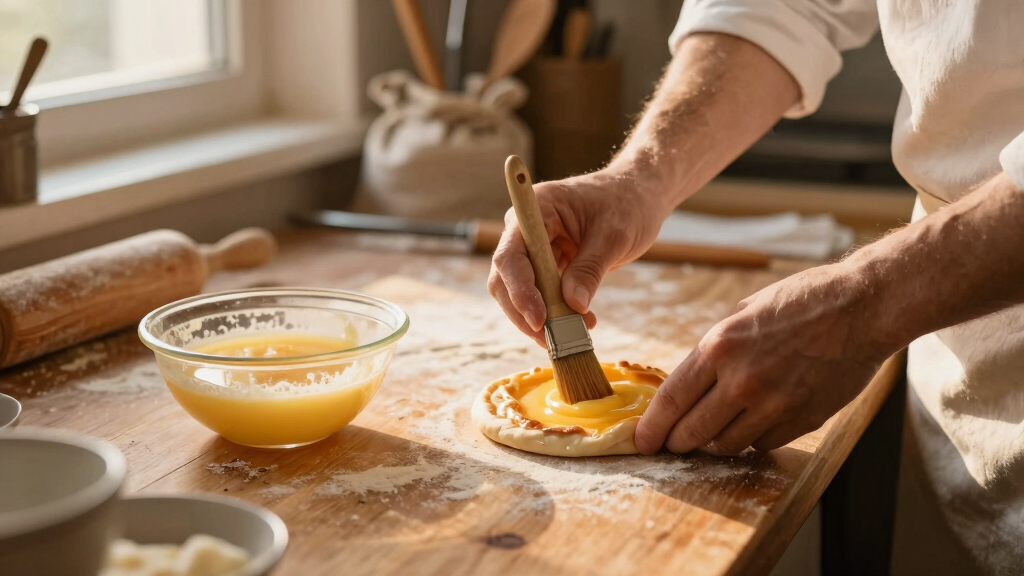
Prepare the wash until streak-free, use a soft pastry brush, and work with a light hand. The goal is complete surface contact without puddles.
Beat smooth
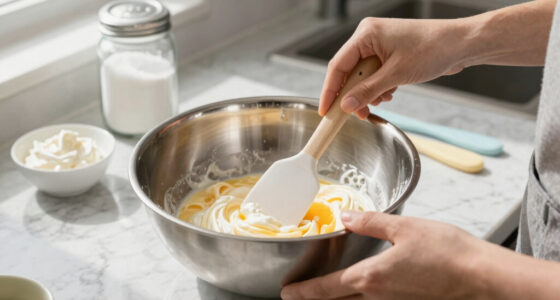
Whisk until yolk and white are fully combined with no visible streaks.
Load lightly
Dip only the brush tips, then remove excess against the bowl edge.
Brush evenly
Use long, gentle strokes. Avoid seams, cut edges, and pooled areas.
Bake now
Move directly to the oven so the wash does not soak into the dough.
From brushstroke to bakery finish
Every stage connects. A smooth wash enables even application; even application enables predictable heat reactions; those reactions produce the color, shine, and crunch you see.
Aquafaba
Creates light shine and helps toppings adhere without egg.
Milk
Encourages gentle browning with less gloss and a tender surface.
Cream
Adds fuller color and richness while keeping shine restrained.
Butter
Brush after baking for softness, flavor, and a mellow sheen.
Five decisions that protect the finish
Thin. Even. Timely.
The right wash sets the style, but technique determines the quality. Test a small area when appearance matters, especially on delicate pastry or enriched dough.
Egg wash FAQ
Can egg wash go on every baked good?
It works especially well on breads, pastries, and pie tops. Skip it when dietary needs, allergies, or a deliberately matte finish make another option more suitable.
How do I prevent burning?
Apply a thin layer, bake immediately, and monitor the oven. Avoid unnecessary mid-bake reapplication, which can make the surface darken too quickly.
What alternatives create shine?
Aquafaba offers a useful plant-based gloss. Milk, cream, and butter produce different levels of sheen, browning, richness, and softness.
How long should I beat the egg?
Beat only until completely combined and streak-free. A uniform mixture brushes more smoothly and produces a consistent finish across the dough.
What’s the magic behind egg wash’s shine and color?
Egg wash’s secret lies in its proteins and fats. The proteins in eggs create a glossy coating when baked, while the fats promote browning. The proteins undergo Maillard reactions during baking, which produce the appealing golden-brown hues and a shiny surface that looks appetizing. The fats, especially in yolks, help accelerate browning by increasing surface temperature and aiding caramelization. This combination results in a visually appealing crust with depth and vibrancy, which can also influence flavor perception—more golden and inviting.
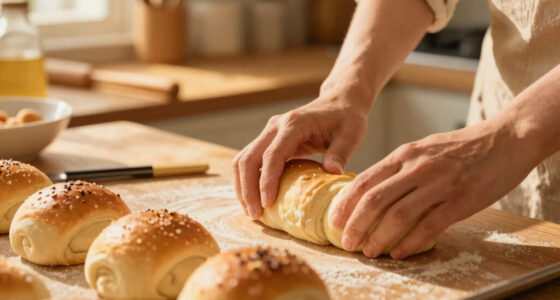
For instance, brushing a brioche with egg wash before baking gives it that unmistakable, shiny, caramel-colored crust. The richer the egg (whole or yolk), the more vibrant the finish. Choosing the right egg wash impacts not only appearance but also how the crust interacts with the filling or dough—thicker coatings can enhance color but may risk sogginess if not applied carefully.
Remember: the key is even coverage. A thin layer, brushed smoothly, prevents sogginess and ensures a consistent, professional look. Over-application can lead to uneven browning or a heavy crust, so understanding how much and when to apply is crucial for optimal results.
Additionally, the choice of egg wash can influence the final texture. For example, a thicker coating can create a crunchier surface, while a light wash yields a delicate, tender crust. Recognizing these tradeoffs allows you to customize your baked goods to your desired outcome.
Products Worth Considering

Breville Bambino Espresso Machine, Brushed Stainless Steel

Breville Barista Pro Espresso Machine with Grinder, Brushed Stainless Steel

De'Longhi Linea Classic Espresso Machine with Adjustable Milk Frother
As an affiliate, we earn on qualifying purchases.
How to choose the right egg wash for your baked goods?
Pick the right type based on your desired result. Here’s a quick rundown:
| Type of Egg Wash | Best For | Result |
|---|---|---|
| Whole egg | Most baked goods needing shine and deep color | Glossy, rich, deep golden |
| Egg yolk only | Pastries, bread crusts | Very shiny, deep amber hue, with a richer, more intense coloration due to higher fat content |
| Egg white only | Clear shine, crisp crusts | Glossy surface with minimal color, ideal for a transparent finish |
| Diluted egg (1:1 with water or milk) | Light shine, subtle color, or for delicate pastries | Soft sheen and gentle hue, reducing browning and preventing over-darkening |
Understanding these differences helps you tailor your approach. For example, using egg yolk alone will give a rich, deep color suitable for artisan bread or golden pastries. Conversely, diluting the egg with water or milk softens the sheen and controls browning, making it ideal for more delicate baked goods where a subtle appearance is desired.
Experimentation is key—testing different egg washes on small sections of your baked goods allows you to observe how each affects browning, shine, and texture. Recognizing these tradeoffs helps you refine your technique for specific recipes, whether aiming for a deep, golden crust or a subtle, glossy finish that highlights the natural color of the dough or filling.
Frequently Asked Questions
Can I use egg wash on all types of baked goods?
Egg wash works well on bread, pastries, and pies, adding shine and color. However, it may not suit all dietary needs or preferences—consider alternatives if you’re vegan or allergic.
How do I avoid over-browning or burning my egg wash?
Apply a thin, even layer and bake immediately. Reapplying during baking can cause over-browning. Keep an eye on your oven’s temperature to prevent burning.
Are there safe, egg-free options for giving baked goods a shiny finish?
Yes, options like milk, cream, butter, or plant-based alternatives like aquafaba can mimic egg wash effects. They’re especially popular in vegan baking or for those with egg allergies.
How long should I beat the eggs for a smooth wash?
Beat the eggs until the yolk and whites are thoroughly combined, with no streaks. This ensures an even, glossy finish when brushed onto your dough.
Conclusion
Mastering egg wash techniques is the secret to bakery-quality shine, color, and crunch at home. It’s a simple step that transforms your baked goods from good to irresistible.
Next time you brush on that egg wash, remember: a thin, even layer applied at the right moment makes all the difference. Your baked creations will look stunning—and taste even better.