
TL;DR

Get baking supplies delivered free with Prime
- Fast, free delivery on millions of items
- Prime Video, Amazon Music and more included
- Member-only deals all year
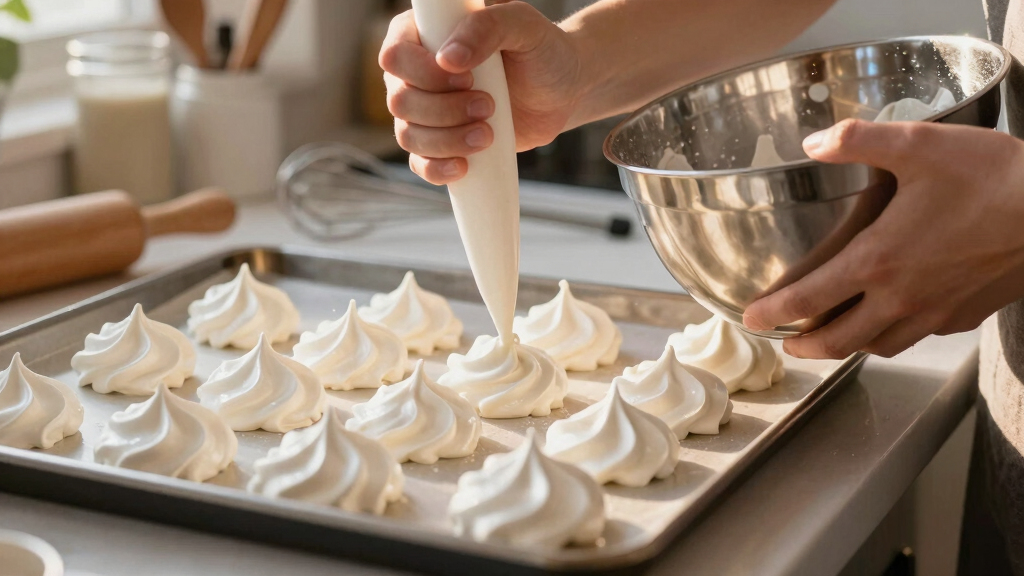
Proper preparation, gentle handling, and low-temperature baking are key for a meringue that stays crisp and stable. Stabilizers like cream of tartar can make a big difference. Humidity and overwhipping are common pitfalls to avoid.
Ever had a meringue turn soggy, collapse, or leak moisture just when you thought it was perfect? That frustration is common but fixable. Achieving a meringue that stays crisp and holds its shape isn’t about luck — it’s about technique, timing, and a few insider tricks.
This guide is your practical toolkit. Whether you’re baking a pavlova, a meringue topping, or a delicate shell, you’ll learn how to prevent weeping and collapse, making your meringue reliably beautiful every time.
Use fresh, room-temperature egg whites and whip to glossy, stiff peaks for best structure.
Add superfine sugar gradually during whipping to prevent weak, grainy meringue.
Incorporate stabilizers like cream of tartar or cornstarch to improve resistance to weeping and collapse.
Bake slowly at low temperatures and dry thoroughly to achieve crisp, stable meringue.
Humidity is your enemy — keep meringue in a dry environment and avoid sudden temperature changes.
The secrets behind a stable meringue: what really makes it hold up
Stable meringue starts with the right egg whites and gentle handling. Fresh, room-temperature whites whip up into volume more easily and hold air better. Contaminants like yolk or grease weaken the structure, so careful separation is key.
Adding superfine sugar gradually once soft peaks form creates a glossy, firm meringue. This slow incorporation ensures the sugar dissolves completely, preventing a gritty texture or weak structure. Using a pinch of cream of tartar or lemon juice stabilizes the egg whites, helping them resist collapsing or weeping.
Whipping to stiff, glossy peaks is crucial. Over-whipping dries out the protein network, making it fragile and prone to collapse. Under-whipping leaves a weak structure that leaks moisture or falls apart. The goal is firm but tender peaks that stand tall.
Understanding why these factors matter helps you troubleshoot issues. For instance, over-whipping creates a dense, dry foam that can crack or collapse once baked or exposed to moisture. Under-whipping results in a fragile structure that cannot support toppings or hold its shape. Proper stabilization with sugar and acids like lemon juice strengthens the network, making it more resistant to environmental factors like humidity or temperature fluctuations. This understanding allows bakers to balance these variables for a reliable meringue every time.
Products Worth Considering

Breville Barista Pro Espresso Machine with Grinder, Brushed Stainless Steel

Breville Bambino Espresso Machine, Brushed Stainless Steel

KitchenAid Artisan 5-Quart Tilt-Head Stand Mixer, Almond Cream
As an affiliate, we earn on qualifying purchases.
How to whip egg whites perfectly every time
- Start with fresh, room-temperature egg whites. They whip up faster and hold more air, which is essential for volume and stability. Cold whites tend to whip less efficiently, leading to a denser meringue that’s more prone to collapse.
- Use a clean, dry bowl—preferably metal or glass. Avoid plastic that can hold grease residues, which interfere with foam formation and weaken the structure.
- Add a pinch of cream of tartar or a small squeeze of lemon juice before whipping. These acids stabilize the proteins, making the foam more resilient against overbeating and environmental moisture.
- Begin whipping on medium speed, then increase to high once bubbles form. Whip until soft peaks start to hold their shape. This gradual increase prevents over-agitation and promotes even stabilization.
- Gradually add superfine sugar, a tablespoon at a time, while continuing to whip. Whip until stiff, glossy peaks form—about 4-6 minutes. The slow addition allows sugar to dissolve thoroughly, preventing gritty texture and weak spots in the foam.
- Stop whipping as soon as the peaks stand tall and glossy without drooping. Over-whipping dries out the proteins, causing cracks and collapse, so watching for this point ensures optimal stability.
Imagine a fluffy cloud of whipped whites, holding firm but still tender. That’s your goal — firm peaks that won’t collapse or weep. Achieving this balance is crucial because it directly impacts the final texture and appearance of your baked meringue. Over-whipped whites can become stiff and dry, leading to cracks and structural failure, while under-whipped whites lack the necessary elasticity, resulting in a fragile foam prone to collapse under minimal stress. Mastering this step means understanding the signs of perfect peaks and knowing when to stop, ensuring your meringue’s structural integrity and aesthetic appeal.
What causes weeping and collapse — and how to avoid it
| Issue | Cause | Solution |
|---|---|---|
| Weeping (moisture leaks out) | Underbaked, high humidity, overbeaten whites, or improper cooling | Bake slowly at low temp, dry thoroughly, cool gradually, and store in a dry environment. Using stabilizers can also help create a stronger protein network resistant to moisture. |
| Collapse (structure falls apart) | Overwhipping, rapid temperature change, weak structure, or insufficient stabilization | Use stabilizers like cream of tartar or cornstarch, avoid overwhipping, and bake at gentle, consistent heat. Cooling slowly in the oven or at room temperature preserves the structure. |
Think of weeping as your meringue sweating out excess moisture—like a sponge saturated with water—and collapse as the house of cards tumbling down when the support network fails. Both issues occur when the delicate protein network isn’t resilient enough to withstand environmental stresses or handling. For example, high humidity introduces moisture into the air, which can penetrate the meringue’s surface and cause it to leak, especially if the structure isn’t fully dried or stabilized. Overbeating can damage the foam’s elasticity, making it more prone to collapse under weight or temperature shifts. Recognizing these causes helps you implement preventative measures—like stabilizers, controlled baking, and gentle cooling—that reinforce the meringue’s resilience, ensuring it remains intact and beautiful.
Baking tips that make your meringue stay perfect
- Use a low oven temperature — around 90-120°C (200-250°F). This gentle heat ensures even drying without rapid moisture loss, which can cause cracking or collapse.
- Keep the oven door slightly ajar to let moisture escape. This prevents humidity buildup inside, which can weaken the structure and cause weeping.
- Dry the meringue slowly for 1-2 hours, depending on thickness. Slow drying allows moisture to evaporate gradually, resulting in a crisp, stable shell rather than a fragile, moist interior.
- Let it cool in the oven with the door open — this prevents sudden temperature shifts that can cause cracking or collapse. This slow cooling helps the structure set evenly and reduces stress on the fragile foam.
- Store in a dry, airtight container away from humidity. Proper storage prevents moisture absorption, which can compromise the crispness and cause weeping over time.
Imagine placing a delicate glass sculpture in a warm, humid room — it’s doomed. The same applies to meringues. Slow drying and a controlled environment keep them crisp and intact. The tradeoff here is time: slower drying takes longer but results in a more durable, visually appealing meringue that resists weeping and collapse. Rushing the process by increasing temperature or sealing in moisture can lead to cracks, sogginess, or structural failure. Embracing patience and environmental control ensures your meringue remains a beautiful, airy masterpiece.
What you need to know about stabilizers and extras
Adding stabilizers like cream of tartar or cornstarch can boost your meringue’s resilience. These ingredients help proteins form a stronger network, resisting moisture and collapse. For example, a pinch of cornstarch (about 1/4 teaspoon per egg white) can improve stability by up to 30%. This means your meringue is less likely to weep or fall apart over time, especially in humid conditions or when handling large batches. The stabilizers work by slightly acidifying the whites or creating a barrier that prevents moisture from penetrating the foam, which is crucial for maintaining structure during baking and storage.
Some recipes incorporate vinegar or lemon juice to acidify the whites, which enhances their ability to hold air and resist collapse. Acidic conditions tighten the protein network, making it more elastic and less prone to cracking or collapsing under stress. These tweaks are especially useful in humid environments or when making large batches that need to hold their shape longer. However, overuse can alter the flavor or texture, so understanding the balance is key. Remember: stabilizers are optional but can be game-changers for perfect, lasting meringue, especially when you need extra assurance of stability.
In essence, stabilizers act as structural reinforcements, allowing your meringue to withstand environmental stresses and handling. Choosing the right stabilizer and quantity depends on your recipe, environment, and desired outcome, but their proper use can elevate your meringue from good to professional quality.
Frequently Asked Questions
Why does my meringue weep or become soggy after baking?
Weeping often results from underbaking, excess humidity, or overbeating the whites. Proper drying during baking and stopping at the right peak stability can prevent this.How can I prevent my meringue from collapsing?
Use stabilizers like cream of tartar or cornstarch, avoid overwhipping, and bake at low, steady temperatures. Cooling slowly in the oven also helps maintain structure.Can I make meringue in humid weather?
Humidity makes it harder for meringue to dry out, increasing weeping risk. In such conditions, use stabilizers, bake longer at lower temps, and store in a dry place.How do I know when my meringue is fully baked?
It should feel dry and crisp to the touch and peel away cleanly from parchment. Inside, it should be firm but not sticky or moist.Is it okay to make meringue ahead of time?
Yes, store in an airtight container in a dry spot. For best appearance, add toppings just before serving to keep everything crisp and fresh.Conclusion
The secret to a meringue that doesn’t weep or collapse? Patience and attention to detail. From stabilizing the whites to baking at just the right temperature, each step builds resilience.
Next time you whip up a batch, remember: a little care goes a long way. Make it slow, stabilize it, and let it dry. Your perfect meringue will thank you with crisp, airy perfection — ready to elevate any dessert.