TL;DR

Get baking supplies delivered free — and shop member deals
- Fast, free delivery on millions of items
- Access to Prime Big Deal Days deals on October 6–7
- Prime Video, Amazon Music and more included
To prevent homemade bread from molding, cool it completely before storing, choose the right method—preferably freezing—and control humidity and temperature. Natural preservatives and smart packaging also help extend shelf life.
Imagine biting into a fresh slice of homemade bread only to find it covered in fuzzy mold a day later. Frustrating, right? But the truth is, mold spores are everywhere, waiting to settle when conditions are just right. Your goal isn’t just to keep bread soft or crusty, but to keep it safe and mold-free for as long as possible. Today, you’ll learn the concrete steps that make that happen—no hype, just real, practical tips backed by what’s working now.
Whether you bake once a week or stock up for the month, mastering storage is the secret to enjoying your bread longer. From cooling techniques to the latest natural preservatives and innovative packaging, this guide breaks down everything you need to know. Ready to keep your bread fresh—and mold out of your kitchen? Let’s dive in.
Always cool homemade bread completely before storing to prevent condensation and mold.
Freezing is the best method for long-term storage—wrap tightly to prevent freezer burn.
Natural ingredients like vinegar or sourdough can inhibit mold growth without artificial preservatives.
Choose storage options based on how long you want to keep bread—paper bags for short-term, freezing for long.
Innovative packaging and smart storage devices are emerging to keep bread fresher and mold-free longer.
Why Proper Cooling Before Storage Is Your First Line of Defense
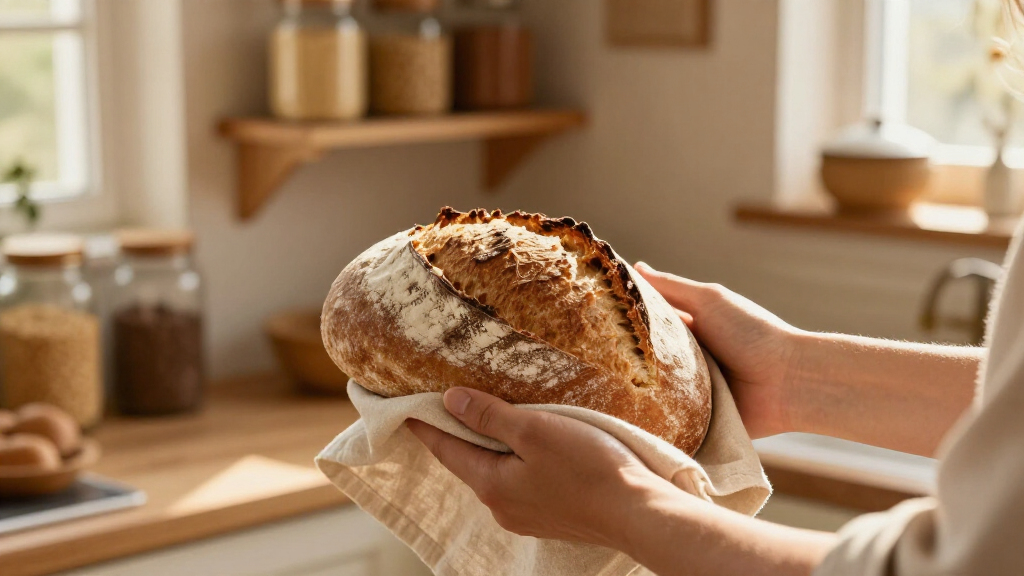
The first step to prevent mold is simple but often overlooked: let your bread cool completely before storing. Hot bread releases steam, which turns into condensation inside your storage container. That moisture creates the perfect environment for mold to thrive. Imagine wrapping a steaming loaf in plastic—moisture gets trapped, and mold spores quickly settle in.
For example, after baking a hearty sourdough, I wait at least an hour for it to cool on a wire rack. I’ve seen homemade loaves develop mold in just two days when stored warm. Cooling ensures the crust stays crispy and the interior stays dry, prolonging freshness and safety.
In practice, aim for at least 2 hours at room temperature—longer if your kitchen is warm or humid. Patience here saves you from mold problems down the line.
bread storage containers for homemade bread
As an affiliate, we earn on qualifying purchases.
As an affiliate, we earn on qualifying purchases.
How to Choose the Best Storage Method for Your Homemade Bread
Not all storage options are created equal when it comes to mold prevention. Here’s a quick comparison:
| Method | Pros | Cons |
|---|---|---|
| Room temperature in a paper bag or bread box | Maintains crust crispness, allows moisture to escape | Short shelf life—about 2-3 days |
| Plastic wrap or bag | Great for short-term, keeps bread soft | Traps moisture, increases mold risk if kept too long |
| Refrigeration | Slows mold growth | Accelerates staling and can promote mold due to humidity |
| Freezing | Extends shelf life up to 3 months | Requires proper wrapping, may affect texture if not done right |
For most home bakers, the best balance is a bread box or paper bag for daily use, and freezing for longer storage. Wrap bread tightly in plastic or aluminum foil before freezing, then pop it into an airtight container or freezer bag. When ready to eat, warm slices briefly in the oven to restore some of that freshly baked feel.
freezer bread bags for long-term storage
As an affiliate, we earn on qualifying purchases.
As an affiliate, we earn on qualifying purchases.
Natural Preservatives That Help Keep Mold Away
Ever wonder if you can naturally extend your bread’s life? The answer is yes. Ingredients like vinegar or sourdough starters create an environment less friendly to mold. Acidic conditions inhibit mold spores from settling and growing.
For example, adding a teaspoon of vinegar to your dough can slightly lower the pH, making it harder for mold to take hold. Similarly, using a sourdough starter instead of commercial yeast introduces beneficial bacteria that produce acids, naturally resisting mold without artificial preservatives.
Some bakers also experiment with herbs like rosemary or essential oils like tea tree oil—just a few drops in the dough or storage container can make a difference. But always remember: natural doesn’t mean mold-proof. Good storage practices remain essential.
As an affiliate, we earn on qualifying purchases.
Innovations in Bread Storage That Keep Mold at Bay
Storage isn’t just about wrapping anymore. Modern solutions are transforming how we keep bread fresh. Breathable, antimicrobial bread bags, for instance, allow moisture to escape but prevent mold spores from settling. These bags are coated with natural antimicrobial agents that actively inhibit mold growth.
Another breakthrough is smart bread boxes equipped with humidity control and antimicrobial surfaces. They maintain an ideal environment—neither too damp nor too dry—helping bread stay fresh longer.
And for those into natural fermentation, using lower pH sourdough with added natural preservatives can extend shelf life without sacrificing taste or healthfulness. These innovations are making it easier than ever to enjoy homemade bread without mold worries.
As an affiliate, we earn on qualifying purchases.
How to Store Bread for Maximum Freshness and Safety
To keep your homemade bread fresh and mold-free, follow this simple step-by-step guide:
- Cool completely on a wire rack for at least 2 hours.
- Choose your storage method: Use a bread box or paper bag for daily use. Freeze slices or whole loaf if you won’t eat it within a few days.
- Wrap properly—use plastic wrap or aluminum foil before freezing for airtight protection.
- Label and date your frozen bread so you use the oldest first.
- Inspect regularly for signs of mold or spoilage.
In practice, I keep a loaf in a bread box for 2-3 days, then transfer leftovers to the freezer. When I want a slice, I toast it straight from frozen. This keeps my bread tasting fresh and mold-free for weeks.
Frequently Asked Questions
How can I prevent homemade bread from molding quickly?
Always let your bread cool completely before storing. Use the right storage method—preferably freezing for longer-term—and keep it in a cool, dry place. Natural preservatives like vinegar or sourdough starters also help slow mold growth.
Is it safe to eat bread that has some mold?
It’s safest to discard moldy bread. Mold can produce toxins that penetrate the entire loaf, even if you cut away the visible mold. Always err on the side of caution to avoid health risks.
What’s the best way to store bread for maximum freshness?
For short-term, keep in a bread box or paper bag at room temperature. For longer storage, freeze slices or the whole loaf wrapped tightly in plastic or foil. Remember to label and date your frozen bread.
Can I use preservatives to prevent mold?
Natural options like vinegar or sourdough fermentation can help inhibit mold without artificial additives. Commercial preservatives are generally not used in homemade bread, but natural acids are effective and safe when used properly.
How does freezing affect bread quality?
Properly wrapped, freezing preserves bread’s taste and texture for up to three months. Thaw slices at room temperature or toast straight from the freezer for best results.
Conclusion
The key to enjoying your homemade bread without mold is a combination of proper cooling, smart storage choices, and natural preservation. Think of it like giving your bread a protective shield—keeping moisture out and environment just right.
Next time you bake, remember: patience in cooling and attention in storage can make your loaf last far longer. A fresh slice waiting in the freezer beats moldy bread every time—and keeps your baking efforts worthwhile.
Fall Picks
fall essentials
As an affiliate, we earn on qualifying purchases.