
TL;DR

Get baking supplies delivered free — and shop member deals
- Fast, free delivery on millions of items
- Access to Prime Big Deal Days deals on October 6–7
- Prime Video, Amazon Music and more included
A smart pantry setup—airtight containers, cool dark spots, and proper labeling—keeps baking staples fresh longer. Staying on top of storage methods and shelf life helps reduce waste and ensures better baking results.
Imagine opening your pantry and finding your flour, sugar, and baking powder still fresh and fragrant, months after purchase. It’s not magic—it’s smart storage. Many home bakers struggle with ingredients turning stale or spoiling too quickly, wasting money and time.
In this guide, you’ll learn how to set up a pantry that keeps your baking staples at their peak longer. From choosing the right containers to controlling temperature and humidity, you’ll see practical steps that make a real difference in your baking game.
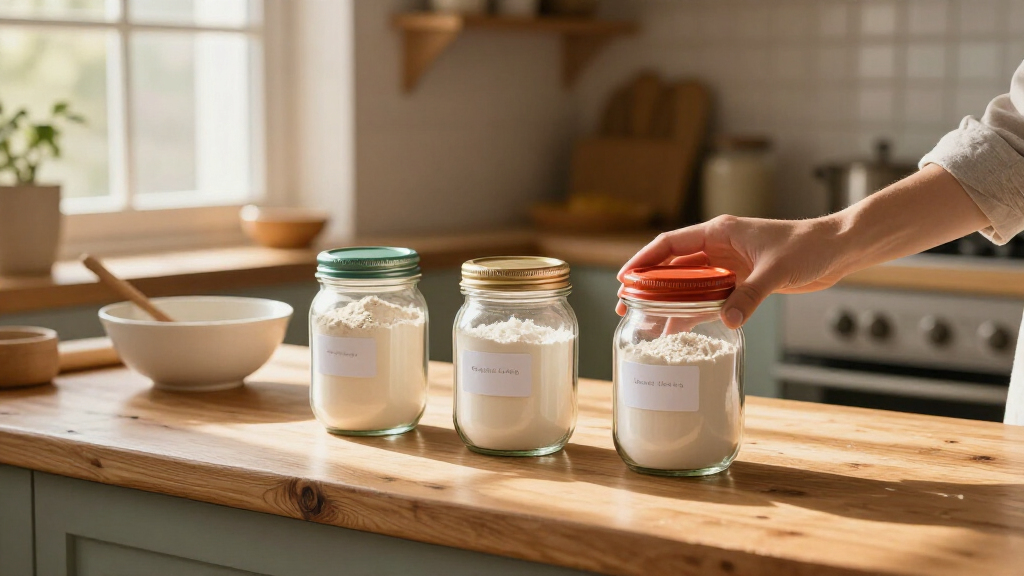
Use airtight, opaque containers to prevent moisture, light, and air from degrading your ingredients.
Store staples in a cool, dark place, ideally between 50-70°F, to slow spoilage.
Label containers with purchase and expiration dates to track freshness and prevent waste.
Control humidity in your pantry with silica gel packs or dehumidifiers to avoid mold and rancidity.
Consider modern tools like vacuum-sealers and smart containers for longer shelf life and better monitoring.
The Pantry Setup That Keeps Baking Staples Fresh Longer
Airtight containers, cool dark spots, and proper labeling aren’t just tidiness—they’re the three pillars that keep flour, sugar, and leaveners at their peak for up to a year. Here’s how to build a pantry that protects every ingredient.
Why Airtight Containers Are Your Best Friend
Airtight containers block out moisture, light, and air—the three enemies of freshness. Flour exposed to humidity clumps and molds; unprotected sugar attracts pests and absorbs odors. Material choice matters.
Glass Jars
Non-porous, odor-free, and never stains. Opaque or amber glass adds light protection. The gold standard for flour and sugar.
Food-Grade Plastic
Lightweight and clear for at-a-glance inventory. Choose high-quality, food-grade options—cheap plastic retains odors and stains over time.
Metal Tins
Completely opaque, blocking all light degradation. Ideal for nuts, seeds, and oils prone to oxidation and rancidity.
Finding the Perfect Spot in Your Kitchen
Where you store staples matters as much as how. Heat and light accelerate rancidity in fats and oxidation in oils. Nuts stored near a stove turn rancid fast. Follow this placement chain:
Survey Heat Sources
Keep staples away from stoves, ovens, dishwashers, and sunny windowsills.
Choose a Dedicated Shelf
A cool, dark, dry cabinet or pantry shelf away from appliances.
Monitor Conditions
Use a thermometer to verify the 50–70°F zone stays stable.
Adjust as Needed
Add silica gel packs, ventilation, or a small dehumidifier if readings drift.
Temperature & Humidity: The Hidden Keys
High heat speeds oxidation—fats in nuts and seeds go rancid. Excess humidity invites mold and clumping. Fluctuations cause condensation inside containers. Find your zone:
How Long Your Staples Really Last
Know the numbers and label accordingly—purchase date on every container enables proper stock rotation and prevents waste.
Five Habits, One Fresh Pantry
Frequently Asked Questions
Best container for flour and sugar?
Airtight, opaque containers of glass or high-quality plastic with secure seals. They block moisture, light, and air—dramatically extending freshness.
How do I know if staples went bad?
Off smells, discoloration, clumping, or mold. Rancid odors or stale taste in nuts and seeds signal spoilage. When in doubt, discard.
Fridge or freezer storage?
Yes—especially for flour, nuts, and seeds. Keep containers airtight to prevent moisture absorption and odor transfer from other foods.
Signs of moisture or pests?
Clumping, mold, off smells, or tiny insects. Inspect regularly and keep containers tightly sealed to prevent infestations.
Why Airtight Containers Are Your Best Friend in the Pantry
When it comes to preserving baking staples, airtight containers are non-negotiable. They block out moisture, light, and air—three enemies of freshness. Imagine flour exposed to humidity—clumps form, and mold can develop. Sugar, if left unprotected, can attract pests or absorb odors.
Choosing containers made of glass, metal, or high-quality plastic with secure seals ensures your ingredients stay uncontaminated. Clear models help you see at a glance what’s inside, reducing the chance of buying duplicates or forgetting what you have. The tradeoff is that some materials, like plastic, may stain or retain odors over time, so choosing high-quality, food-grade options is crucial. Proper sealing minimizes air exchange, which slows oxidation and spoilage. Labeling each container with purchase and expiration dates helps you rotate stock effectively, preventing ingredients from languishing past their prime. This proactive approach reduces waste and ensures consistent quality in your baked goods.
airtight storage containers for baking ingredients
As an affiliate, we earn on qualifying purchases.
As an affiliate, we earn on qualifying purchases.
The Perfect Spot: How to Find the Best Place in Your Kitchen
Where you store your baking staples impacts their longevity as much as how you store them. The ideal spot is a cool, dark, and dry corner of your kitchen or pantry. Exposure to heat and light accelerates chemical reactions in ingredients, such as fats going rancid or oils oxidizing, which not only spoils the flavor but can also pose health risks. For example, storing nuts near a stove exposes them to fluctuating temperatures and humidity, leading to quicker rancidity and potential mold growth. Choosing a space away from heat sources helps maintain a stable environment, preserving the quality of your ingredients.
Maintaining a consistent temperature—ideally between 50-70°F (10-21°C)—and low humidity are critical. Fluctuations can cause condensation inside containers, leading to clumping or mold. A dedicated pantry shelf away from appliances and sunlight minimizes these risks. Using a simple thermometer to monitor conditions allows you to make adjustments, like adding a dehumidifier or silica gel packs if needed. This careful placement reduces the rate of spoilage and ensures your ingredients stay fresh longer, which in turn improves the flavor and texture of your baked goods.
opaque flour and sugar storage jars
As an affiliate, we earn on qualifying purchases.
As an affiliate, we earn on qualifying purchases.
Temperature and Humidity Control: The Hidden Keys to Freshness
Maintaining optimal temperature and humidity levels in your pantry isn’t just about comfort—it’s about preventing chemical and biological changes that degrade your ingredients. High temperatures speed up oxidation, causing fats in nuts and seeds to become rancid, while excess humidity fosters mold growth and clumping, making ingredients unusable. For instance, flour exposed to moisture can develop a sticky, moldy surface, and nuts stored in humid conditions can turn rancid faster, losing their flavor and nutritional value. The tradeoff in trying to control humidity is that it requires additional tools or measures, like silica gel packs or dehumidifiers, which may incur extra cost or effort. However, these investments pay off by significantly extending shelf life and maintaining ingredient quality.
Using a hygrometer helps you monitor conditions precisely. Regular checks (monthly or bi-monthly) enable you to respond quickly—adding silica gel packs, increasing ventilation, or using a dehumidifier if needed. Consistently low humidity and moderate temperatures slow down spoilage processes, preserving freshness and flavor. This proactive approach ensures that your ingredients remain in optimal condition, reducing waste and improving your baking results over time.
As an affiliate, we earn on qualifying purchases.
Frequently Asked Questions
What is the best container for storing flour and sugar?
Airtight, opaque containers made of glass or high-quality plastic with secure seals are ideal. They keep out moisture, light, and air, dramatically extending freshness.How can I tell if my baking staples have gone bad?
Look for off smells, discoloration, clumping, or mold. Rancid odors or a stale taste in nuts and seeds also indicate spoilage. When in doubt, discard.Can I store baking ingredients in the refrigerator or freezer?
Yes, for longer storage, especially for flour, nuts, or seeds. Just ensure containers are airtight to prevent moisture absorption and odors from other foods.What are the signs of moisture or pest infestation in pantry staples?
Clumping, mold, off smells, or tiny insects are signs of moisture or pests. Regularly inspect and keep containers sealed tightly to prevent these issues.Are there natural ways to extend the shelf life of baking ingredients?
Using oxygen absorbers, adding natural preservatives like vitamin E, and storing in vacuum-sealed packages or in the freezer can significantly prolong freshness.As an affiliate, we earn on qualifying purchases.
Conclusion
Creating a well-organized, climate-controlled pantry isn’t just about tidiness—it’s about extending the life of your ingredients, saving money, and ensuring every batch turns out perfect.
Invest in good containers, keep your environment cool and dark, and stay vigilant about signs of spoilage. Your baking will thank you with fresher flavors and fewer surprises.
Fall Picks
fall essentials
As an affiliate, we earn on qualifying purchases.