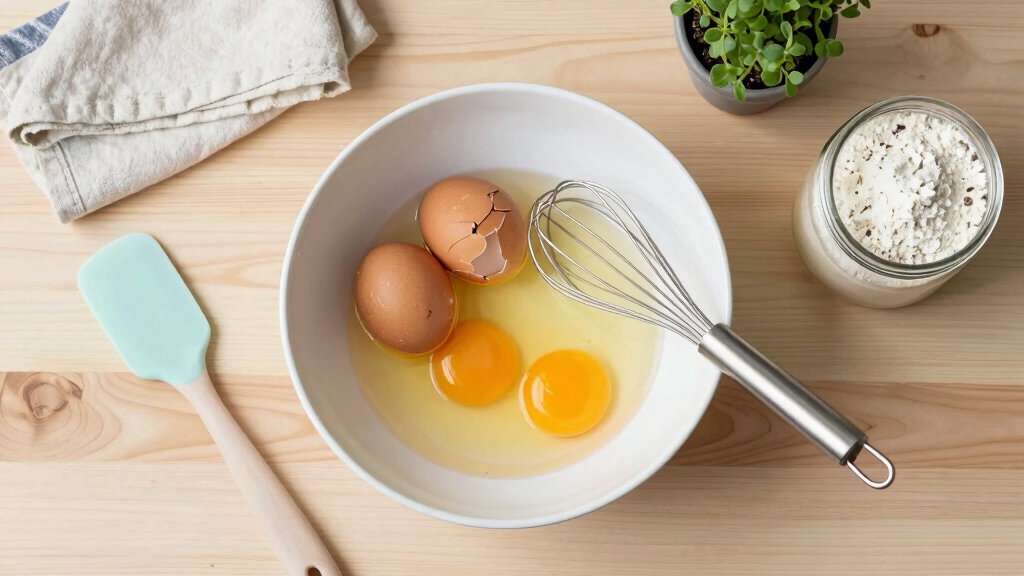

TL;DR

Get baking supplies delivered free with Prime
- Fast, free delivery on millions of items
- Prime Video, Amazon Music and more included
- Member-only deals all year
Egg safety in baking depends on proper storage, handling, and thorough cooking. Using pasteurized eggs and good hygiene significantly reduces the risk of foodborne illness, especially from Salmonella.
Always store eggs in the fridge at or below 40°F and keep them in their original carton.
Use pasteurized eggs for recipes involving raw or lightly cooked eggs to minimize Salmonella risk.
Cook eggs until both whites and yolks are firm, reaching at least 160°F (71°C).
Wash hands, utensils, and surfaces thoroughly after handling raw eggs to prevent cross-contamination.
Recent innovations like pasteurized egg products make baking safer without sacrificing texture or flavor.
Egg Safety in Baking: What You Need to Know
Eggs bring structure, richness and lift—but raw egg can also carry Salmonella. Safe baking comes down to a short, repeatable system: keep eggs cold, reject damaged shells, prevent cross-contamination and cook egg dishes thoroughly.
Build safety before you crack the shell
Eggshells are porous. Stable refrigeration, intact shells and the original carton help protect eggs from temperature swings, moisture loss, odors and environmental contamination.
Keep eggs at 40°F or below
Store them in the coldest stable area of the refrigerator—not in the door, where repeated opening causes temperature fluctuations.
Keep the original carton
The carton limits moisture loss, cushions the shells and helps prevent eggs from absorbing strong odors from foods such as garlic or fish.
Discard cracked eggs
A damaged shell creates an easier route for bacteria. Check each egg before use and reject eggs with cracks, leaks or an unusual odor.
The float test is about age
A sinking egg is generally fresher; an upright or floating egg is older. The test does not prove microbiological safety, so shell condition, odor, storage and cooking still matter.
Match the egg to the recipe
“Pasteurized” is the label that matters most for raw or lightly cooked recipes. Gentle heat treatment reduces harmful bacteria without fully cooking the egg.
Pasteurized eggs
Choose shell, liquid or other pasteurized products for mousse, uncooked frosting, homemade mayonnaise and recipes that will not reach a safe temperature.
Regular eggs
Appropriate when stored correctly and the finished dish is cooked thoroughly. Fresh appearance alone does not guarantee the absence of Salmonella.
Organic or free-range
These terms describe production practices, not guaranteed microbial safety. Storage, handling, pasteurization and cooking remain decisive.
Cook to a measured endpoint
Visual cues can mislead. A thermometer confirms that the center of a custard, quiche or other egg-containing dish has reached the temperature needed to destroy harmful bacteria.
| Recipe or use | Regular egg | Pasteurized egg | Required control |
|---|---|---|---|
| Muffins, cakes and cookies | ✓ Suitable | ✓ Suitable | Cook batter thoroughly; avoid tasting it raw |
| Quiche and baked custard | ✓ Suitable | ✓ Suitable | Center must reach at least 160°F / 71°C |
| Mousse or uncooked frosting | ✗ Avoid raw | ✓ Preferred | Use a product labeled pasteurized |
| Lightly cooked egg filling | ~ Caution | ✓ Safer choice | Pasteurize or verify a safe time-temperature step |
| Frozen eggs for later baking | ~ Prepare first | ~ Check label | Beat before freezing; never freeze in the shell |
The baker’s critical checkpoint
For egg dishes such as custards and quiches, measure the internal temperature at the center. Aim for at least 160°F (71°C). For separately cooked eggs, both white and yolk should be firm.
One safe path from carton to plate
Every handoff matters. Following the same chain each time makes safe behavior automatic and keeps raw egg away from ready-to-eat food.
1. Inspect
Check the date, label and shell. Reject cracks or leaks.
2. Chill
Refrigerate in the carton at or below 40°F.
3. Separate
Keep raw egg away from clean tools and finished foods.
4. Verify
Cook egg dishes to at least 160°F / 71°C.
5. Serve
Enjoy promptly and refrigerate foods that require chilling.
Wash the contact points
Clean hands, bowls, whisks, spatulas, counters and any surface touched by raw egg before moving on to ready-to-eat ingredients.
Add an extra margin of safety
Pregnant people, young children, older adults and immunocompromised individuals should avoid raw or undercooked egg and favor pasteurized products.
Your five-point baking safety net
Advances in pasteurization, hen vaccination, regulation and convenient liquid or powdered products have improved safety—but the baker still controls the final steps.
Before the first bite
- 1Refrigerate eggs at or below 40°F / 4°C.
- 2Keep them in the original carton and discard cracked shells.
- 3Use pasteurized eggs when the recipe stays raw or lightly cooked.
- 4Verify 160°F / 71°C in egg-containing dishes.
- 5Wash hands, utensils and surfaces after raw-egg contact.
Fast answers
Can store-bought eggs be used raw?
Choose pasteurized eggs for mousse, mayonnaise and other uncooked recipes.
Can eggs be frozen?
Yes—remove them from the shell and beat them first. Never freeze eggs in their shells.
Are farm-fresh eggs automatically safer?
No. Production style does not replace refrigeration, hygiene or adequate cooking.
Safe baking is not complicated: keep eggs cold, choose pasteurized when needed, prevent cross-contact and let a thermometer confirm the finish.
How to Store Eggs for Maximum Freshness and Safety
Proper storage is the first step in egg safety. Keep eggs in their original carton in the coldest part of your refrigerator, ideally at or below 40°F (4°C). This prevents moisture loss and contamination. Avoid storing eggs on the fridge door, where temperatures fluctuate with frequent openings.
Imagine pulling eggs out of the fridge for baking — if they’ve been stored properly, they’ll be firm, cold, and fresh. Check for cracks — cracked eggs are a gateway for bacteria, and it’s best to discard them. When in doubt, perform the float test: gently place the egg in a bowl of water. If it sinks and lies flat, it’s fresh. If it stands upright or floats, it’s past its prime and better left out of your baking.
Keeping eggs in their original carton also prevents moisture loss and keeps them protected from absorbing strong odors from other foods, like garlic or fish, which can seep through the shell. This simple step preserves both safety and flavor.
Why does proper storage matter? Because eggs are porous and can absorb odors and bacteria from their environment. Storing eggs correctly minimizes the risk of contamination and spoilage, ensuring that they remain safe to eat and maintain their quality for baking. Proper storage also allows you to better gauge freshness, which is crucial when using eggs in recipes that rely heavily on their structure and moisture content.
Products Worth Considering
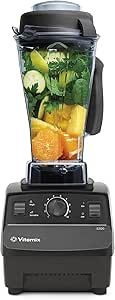
Vitamix 5200 Professional-Grade Blender, 64 oz. Container, Black

Weber Searwood 600 Wood Pellet Smoker Grill, Black

KitchenAid Artisan 5-Quart Tilt-Head Stand Mixer, Almond Cream
As an affiliate, we earn on qualifying purchases.
Understanding Egg Labels: What Does ‘Pasteurized’ Really Mean?
Egg labels can be confusing. The key term for safety is “pasteurized”. Pasteurized eggs have been gently heat-treated to kill harmful bacteria like Salmonella without cooking the egg itself. This process is crucial because it allows you to use eggs raw or lightly cooked without significantly increasing health risks. For bakers, this means you can incorporate raw eggs into recipes like mousse or homemade mayonnaise with confidence, knowing the bacteria have been neutralized beforehand.
In contrast, regular eggs — even if fresh — may carry a higher risk of Salmonella if they are unpasteurized. The significance lies in the fact that pasteurization directly reduces the presence of live bacteria, which can be deadly or cause severe illness, especially in vulnerable populations. Using pasteurized eggs reduces this risk by up to 99%, making it a wise choice for recipes that do not undergo thorough cooking.
Always check labels before purchasing. If your recipe involves raw eggs, opting for pasteurized eggs is a proactive step to safeguard your health. They are available in liquid, shell, or pre-cooked forms, providing flexibility for various baking needs and reducing the anxiety around potential contamination.
Understanding what pasteurization entails helps you make informed choices, balancing safety with convenience, especially when preparing delicate or raw-egg-reliant desserts. It’s a tradeoff worth considering, as it minimizes risk while allowing you to enjoy your favorite recipes with peace of mind.
Cook Eggs the Right Way to Kill Bacteria and Keep Your Baking Safe
The golden rule for egg safety? Cook eggs until both the whites and yolks are firm. For dishes like quiches or custards, aim for an internal temperature of at least 160°F (71°C). Using a food thermometer is essential because visual cues alone can be misleading; eggs can appear cooked but still harbor bacteria if not heated sufficiently. Achieving this temperature ensures that any Salmonella or harmful bacteria are effectively destroyed, reducing the risk of illness.
This step is especially critical when preparing recipes that involve raw or undercooked eggs, such as certain frostings or light sponge cakes. In these cases, thorough cooking not only enhances safety but also improves texture and flavor by ensuring ingredients reach their optimal consistency.
Remember, the goal is to reach a temperature that guarantees safety without compromising the integrity of your baked goods. Overcooking can dry out or alter the desired texture, so using a thermometer helps find that perfect balance. When in doubt, err on the side of safety—cooking eggs to the recommended temperature is a simple yet effective way to protect your health and ensure your baked creations are safe to enjoy.
In summary, thorough cooking isn’t just about following a rule—it’s about understanding that bacteria can survive at lower temperatures and that heat is your best defense. This knowledge empowers you to make smarter choices during baking, especially with recipes that involve raw or lightly cooked eggs, ensuring both safety and culinary success.