TL;DR

Get baking supplies delivered free with Prime
- Fast, free delivery on millions of items
- Prime Video, Amazon Music and more included
- Member-only deals all year
A November 2019 Tedium report traced the history of parchment paper, distinguishing modern baking paper from the animal skin once used for writing and cooking. It described a 19th-century chemical treatment for plant-based paper and documented early uses in kitchens and butter packaging; the report did not establish when today’s silicone-coated sheets became common.
Tedium published a history of parchment paper on November 21, 2019, tracing how a plant-based material came to be used in kitchens and food packaging. The report distinguishes modern paper from traditional animal-skin parchment and points to a 19th-century chemical treatment as a key step in developing the substitute now associated with baking.
The report begins with the term itself: parchment and parchment paper are not the same material. Traditional parchment is prepared animal skin used for writing. Modern paper, by contrast, is based on plant cellulose. The article says a recipe in the ancient collection known as Apicius is among the earliest references it could find to parchment in a cooking context, but cautions that its wording comes from a 1936 translation and may have been modernized.
For a plant-based alternative, the article credits French scientists Jean-André Poumarède and Louis Figuier with developing a chemical treatment process in 1847. A chemistry manual published in 1874 described dipping unsized paper in a mixture of concentrated sulfuric acid and water, then washing it with water and ammonia, to produce what it called parchment paper. The historical recipe is not advice for home preparation.
The report also traces uses beyond baking. In 1859, researcher A.W. Hoffman discussed vegetable parchment paper for household and scientific purposes, including as a substitute for animal membrane used to cover preserves. A Kansas Farmer article from 1889 recommended the material for wrapping butter, arguing that a close wrap could help limit exposure to air and preserve flavor during storage and shipping. Those accounts document past uses; they do not establish current food-storage guidance or the performance of every modern product.
From Manuscript Material to Kitchen Staple
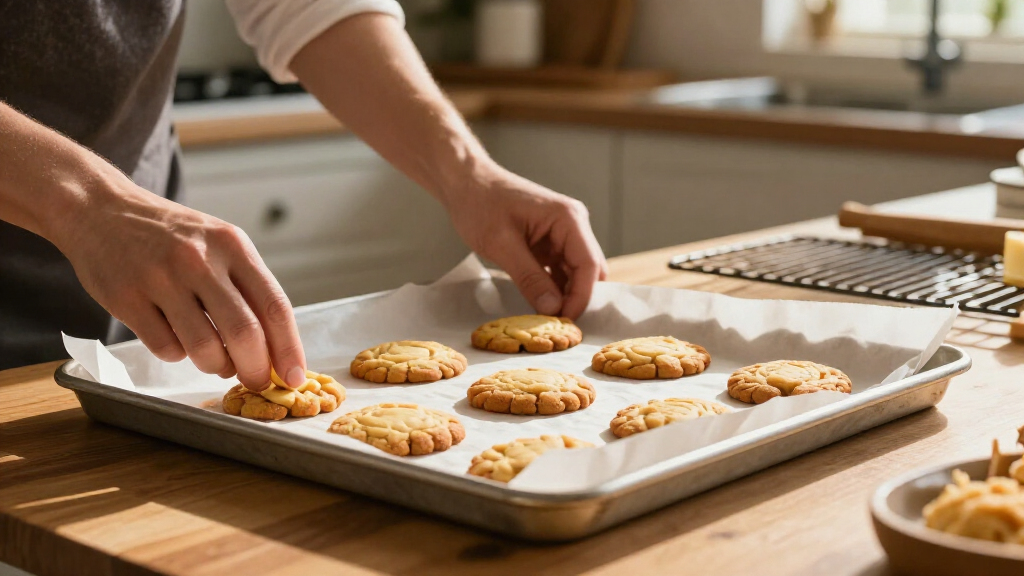
The history matters because the familiar name can obscure a major change in material. Modern parchment paper is plant-based paper, not the prepared animal skin historically called parchment. The distinction helps explain why the product’s history is spread across several fields: writing materials, paper chemistry, household food preparation and commercial packaging.
The 2019 report also places parchment paper’s kitchen role within a longer evolution of food handling. Hoffman’s 1859 comments and the 1889 butter-wrapping advice show that the material was valued for uses beyond lining baking trays. The examples suggest that its utility was tied to the properties of treated paper, but they do not quantify how well it performed or show when use for baking became widespread. For readers, the account offers a concise origin story while making clear that the modern product’s popularity and technical specifications require separate evidence.
Products Worth Considering

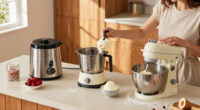
Instant Pot InstantChill Ice Cream Maker with Rolled Ice Cream, No Pre-Freezing, 2-Pint

Vitamix 5200 Professional-Grade Blender, 64 oz. Container, Black

Vitamix Propel Series 510 Professional-Grade Blender, 3 Programs, Black
As an affiliate, we earn on qualifying purchases.
The 19th-Century Paper Treatment
The article connects the word “parchment” to a much older writing material, while placing the plant-paper substitute in the 19th century. It says Poumarède and Figuier developed their process in 1847, and cites an 1874 chemistry manual for a description involving sulfuric acid, followed by washing. The account treats this chemical processing as central to the paper’s distinctive qualities, though it does not give a full technical history of later manufacturing methods.
Historical references in the report serve different purposes. The Apicius passage is presented cautiously because it comes through a modern translation; Hoffman’s journal remarks document contemporary expectations for household use; and the 1889 Kansas Farmer passage concerns butter storage and transport. Together, they show several stages in the material’s recorded use, not a complete timeline of the baking-paper industry.
“If unsized paper be dipped for a few seconds in a cold mixture of two volumes of concentrated sulfuric acid and one volume of water, and then washed with water and ammonia, the so-called parchment paper is obtained.”
— A Manual of the Chemistry of the Carbon Compounds, published in 1874
Gaps in the Baking Paper Timeline
The report does not establish when silicone-coated baking sheets entered common use, how quickly they spread, or which manufacturers drove that change. It identifies cellulose and silicone as components relevant to modern parchment paper, but the supplied account does not provide a detailed chronology of silicone’s adoption or specify how all current products are made.
The ancient cooking reference is also uncertain: the article says the Apicius passage appears in a 1936 translation and may reflect modernization. The historical sources cited describe particular uses and claims, not controlled tests of food preservation or baking performance. No new product announcement, manufacturing change or current market data is reported.
What Further Research Could Establish
Tedium’s November 2019 piece is a historical report, not an announcement with a scheduled follow-up. The next useful step for readers seeking a fuller product history would be to consult manufacturing records, patents and dated product catalogs to trace the move from treated paper to the silicone-coated baking sheets familiar today. Those records are not presented in the report.
For now, the documented account runs from the distinction between animal parchment and plant paper through the 1847 process and later food-related uses. The timeline beyond those milestones—and the details of modern production—remains open in the source material.
Key Questions
Is baking parchment made from animal skin?
No. The report distinguishes traditional parchment, usually prepared animal skin, from modern parchment paper, which is plant-based paper.
When does the report date the development of plant-based parchment paper?
It credits French scientists Jean-André Poumarède and Louis Figuier with developing a chemical treatment process in 1847.
What process did the 1874 chemistry manual describe?
The manual described treating unsized paper with a cold mixture of concentrated sulfuric acid and water, then washing it with water and ammonia. This is a historical description, not a safe home-making method.
Was parchment paper used only for baking?
No. The report cites 19th-century references to using it for covering preserve containers and wrapping butter for storage and shipping, as well as its later association with baking.
Does the report explain when silicone-coated baking paper became widespread?
No. It mentions silicone as relevant to modern parchment paper but does not give a timeline for its adoption or explain when silicone-coated sheets became common.
Source: tedium.co