
TL;DR

Get baking supplies delivered free — and shop member deals
- Fast, free delivery on millions of items
- Access to Prime Big Deal Days deals on October 6–7
- Prime Video, Amazon Music and more included
Cornmeal and polenta are versatile, gluten-free grains ideal for baking or porridge, while semolina’s high gluten makes it perfect for pasta. Each has distinct textures, flavors, and best uses, so pick the right one for your recipe.
Ever wondered why some recipes call for cornmeal, while others specify semolina or polenta? The truth is, these grains aren’t interchangeable—they each bring their own flavor, texture, and culinary magic.
Getting familiar with their differences helps you make smarter choices in the kitchen. Whether you’re baking cornbread, cooking creamy polenta, or making pasta from scratch, knowing which grain when can elevate your dishes from good to outstanding.
Choose cornmeal for baking, breakfast, or frying; its fine or coarse grind depends on the dish.
Polenta’s coarse grind makes it perfect for slow-cooked creamy dishes or firm slices for grilling.
Semolina’s high gluten content makes it the go-to for authentic pasta and bread, cooking quickly and providing structure.
Opt for whole-grain versions when possible for more fiber and nutrients.
Store grains properly in airtight containers away from heat and light for longer freshness.
What is Cornmeal — The Versatile Grain for Baking and Breakfast
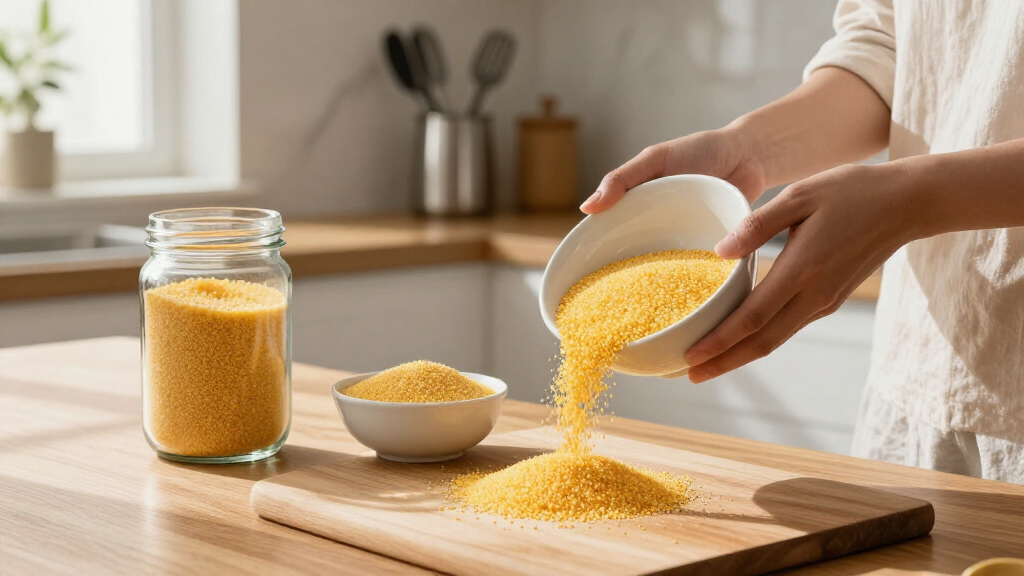
Cornmeal is simply ground dried corn, available in coarse, medium, or fine textures. Its natural gluten-free status makes it a flexible choice for those avoiding wheat, but it also influences how it interacts with other ingredients. For instance, fine cornmeal is excellent for baking tender muffins or pancakes because it creates a smooth batter that rises well, while coarse cornmeal lends a hearty texture suitable for rustic breads or crispy coatings. The flavor profile—earthy, subtly sweet, and nutty—adds depth, but it also means that the choice of grind affects not just texture but the final taste and appearance of your dish.
Understanding these nuances allows you to tailor your recipes. For example, a fine grind yields light, airy cornbread, whereas coarse cornmeal offers a more substantial bite and crunch in fried foods. The grind size impacts cooking times and moisture absorption, which can make or break your dish’s success.
In breakfast applications, medium cornmeal creates a creamy porridge that balances sweetness and texture, while coarser options produce a more textured, hearty meal. Recognizing these tradeoffs helps you decide whether you want a delicate baked good or a robust, crispy fried item.
As an affiliate, we earn on qualifying purchases.
Why Polenta Is Your Go-To for Creamy or Firm Dishes
Polenta is coarsely ground yellow or white cornmeal, traditionally cooked slowly into a silky or firm dish. Its coarse texture requires extended cooking—typically 30 to 45 minutes—to fully hydrate and develop a rich, creamy consistency. This longer cooking time allows the starches in the cornmeal to break down, releasing flavor and creating a smooth, velvety texture that can be customized from pourable to sliceable. The flavor—sweet, slightly nutty, and earthy—becomes more pronounced with slow cooking, making it a comforting staple in many cuisines.
The versatility of polenta lies in its ability to adapt to different textures. A soft, creamy polenta is perfect for serving as a side or base for hearty stews, while cooled and chilled, it firms up and becomes ideal for slicing, grilling, or frying. This duality offers culinary flexibility, but it also requires understanding the cooking process—under-cooking results in a gritty, unappealing texture, while overcooking can make it too runny or mushy.
Choosing the right type of polenta—instant or traditional—affects cooking time and texture. Quick-cooking versions reduce preparation but may sacrifice some depth of flavor and creaminess. Recognizing these tradeoffs ensures you select the right product for your desired outcome and understand the importance of patience in achieving the perfect dish.
As an affiliate, we earn on qualifying purchases.
Semolina: The Protein-Rich Grain for Pasta and Baked Goods
Semolina is made from durum wheat, which gives it a granular, slightly gritty texture that’s ideal for creating firm, elastic doughs. Its high gluten and protein content are crucial for developing the structure and chewiness characteristic of authentic pasta. This means that semolina’s strength supports shaping pasta shapes and maintaining their integrity during cooking, preventing them from falling apart or becoming mushy.
Beyond pasta, semolina’s nutty flavor enhances baked goods like semolina bread, cakes, and puddings, adding depth and richness. Its ability to absorb liquids and develop gluten makes it indispensable for recipes requiring a sturdy but tender crumb. Because of its nutritional profile—more protein and fiber than typical wheat flour—using semolina can also boost the nutritional value of your baked creations.
Cooking semolina is quick—typically 5 to 10 minutes—making it a convenient ingredient for quick meals or desserts. Its rapid preparation time combined with its structural qualities enables chefs and home cooks to experiment with a variety of dishes, from hearty pastas to comforting puddings. Recognizing the importance of gluten development in pasta, semolina’s unique properties directly influence the texture and authenticity of the final product.
As an affiliate, we earn on qualifying purchases.
How to Pick the Right Grain for Your Recipe
Choosing the right grain depends on what you want to make and your dietary needs. Here’s a quick comparison:
| Grain | Best Uses | Gluten Content | Preparation Time |
|---|---|---|---|
| Cornmeal | Baking, frying, breakfast porridge | Gluten-free | Quick to moderate |
| Polenta | Creamy dishes, grilled slices | Gluten-free | Longer (30-45 min) |
| Semolina | Pasta, bread, desserts | Contains gluten | Fast (5-10 min) |
Understanding these differences is crucial because each grain’s unique properties influence not just the texture and flavor but also how forgiving the cooking process is and what dietary restrictions it may meet. For example, opting for cornmeal or polenta provides gluten-free options, but you need to consider cooking times and desired dish consistency. Semolina, with its quick cooking and gluten content, is best suited for making structure-rich pasta and baked goods, but it’s unsuitable for gluten-free diets. Recognizing these tradeoffs helps you select the right grain for your culinary goals and dietary considerations.
As an affiliate, we earn on qualifying purchases.
Common Questions About Cornmeal, Polenta, and Semolina
- Are cornmeal and polenta interchangeable? Mostly yes, but coarser polenta lends itself to slow-cooked, creamy or firm dishes, while finer cornmeal is more versatile for baking and quick recipes. The choice impacts texture and flavor—coarse polenta offers a rustic, hearty bite, whereas fine cornmeal provides a tender crumb or smooth batter.
- Is semolina gluten-free? No, semolina is made from durum wheat and contains gluten, so it’s unsuitable for gluten-free diets. This makes it a non-negotiable ingredient in traditional pasta but a no-go if you need to avoid gluten entirely.
- Can I substitute cornmeal for semolina in pasta? Not really. Semolina’s high gluten content provides the necessary elasticity and structure for pasta dough, which cornmeal cannot replicate due to its lack of gluten. Substituting can lead to pasta that’s fragile or falls apart during cooking.
- Which grain is healthiest? Choose whole-grain versions for more fiber and nutrients—both cornmeal and semolina have whole-grain options. Whole grains support digestion and overall health, but be mindful of gluten if you have sensitivities.
- How should I store these grains? Keep in airtight containers in a cool, dry place; whole grains have a shorter shelf life due to oils that can go rancid. Proper storage preserves flavor and prevents pests or spoilage.
- Are there gluten-free pasta options with cornmeal or polenta? Yes, some brands use these grains, but always check labels for gluten content. These alternatives can be suitable for gluten-sensitive individuals if properly processed and labeled.
Conclusion
Picking the right grain transforms your cooking from hit-or-miss to consistently delicious. Whether you’re craving hearty polenta, crispy fried cornmeal, or tender pasta, understanding these grains helps you get it just right.
Next time you shop, consider what dish you want to create and choose accordingly. Your taste buds—and your dinner guests—will thank you.
Fall Picks
fall essentials
As an affiliate, we earn on qualifying purchases.