TL;DR

Get baking supplies delivered free with Prime
- Fast, free delivery on millions of items
- Prime Video, Amazon Music and more included
- Member-only deals all year
Gluten-free baking often leads to crumbly results, but with the right ingredients and techniques, you can create baked goods that stay moist and hold their shape. Focus on proper flour blends, moisture control, and mixing methods for best results.
If you’ve ever tried gluten-free baking, you know the heartbreak of a beautiful loaf turning into a pile of dust. It’s frustrating. But what if you could bake with confidence, knowing your treats will stay intact and delicious?
Today, I’ll walk you through the secrets of gluten-free baking that resists crumbling. No hype, just real techniques, practical tips, and ingredient choices that make a difference. Get ready to elevate your baking game and finally enjoy gluten-free goodies that hold their shape.
Use a balanced flour blend combining rice flour, potato starch, and tapioca flour for structure.
Incorporate binders like xanthan gum or psyllium husk to mimic gluten’s elasticity.
Adjust moisture with natural ingredients like mashed bananas or applesauce.
Mix gently and avoid overworking the batter to keep baked goods tender and intact.
Follow a step-by-step process—choice of ingredients, proper mixing, and right baking temperature—to prevent crumbling.
Why Gluten-Free Breads and Cakes Crumble—And How to Fix It
Gluten-free baked goods crumble because they lack the gluten’s natural elasticity. Gluten acts like the scaffolding of bread—holding everything together. Without it, your baked items tend to fall apart, especially if the flour blend isn’t balanced or moisture levels are off.
For example, a quick banana bread might turn into a dry, crumbly mess if you skip adding a binder or use too much rice flour. The fix? Incorporate ingredients that mimic gluten’s structure, like xanthan gum or psyllium husk, and balance your moisture levels carefully.
Understanding why this happens helps you make smarter ingredient choices. Crumbling isn’t just a texture issue; it’s a sign that your baked goods lack the structural support needed to hold together. By adding binders, you’re effectively creating a temporary framework that traps moisture and gives your baked goods resilience. The tradeoff is that too much binder can lead to a gummy or rubbery texture, so it’s essential to find the right balance through experimentation.
Products Worth Considering

Cuisinart Stainless Steel Bread Maker, 12 Programs, 2 lb Capacity

Le Creuset Enamemed Cast Iron Oval Dutch Oven, 5 qt., White/Crucible

Traeger Pro 22 Wood Pellet Grill and Smoker, 572 sq. in.
As an affiliate, we earn on qualifying purchases.
The Best Flour Blends to Keep Your Gluten-Free Bakes Together
Not all gluten-free flours are created equal. Some are prone to crumbling more than others. The key is a balanced blend that combines properties like lightness, moisture retention, elasticity, and binding ability. Aromas Healthy Bake recommends a mix of rice flour, potato starch, and tapioca flour—each bringing different properties to the table.
Here’s a simple, reliable blend:
| Ingredient | Purpose |
|---|---|
| Rice flour | Base, light texture |
| Potato starch | Moisture retention, binding |
| Tapioca flour | Elasticity, chewiness |
This combination creates a sturdy structure, reduces crumbling, and mimics the elasticity of gluten. The reason this works is that each component compensates for the weaknesses of the others. Rice flour provides a neutral base but lacks elasticity, which tapioca flour supplies. Potato starch helps retain moisture, preventing dryness that can cause crumbling. Choosing the right blend is crucial because a poorly balanced mix can lead to dry, crumbly, or dense results, undermining your efforts to create a resilient baked good.
How to Use Binders That Keep Your Baked Goods Intact
Binders are your secret weapon against crumbling. Xanthan gum and psyllium husk are the most common. They act like gluten’s scaffolding, holding everything together. The reason binders are so effective is because they create a gel-like network that traps moisture and provides elasticity, which is essential for the structure of gluten-free baked goods.
Here’s how to use them:
- For breads and muffins, add 1 teaspoon xanthan gum per cup of flour. This amount offers enough support without making the texture gummy.
- If you prefer natural binders, soak 1 tablespoon of psyllium husk in water until gel-like before mixing. This gel acts as a natural glue, improving cohesion and flexibility.
- Adjust based on the recipe—more binder for dense bread, less for tender cakes. The key is to understand that binders significantly affect the final texture. Too little, and your baked goods will crumble; too much, and they may turn rubbery or gummy. Finding the right amount involves testing and experience, but the payoff is a much sturdier, more resilient product.
Overuse can make baked goods gummy or dense, so aim for balance. Experiment with small batches to discover what works best for your recipes and preferences.
Moisture Matters: How to Keep Your Gluten-Free Bakes From Drying Out
Crumbly gluten-free treats often suffer from lack of moisture. Think of moisture as the glue that keeps everything soft and cohesive. Too little, and they turn to dust; too much, and they’re dense or soggy. Proper moisture balance is critical because it directly impacts the texture and structural integrity of your baked goods.
To get it right, consider these tips:
- Add 10-15% more liquid than traditional recipes. This compensates for the absorbent nature of gluten-free flours, which tend to soak up more moisture.
- Use ingredients like applesauce, yogurt, or mashed bananas for natural moisture and binding. These not only add moisture but also contribute flavor and nutritional value.
- Don’t overbake—check early to prevent drying out. Overbaking expels moisture, leading to dry, crumbly results even if your batter was initially moist.
For example, a gluten-free banana muffin with 20% extra banana and a touch of oil stays moist for days. Moisture control is the secret to a tender crumb that holds up during storage and handling. The tradeoff is that too much moisture can cause sogginess or density, so it’s important to balance ingredients and baking time carefully.
Mixing Techniques That Strengthen Your Gluten-Free Baked Goods
How you mix matters almost as much as what you mix. Overmixing can create dense, tough textures, but under-mixing leaves you with uneven crumb or crumbles. Gently mixing develops the batter’s structure without overworking the delicate gluten-free flours, which can lead to toughness or crumbling.
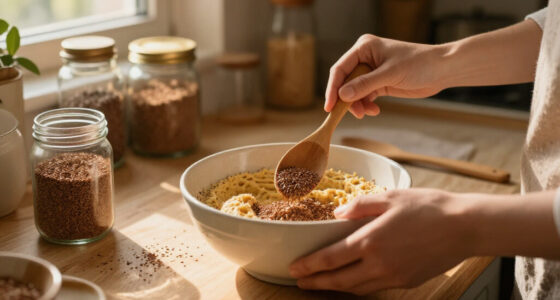
Try this approach: gently fold your batter until ingredients are just combined. Use a spatula for the last few strokes. This keeps air in the mixture, making your baked goods lighter and less crumbly. Proper mixing helps distribute binders and moisture evenly, which is critical for stability and texture.
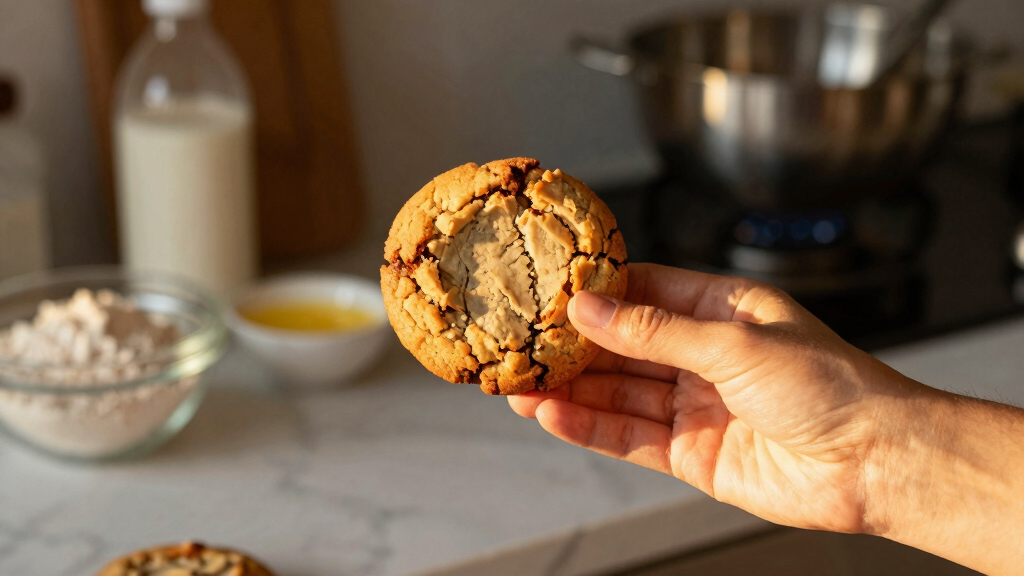
For example, when baking gluten-free cookies, a light touch prevents them from turning into brittle disks. Practicing gentle folding and avoiding aggressive stirring is key. The tradeoff with improper mixing is that overmixing can develop excessive gluten-like strands (if you’re using gluten substitutes), leading to toughness, or cause uneven distribution of ingredients, resulting in crumbly or dense outcomes. Mastering this technique ensures a tender, cohesive crumb every time.
A Step-by-Step Guide to Baking Sturdy, Crumble-Resistant Goods
Ready to bake? Here’s a simple step-by-step plan to keep your gluten-free treats from crumbling:
- Choose a balanced flour blend (see previous section).
- Add an appropriate binder—xanthan gum or psyllium husk—to provide the necessary elasticity and structure.
- Adjust your liquid ingredients to keep the batter moist but not sticky. This ensures the batter isn’t too dry or too wet, both of which can cause crumbling or density.
- Gently fold ingredients, avoiding overmixing, to preserve air and prevent toughness.
- Bake at the right temperature—usually 350°F (175°C)—and check early to prevent overbaking, which dries out the product.
- Let cool completely before slicing or removing from the pan. Cooling allows the structure to set, reducing the risk of crumbling when handling.
This method produces baked goods that are moist, tender, and hold their shape, making them ideal for sandwiches, slices, or snacks.
Compare Your Options: Gluten-Free Flours and Binders Side-by-Side
| Component | Purpose | Best For |
|---|---|---|
| Rice Flour | Base, light texture | Bread, muffins |
| Potato Starch | Moisture retention, binding | Cakes, cookies |
| Tapioca Flour | Elasticity, chewiness | Pizza crust, bread |
| Xanthan Gum | Gluten substitute, binder | Bread, cakes |
| Psyllium Husk | Natural binder, adds fiber | Yeast bread, muffins |
Understanding the roles of these ingredients helps you tailor your recipes for specific textures and sturdiness. For example, xanthan gum provides excellent elasticity but can be overused, leading to a gummy texture. Psyllium husk enhances natural fiber and elasticity but requires soaking before use. Combining these ingredients thoughtfully allows you to customize your baked goods’ structure and moisture retention, ultimately reducing crumbling and improving consistency.
Frequently Asked Questions
Can I use just one gluten-free flour in my recipes?
Using a single gluten-free flour often results in crumbly or dense baked goods. A blend of flours mimics gluten’s properties better. Aromas Healthy Bake recommends mixing rice flour, potato starch, and tapioca flour for balanced structure.How much xanthan gum should I add to my gluten-free bread?
Typically, add about 1 teaspoon of xanthan gum per cup of gluten-free flour. Adjust based on the recipe and desired texture. Too much can make the bread gummy, so start small and experiment.What natural binders can I use instead of xanthan gum?
Psyllium husk is a popular natural alternative. Mix 1 tablespoon of psyllium husk powder with 3 tablespoons of water and let it form a gel. This adds elasticity and keeps baked goods intact.Why do my gluten-free cookies turn out dry and crumbly?
Cookies dry out if they lack moisture or overbake. Add ingredients like nut butters or mashed bananas for moisture, and keep an eye on baking time. Proper mixing also helps keep the texture tender.Conclusion
Crumbly gluten-free baked goods are a thing of the past once you understand the right ingredients and techniques. Focus on balancing flours, adding the right binders, and managing moisture for baked goods that stay moist and hold their shape.
Remember, baking gluten-free isn’t about sacrifice—it’s about precision and patience. With these tips, you’ll turn your gluten-free kitchen into a place of sturdy, delicious treats that won’t crumble to dust.