
TL;DR

Get baking supplies delivered free with Prime
- Fast, free delivery on millions of items
- Prime Video, Amazon Music and more included
- Member-only deals all year
A roux is a simple mixture of fat and flour that thickens sauces and adds depth to baked dishes. Mastering its technique makes your cooking richer, smoother, and more flavorful. Learn how to make, customize, and store it for everyday use.
Imagine your favorite creamy sauce, velvety gumbo, or even a perfectly baked casserole. Behind each one often lies a humble hero: the roux. This simple mixture of fat and flour quietly powers some of your most beloved dishes, bringing richness and body.
Yet, many home cooks shy away from making their own roux, thinking it’s complicated or only for professional kitchens. In reality, mastering this classic technique unlocks a world of flavor possibilities, with just a few minutes of stirring and attention. Today, I’ll show you how to make a perfect roux every time—plus, how to customize it, store it, and use it to elevate your cooking.
A roux’s color—from white to dark—guides its flavor and thickening strength, so choose based on your dish’s needs.
Consistent stirring and moderate heat are key to preventing burning and developing rich flavors.
You can make roux ahead of time, store it properly, and even customize it with aromatics and spices.
Mastering roux transforms simple ingredients into dishes with deep, satisfying textures and flavors.
Pay attention to the aroma and color; these are your best cues for perfect roux every time.
What exactly is a roux—and why does it matter?
A roux is a mixture of fat—usually butter or oil—and flour cooked together until it reaches a specific color and aroma. It’s the foundation for many sauces, soups, and stews, acting as a thickener and flavor enhancer.
Think of a roux as the glue that transforms a thin liquid into a luscious, velvety sauce. Without it, many classic dishes would fall flat or feel watery. Its magic lies in both its ability to thicken and the complex flavor it imparts—ranging from mild to deeply nutty, depending on how long you cook it.
Understanding the different types of roux and their cooking times is crucial because each offers a different balance of flavor and thickening power. For instance, a white roux provides a delicate, neutral base ideal for subtle sauces, while a dark roux develops a rich, toasted flavor perfect for hearty gumbos. The choice impacts not just taste but also the texture and appearance of your dish, so selecting the right type for your recipe is a key step in achieving culinary success.
Products Worth Considering

Le Creuset Enameled Cast Iron Round Dutch Oven, 5.5 Qt, Flame

Vitamix 5200 Professional-Grade Blender, 64 oz. Container, Black

Le Creuset Signature Enameled Cast Iron Round Dutch Oven, 5.5 qt, Deep Teal
As an affiliate, we earn on qualifying purchases.
The four types of roux—what’s the difference?
Knowing the four main types of roux helps you choose the right one for your dish. Here’s a quick comparison:
| Type of Roux | Color & Flavor | Best Uses |
|---|---|---|
| White | Very pale, barely cooked; mild flour aroma | Béchamel, delicate sauces, creamy soups |
| Blond | Light golden, slightly nutty aroma | Velouté sauces, lighter gravies |
| Brown | Deep amber, toasted aroma | Darker sauces, stews, gumbos |
| Dark | Chocolate-brown, rich, nutty scent | Cajun dishes, flavor-rich sauces, hearty baked casseroles |
Choosing the right roux isn’t just about matching color; it’s about understanding how each stage of cooking develops flavor and affects thickening. For example, a white roux offers a subtle base that won’t overpower delicate flavors, but it provides minimal thickening compared to darker roux, which, while more flavorful, thickens less efficiently. Conversely, a dark roux’s intense nutty flavor can add complexity but may require adjustments in quantity to achieve the desired consistency. Recognizing these tradeoffs allows you to tailor your roux to enhance your dish’s flavor profile without compromising texture or appearance.
How to make a perfect roux in 3 simple steps
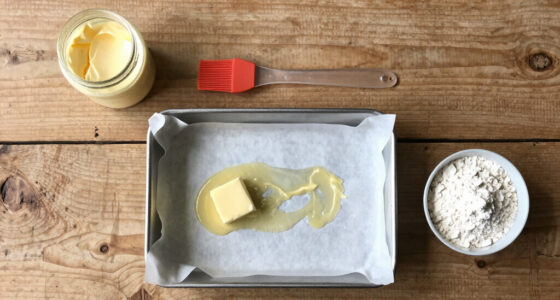
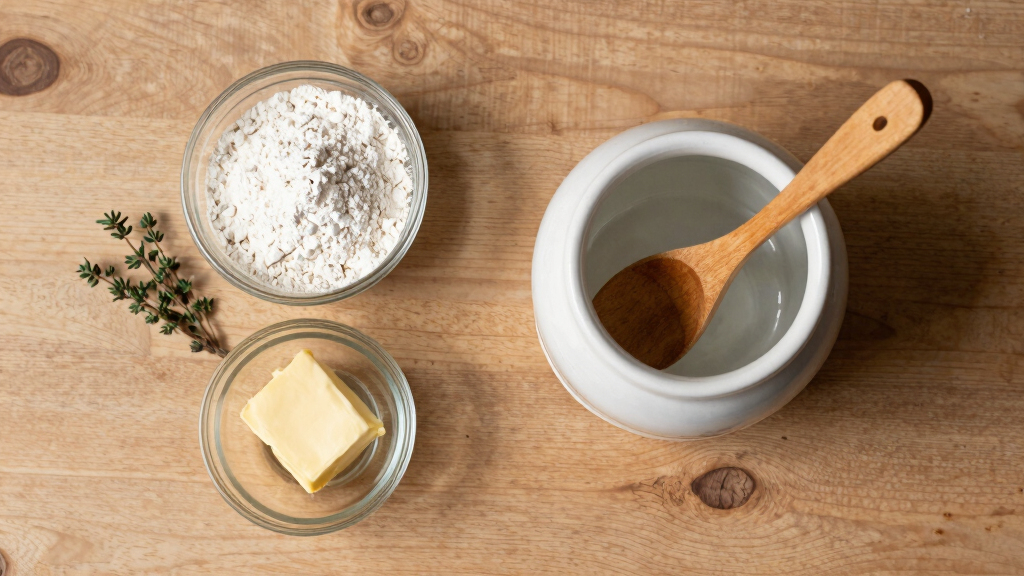
- Select your fat: Butter is classic for French sauces, while oil works well for a neutral, vegan-friendly option. Use about equal parts fat and flour.
- Cook gently and stir constantly: Heat your pan over medium, add fat, then flour. Stir continuously to prevent burning, especially as it darkens. For a blond roux, cook for 3-5 minutes; for a dark roux, 20-30 minutes, until it turns deep brown.
- Watch the color and smell: The roux is ready when it has a nutty aroma and reaches your desired shade. Remember, darker roux has more flavor but less thickening power—adjust based on your dish.
For example, when I made a gumbo last week, I slowly cooked my dark roux for about 25 minutes, stirring constantly until it looked like melted chocolate and smelled like toasted nuts. That depth of flavor made all the difference.
Tips to prevent your roux from burning or turning bitter
Burned roux is a common mistake. It turns dark quickly and develops a bitter, acrid smell. To prevent this:
- Use a heavy-bottomed pan for even heat distribution.
- Cook on medium or slightly lower heat—patience is key.
- Stir constantly, especially as it begins to darken.
- Remove from heat immediately once the desired color is reached.
Understanding why this happens is essential. Burnt roux not only ruins the dish’s flavor but also introduces bitter, unpleasant notes that are difficult to fix. The tradeoff here is between cooking long enough to develop deep flavor and avoiding overcooking to the point of burning. Patience and attention to heat control are your best tools to master this balance, ensuring your roux adds complexity without bitterness.
Can you make a roux ahead? Yes—and here’s how to store it
Making a roux ahead saves time during busy weeknights. Once cooled, transfer it to an airtight container and refrigerate for up to a week. For longer storage, freeze portions in ice cube trays—perfect for quick sauces.
Proper storage preserves the flavor and texture of your roux, especially if it’s dark and rich. When stored improperly, it can develop off-flavors or absorb odors from the fridge. Freezing in small portions allows you to thaw only what you need, maintaining freshness and flavor integrity. Reheating gently prevents separation or overcooking, which could alter its thickening ability. This approach offers convenience without sacrificing quality, making roux a versatile ingredient to keep on hand for a variety of dishes.
For example, I keep small frozen blocks of blond roux in my freezer. They melt quickly into sauces, giving me a head start on dinner prep and ensuring I always have a flavor base ready to go.
How to flavor and customize your roux for richer dishes
A simple roux can be transformed into a flavor powerhouse with a few tweaks. Try adding aromatics like garlic, onion powder, or spices during the cooking process. Toasted herbs or smoked paprika can also add depth.
For example, stirring in a pinch of smoked paprika as your roux darkens adds a smoky undertone that pairs beautifully with roasted vegetables or hearty stews. These additions are more than just flavor enhancements—they influence the overall aroma and complexity of your dish. The longer you cook the roux, the more it develops a nutty, complex flavor profile, which can serve as a base for layered seasoning or accentuate specific ingredients. This customization allows you to tailor each roux to match the character of your dish, elevating simple ingredients into memorable meals.
Remember, experimenting with different aromatics and spices can help you develop a signature roux that complements your personal style of cooking.
The practical benefits of mastering roux for home cooks
Mastering the roux is like having a secret weapon in your kitchen arsenal. It thickens sauces smoothly, enhances flavors, and adds body to baked dishes. Plus, it’s surprisingly forgiving once you get the hang of it.
For example, a simple homemade cheese sauce with roux becomes irresistibly creamy, and a well-made dark roux can turn a basic chicken stew into a rich, satisfying meal. Developing this skill allows you to control the texture and intensity of your sauces and gravies, reducing reliance on processed thickeners or pre-made mixes that often lack depth. It also opens doors to more complex, layered flavors, giving your dishes a professional touch that impresses family and guests alike.
Ultimately, mastering roux means transforming humble ingredients into dishes with deep, satisfying textures and flavors, elevating your everyday cooking to a new level of culinary confidence.
Common mistakes to avoid & pro tips for perfect roux every time
One mistake is rushing the process or using too high heat, which scorches the flour. Another is not stirring enough, leading to uneven cooking. To get it right:
- Use moderate heat and patience.
- Stir constantly for even color and flavor.
- Watch for the aroma—nutty and toasted signals readiness.
- Keep your pan clean—residual burnt bits can ruin your roux.
Understanding why these mistakes happen helps you develop a more intuitive approach. Rushing or using high heat increases the risk of burning, which not only ruins the flavor but can make your dish bitter. Inconsistent stirring causes uneven cooking, resulting in streaks of burnt or undercooked flour. Recognizing the signs—like aroma and color—enables you to step back at the right moment, ensuring a perfect balance of flavor and texture. The tradeoff is between patience and speed; taking the time to develop a deep, toasted flavor without burning is key to professional-quality roux every time.
Frequently Asked Questions
What fat should I use for making a roux?
Butter is traditional for French sauces, offering rich flavor, but oils like vegetable, olive, or coconut work well for vegan options or lighter dishes. The choice of fat influences both flavor and cooking temperature.
How do I prevent my roux from burning?
Use a heavy-bottomed pan, cook on medium or lower heat, and stir constantly. Pay close attention as it darkens, removing it from heat immediately once it reaches your desired color.
Can I store roux for later use?
Yes. Cool it, then store in an airtight container in the fridge for up to a week. For longer storage, freeze in small portions—ice cube trays work perfectly. Reheat gently when needed.
What’s the difference between white, blond, and brown roux?
White roux is barely cooked and mild, ideal for delicate sauces. Blond roux is slightly toasted, good for velouté. Brown and dark roux develop deeper flavors for hearty dishes like gumbo or casseroles.
How do I know when my roux is cooked enough?
Watch for the color—light golden, toasted nutty aroma, and the consistency. Use your nose and eyes; the aroma is your best indicator of readiness. Remember, darker roux have less thickening power but more flavor.
Conclusion
The secret to elevating your sauces and baked dishes often comes down to mastering a simple step: making a perfect roux. It’s not just about thickening—it’s about building flavor, texture, and depth that transform ordinary into extraordinary.
Next time you cook, take a moment to focus on that gentle stir, that slow cook. Your taste buds will thank you for it—and your dishes will never be the same.