
TL;DR

Get baking supplies delivered free with Prime
- Fast, free delivery on millions of items
- Prime Video, Amazon Music and more included
- Member-only deals all year
Sneaking vegetables into baked goods is about blending flavors, adjusting textures, and engaging kids creatively. Using purees, powders, and fun presentation turns healthy treats into favorites, increasing veggie intake effortlessly.
Ever tried to get your kids to eat more vegetables but hit a wall of protests? What if your baked goods could do the heavy lifting for you? Sneaking vegetables into treats isn’t just a clever trick; it’s a game-changer for busy parents. You’ll learn how to hide veggies seamlessly, keep flavors appealing, and turn baking into a fun, health-boosting activity.
This guide shares real-world tips, practical recipes, and creative ideas to help you serve up baked goods that your kids will ask for — and actually eat — even if they’re picky or resistant. Ready to turn your kitchen into a veggie-friendly playground?
Use grated, pureed, or powdered vegetables to seamlessly blend nutrients into baked goods.
Flavor masking with cheese, herbs, and spices makes veggie-based treats irresistible.
Get kids involved in baking to increase their willingness to try and enjoy vegetables.
Start with familiar recipes like muffins or bread to build confidence and acceptance.
Always prioritize food safety: wash vegetables thoroughly and store baked goods properly.
How to Sneak Vegetables Into Bakes Kids Will Actually Eat
Sneaky veggie baking works when you blend mild vegetables into familiar treats, protect the texture, and make the whole process feel playful. The goal is not a perfect disguise forever. It is repeated, positive exposure in muffins, breads, pancakes, and savory bites kids already trust.
Blend the vegetable into the recipe your child already says yes to.
Zucchini, carrots, spinach, sweet potato, and pumpkin are the easiest first wins.
Grate, puree, or powder vegetables to control moisture, color, and texture.
Repeated exposure can shape children’s taste preferences over time.
Small shreds and smooth purees disappear best in soft bakes.
Most moist veggie muffins keep well at room temperature in an airtight container.
Refrigeration extends freshness for tender, vegetable-rich baked goods.
Why Baking Changes the Vegetable Conversation
Kids often reject plain vegetables because of bitterness, unfamiliar texture, or a strong visual cue. Baking softens those signals. Sweetness, spice, cheese, and familiar formats create a positive association while vegetables quietly add fiber, vitamins, minerals, moisture, and color.
Finely Grated
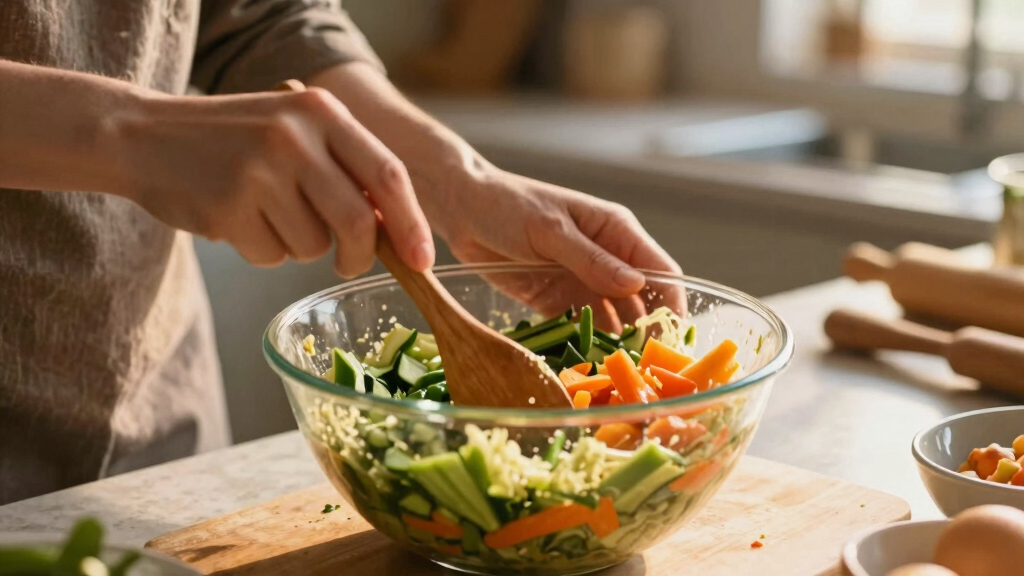
Use zucchini, carrot, or sweet potato in muffins, pancakes, and quick breads. Fine shreds melt into the crumb and add moisture without announcing themselves.
Smooth Pureed
Blend spinach, pumpkin, cauliflower, or squash into a silky paste before folding into batter. Purees keep bakes tender and can replace part of the liquid or fat.
Powdered
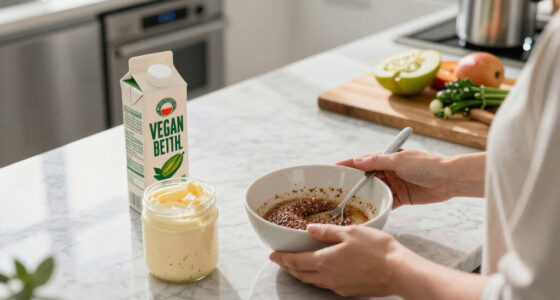
Stir beet, spinach, or sweet potato powder into dry ingredients. Powders add color and nutrients with less moisture adjustment, but always check labels.
The Four-Step Batter Strategy
Start small, make the vegetable invisible where needed, and let familiar flavors lead. Once a recipe earns trust, gradually increase the vegetable content or invite your child to help choose the next bake.
Choose the Vehicle
Begin with a favorite format: banana muffins, pancakes, cheesy bread, or carrot-style quick bread.
Match the Vegetable
Use sweet or neutral vegetables first. Zucchini and carrot are forgiving because they blend into soft crumbs.
Mask with Flavor
Add cinnamon, vanilla, cheese, herbs, cocoa, or hummus pairings to cover any lingering vegetable note.
Repeat Positively
Serve with enthusiasm, keep pressure low, and let familiarity do the slow work of acceptance.
Squeeze watery grated zucchini before baking, or reduce added liquid slightly.
Pair green vegetables with cheese, herbs, banana, cinnamon, or vanilla.
Let kids wash, stir, sprinkle, or pick the muffin liners to build ownership.
Popular Veggie Bakes Compared
The easiest recipes balance mild flavor, soft texture, and a familiar shape. Carrots and zucchini usually win first because they taste sweet or neutral and keep baked goods moist.
| Recipe | Vegetables Used | Flavor Profile | Texture Risk | Kid Acceptance | Best Booster |
|---|---|---|---|---|---|
| Zucchini Muffins | Finely grated zucchini | Mild, lightly sweet | ✓ Low | High | Cinnamon, vanilla, mini chocolate chips |
| Carrot Bread | Shredded carrots | Sweet, earthy | ✓ Low | Very high | Cinnamon, nutmeg, orange zest |
| Spinach Pancakes | Pureed spinach | Subtle, grassy | ~ Medium | Moderate | Banana, vanilla, maple, cream cheese |
| Sweet Potato Bites | Mashed sweet potato | Sweet, creamy | ✓ Low | High | Cheddar, herbs, cinnamon |
| Beet Cocoa Cake | Pureed beet or beet powder | Earthy, cocoa-rich | ~ Medium | Moderate | Cocoa, vanilla, yogurt glaze |
Invisible Texture Sweet Spot
Finely grated or fully pureed vegetables land closest to the kid-friendly zone because they protect the expected crumb.
Flavor Masking Need
Green vegetables need stronger support than carrots or sweet potatoes. Cheese, herbs, banana, and warm spices help most.
From Suspicion to Second Helpings
Trace the path from vegetable resistance to a snack kids request again. The practical magic is not deception alone; it is comfort, repetition, participation, and a bake that still tastes like a treat.
Safety Checklist
- Wash vegetables thoroughly before grating, peeling, pureeing, or powdering.
- Store moist baked goods airtight for up to 2 days at room temperature.
- Refrigerate veggie-rich bakes for 3-4 days when you need longer storage.
- Check powders for added ingredients, preservatives, allergens, or sweeteners.
- Account for dairy, nuts, eggs, and wheat when using flavor-masking extras.
Fast Answers
Zucchini, carrots, spinach, sweet potato, and pumpkin are the easiest vegetables to hide in beginner bakes.
Purees can replace part of the fat or liquid, but adjust slowly to protect texture and rise.
Hidden vegetables help, but they should sit alongside open vegetable exposure so kids keep learning real flavors.
Why Kids Say No to Vegetables — And How Baking Changes That
Kids often resist vegetables because they’re used to their plain, sometimes bitter flavors. But baked goods offer a secret weapon: flavor masking and texture control. When you incorporate veggies into muffins, bread, or pancakes, you’re not just sneaking in nutrients; you’re transforming the taste experience.
For example, a kid might turn their nose up at steamed spinach on a plate. But blend that same spinach into a banana muffin batter, and suddenly, it’s a sweet, soft snack that packs in fiber and vitamins. It’s like hiding vegetables in a disguise — making healthy irresistible.
Products Worth Considering

Ninja PossibleCooker Plus 6-in-1 8.5 Qt Black (MC1010)

De’Longhi Classic Matte Black Espresso Machine with Milk Frother

Weber Searwood 600 Wood Pellet Smoker Grill, Black
As an affiliate, we earn on qualifying purchases.
3 Foolproof Ways to Incorporate Vegetables Into Bakes
- Use finely grated vegetables: Think carrots, zucchini, or sweet potato grated into muffin or pancake batter. The small size blends into the mix without changing the texture much.
- Puree vegetables into smooth pastes: Spinach, pumpkin, or cauliflower pureed and folded into bread or cake batter. It keeps the baked good moist and adds a subtle flavor boost.
- Mix vegetable powders or flours: Beet powder, spinach powder, or sweet potato flour can be stirred into dry ingredients, adding color and nutrients without altering taste.
For example, a zucchini muffin with over 50% zucchini hidden inside can be a breakfast hit — moist, sweet, and packed with fiber. These methods make sneaking veggies easy and effective.
Flavor Boosters That Make Veggie Bakes Irresistible
Vegetables can sometimes mute flavors. Counteract that with cheese, herbs, spices, or sweeteners. Think crunchy cheese in zucchini bread or cinnamon in carrot muffins.
Try adding a handful of shredded cheese to vegetable bread, or a splash of vanilla or cinnamon to veggie pancakes. These flavor boosts mask any residual vegetable taste and excite the palate.
For instance, a cheesy spinach muffin becomes a savory treat kids love, especially when paired with a dab of hummus or cream cheese.
Making Vegetables Part of the Fun — Get Kids Involved
Kids love to be part of the process. Let them pick vegetables, wash, grate, or stir. When they help make the treats, they’re more likely to taste and enjoy their creations.
Imagine a Saturday morning where your child helps grate carrots or fold spinach into batter. The pride and curiosity turn into a craving for the finished product.
Plus, involving kids reduces fuss and builds a positive association with healthy eating.
Comparing Popular Veggie-Infused Bakes: What Works Best?
| Recipe | Veggies Used | Flavor Profile | Kid Acceptance |
|---|---|---|---|
| Zucchini Muffins | Zucchini, grated | Mild, slightly sweet | High — kids love the moist texture |
| Carrot Bread | Carrots, shredded | Sweet, earthy | Very high — popular with kids |
| Spinach Pancakes | Pureed spinach | Subtle, slightly grassy | Moderate — depends on flavor masking |
Choosing the right veggie depends on taste, texture, and how much your kids are willing to try. Carrots and zucchini often win because they blend seamlessly and taste sweet or neutral.
Safety Tips for Sneaking Vegetables Into Bakes
Always wash vegetables thoroughly before grating or pureeing. Store your baked goods at room temperature for up to 2 days or in the fridge for 3-4 days. Reheat gently to preserve texture and flavor.
If using powders, check for added ingredients or preservatives. Be mindful of allergies, especially with ingredients like nuts or dairy used in flavor masking.
For example, a zucchini muffin stored in an airtight container can stay fresh for 2 days at room temp or longer in the fridge. Proper handling keeps everything safe and tasty.
Your Action Plan: Sneaking Veggies Starts Today
- Pick your favorite vegetables based on your child’s preferences.
- Choose a baking recipe — muffins, bread, pancakes — that matches your skill level.
- Prepare vegetables: grate, puree, or powder.
- Incorporate into your recipe, adjusting for moisture or flavor as needed.
- Introduce the baked goods with enthusiasm, emphasizing how tasty and fun they are.
Start small: a zucchini muffin or carrot pancake, then build from there. Before you know it, vegetables will be a natural part of your kid’s favorite treats.
Frequently Asked Questions
What are the easiest vegetables to hide in baked goods?
Zucchini, carrots, and spinach are the top contenders. They have mild flavors and blend well into muffins, bread, and pancakes, making them perfect for sneaking in extra nutrients.
How can I make my kid more excited about eating vegetables?
Involve them in baking, let them choose vegetables, and make it a fun activity. Present baked goods creatively and add flavor boosters like cheese or cinnamon to keep things appealing.
Are there any downsides to hiding vegetables?
Hiding vegetables is a helpful strategy, but it shouldn’t replace teaching kids to enjoy vegetables openly. Balance sneaky tactics with encouraging them to recognize and try vegetables in other ways.
Can pureed vegetables replace fats or liquids in recipes?
Yes, in some cases, purees can substitute part of the fats or liquids, but you’ll need to adjust other ingredients to maintain the right texture and moisture in your baked goods.
What are some beginner-friendly recipes to start sneaking vegetables?
Try vegetable muffins, zucchini bread, carrot pancakes, or spinach quesadillas. They’re simple, quick, and kid-approved, making the process easier and more enjoyable.
Conclusion
Turning baked goods into veggie-delivered powerhouses is a practical, tasty hack for busy families. The secret lies in blending, masking, and involving your kids in the process. Soon, you’ll be serving up treats that are both delicious and nourishing — a win for everyone.
Remember, the goal isn’t perfection but progress. Each small step makes a big difference in cultivating healthier eating habits — one bite at a time.