
TL;DR

Get baking supplies delivered free with Prime
- Fast, free delivery on millions of items
- Prime Video, Amazon Music and more included
- Member-only deals all year
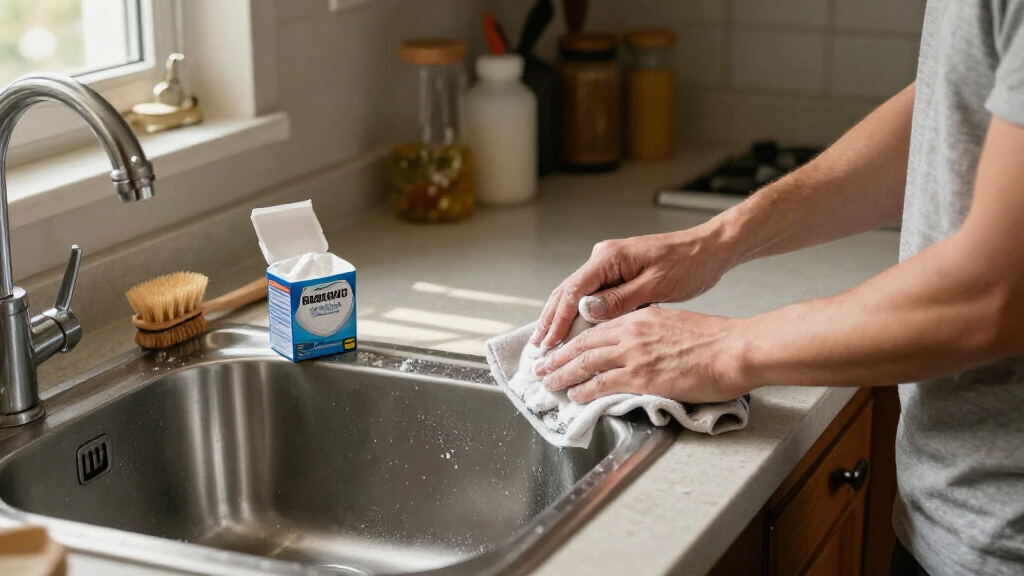
Good Housekeeping’s home care report outlines 11 household cleaning uses for baking soda, including deodorizing mattresses and carpets and scrubbing light grime. The advice also sets limits: baking soda may not handle heavy buildup, and delicate finishes should be spot-tested or cleaned according to manufacturer instructions.
Good Housekeeping’s home care experts have outlined 11 ways to use baking soda around the home, from freshening mattresses and carpets to removing light grime from appliances and sinks. The report presents it as a mild abrasive and deodorizer for certain jobs, while cautioning that heavier messes and delicate finishes may call for other methods.
For odors in mattresses and carpets, the report recommends sprinkling baking soda over the surface, leaving it for 15 to 30 minutes, then vacuuming thoroughly. For carpets, it advises starting with an empty vacuum dust cup so the machine can collect the powder effectively. These are deodorizing suggestions; the guide does not claim that baking soda removes every stain or cleans deep into upholstery.
For light kettle deposits, the guide says to add one to two teaspoons of baking soda to a kettle filled at least halfway with water, boil it, switch it off, and let the mixture sit for about 20 minutes. It then calls for a thorough rinse and wiping the prongs with a cloth. For showerhead nozzles, it suggests scrubbing with a paste of baking soda and water before rinsing with hot water; a vinegar soak may help with deeper mineral buildup.
The other recommendations cover cloudy glassware, air fryers, oven racks, grout, garbage disposals, and small rust spots on stainless steel, as well as a general surface scrub. Methods vary: use a soft cloth and a baking soda-water paste on air fryer residue, rinse oven racks after scrubbing, and combine baking soda with hydrogen peroxide for grout. The report says oven-cleaning spray is better for heavier messes on racks, and advises spot-testing stainless steel and avoiding harsh scrubbing.
Where Baking Soda Can Help
The guide matters to readers because it distinguishes small, routine cleaning jobs from tasks that may require a stronger or more specialized approach. Baking soda is presented as a practical option for odors, minor residue, and light scuffs—not as a universal replacement for cleaning products. That distinction can help readers choose a method suited to the surface and the level of buildup.
The cautions also affect how the advice should be used. Abrasion that is gentle on one surface may still damage a delicate finish, so the report recommends spot-testing and checking manufacturer guidance when unsure. Its suggestions are presented as household tips, not as test results or a guarantee of performance on every material.
Products Worth Considering

Breville Smart Grinder Pro Conical Burr Coffee Grinder, Brushed Stainless Steel

Ninja Luxe Café Premier 3-in-1 Espresso Machine, Stainless Steel, ES601

KitchenAid 8-Cup Grain and Rice Cooker with Integrated Scale, Porcelain White
As an affiliate, we earn on qualifying purchases.
The Guide’s Cleaning Methods
The supplied report is a Good Housekeeping home-care guide focused on specific uses rather than a single all-purpose recipe. It gives separate instructions for dry applications, such as sprinkling powder on a mattress, and wet applications, such as mixing it into a paste for scrubbing. The article also pairs baking soda with other steps in some cases, including vinegar for a disposal or mineral deposits and hydrogen peroxide for grout.
Its recommendations include both cleaning and deodorizing. For a garbage disposal, the suggested sequence begins with cleaning the baffle and drain area with dish soap, then adding baking soda for lingering odors. The optional vinegar step is described as creating foam; the report then says to run cold water and turn on the disposal to flush it. It does not provide a broader comparison of baking soda with commercial cleaners.
Limits and Surface Compatibility
The supplied material does not state when the report was published, identify named home care experts, or provide test data comparing these methods with commercial products. It also does not establish that each technique is suitable for every brand or surface. Results may vary with the material and the amount or type of buildup.
Some recommendations need particular care. The guide advises spot-testing stainless steel and checking manufacturer instructions for uncertain finishes, but it does not list specific products or surfaces that should never contact baking soda. For heavier oven-rack grime, it explicitly recommends oven-cleaning spray instead. Readers should follow appliance instructions and product labels rather than assume the same method works everywhere.
Check the Surface Before Cleaning
The report does not announce a follow-up study or a scheduled update. For anyone applying the tips, the next step is to match the method to the task: use the listed short waiting times for deodorizing, rinse appliances and utensils thoroughly where directed, and test an inconspicuous area before scrubbing a finish. For substantial buildup, use the more suitable method named in the guide or follow the manufacturer’s care instructions.
Details about the guide’s testing process and the credentials of the experts are not included in the supplied source material. No further development is confirmed.
Key Questions
How long should baking soda sit on a mattress or carpet?
The report recommends leaving it on for 15 to 30 minutes, then vacuuming it up. For carpets, it says to make sure the vacuum’s dust cup is empty before use.
Can baking soda remove heavy buildup from oven racks?
The guide recommends baking soda for light grime on oven racks. It says oven-cleaning spray is better for a heavier mess.
Is baking soda safe for every surface?
No such blanket claim is made. Baking soda is described as mildly abrasive; the report advises avoiding delicate finishes, spot-testing stainless steel, and checking manufacturer instructions when unsure.
How does the guide suggest cleaning light deposits in a kettle?
Add one to two teaspoons of baking soda to a kettle filled at least halfway with water, boil it, switch it off, and let it sit for about 20 minutes. Rinse the kettle thoroughly afterward.
Source: goodhousekeeping.com