
TL;DR

Get baking supplies delivered free with Prime
- Fast, free delivery on millions of items
- Prime Video, Amazon Music and more included
- Member-only deals all year
Bread lames and scoring tools are essential for shaping beautiful, bakery-quality bread. This guide compares their features, pros, and cons to help you select the best tool for your baking style.
Imagine pulling a freshly baked loaf from the oven. The crust is golden, crackling, inviting. But that perfect pattern of slashes? That’s not just decoration—it’s a crucial step in bread baking that controls how your loaf expands and develops its final look.
Choosing the right tool for scoring your dough isn’t just about style; it’s about function and control. Whether you’re a home baker or a seasoned pro, understanding the differences between bread lames and other scoring tools helps you make smarter choices. In this guide, you’ll learn what makes each tool unique, how to pick the best one for your needs, and tips to get the most out of your scoring technique.
A quality bread lame with a sharp, replaceable blade offers the best control and results.
Blade maintenance—sharpening and replacement—is key to keeping your scores clean and precise.
Choose your scoring tool based on your baking style, pattern preferences, and comfort.
Deeper, strategic scoring guides bread expansion and creates more attractive, bakery-quality crusts.
Safety should always come first—handle blades carefully and store them properly.
What Exactly Is a Bread Lame and Why Does It Matter?
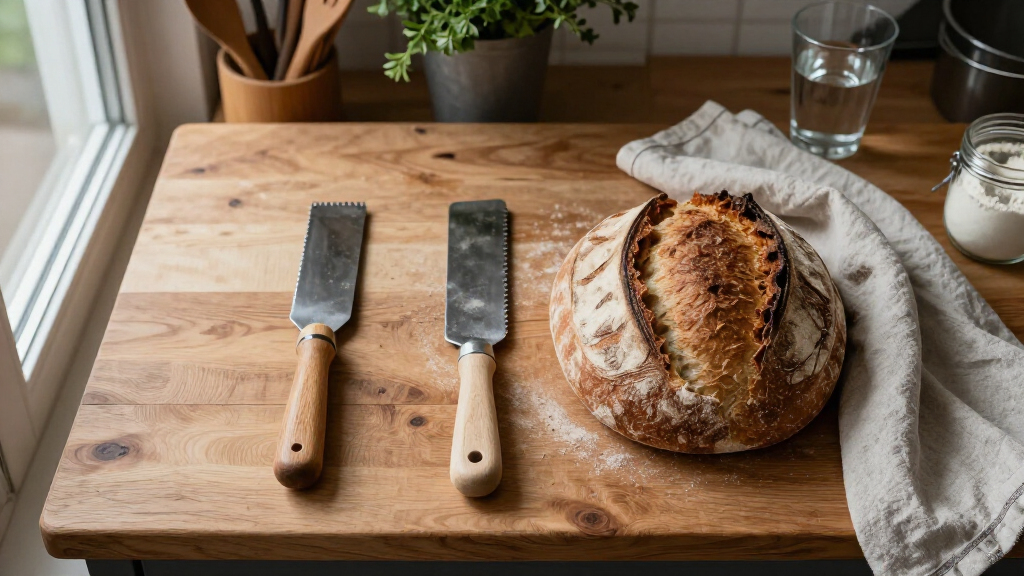
A bread lame is a handheld tool designed specifically for scoring dough with precision. It typically features a sharp, replaceable blade attached to a handle, allowing you to make controlled, shallow cuts on the surface of your bread.
Think of it like a tiny, artful paintbrush for your dough. The right score helps the bread expand evenly and creates that beautiful pattern on top. Without proper scoring, your loaf might crack unpredictably or become misshapen during baking.
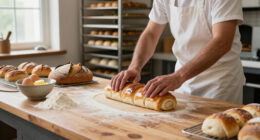
For example, a sourdough baker might use a lame to make a series of parallel slashes, guiding the bread’s rise into a pattern. That’s what makes a lame indispensable—your bread’s final look and texture depend heavily on how well you score it.
Products Worth Considering

Ninja Professional XL Food Processor, 12-Cup, 1200 Peak Watts, NF701

Vitamix Propel Series 510 Professional-Grade Blender, 3 Programs, Black

KitchenAid Artisan 5-Quart Tilt-Head Stand Mixer, Almond Cream
As an affiliate, we earn on qualifying purchases.
Which Types of Scoring Tools Are Out There?
| Tool Type | Shape & Design | Best For | Pros | Cons |
|---|---|---|---|---|
| Bread Lame | Straight or curved blades on handles | Artistic patterns, controlled cuts | Sharp, replaceable blades; ergonomic handles | Requires practice to master |
| Razor Blade | Single blade, often disposable | Quick, simple scoring | Very sharp, inexpensive | Less control, safety risk |
| Chef’s Knife | Large, curved blade | Basic scoring, rough cuts | Common, versatile | Less precise, risk of tearing dough |
| Craft or Utility Blades | Small blades, various shapes | Decorative cuts, detailed designs | Sharp, customizable | Requires careful handling |
What Makes a Good Bread Lame? Key Features to Know
When choosing a bread lame, sharpness is king. A blade that’s dull or nicked will drag through the dough, causing uneven scores or tearing. But beyond sharpness, the material and handle design significantly influence your control and comfort. A well-balanced lame reduces hand fatigue and allows for more precise cuts, which is crucial when scoring intricate patterns or working with delicate doughs that require gentle handling. Material choices like stainless steel versus carbon steel affect not only durability but also maintenance routines, impacting how often you should replace or sharpen blades. A good lame also offers features like adjustable blade depth, giving bakers the flexibility to control the expansion of their loaves. These features matter because they directly influence the quality of your scoring—better control means cleaner, more consistent cuts, which translate into more aesthetically pleasing and well-structured bread. Investing in a lame with these features ultimately empowers bakers to achieve professional-looking results with less effort and greater confidence.
How to Pick the Right Scoring Tool for Your Style
- Assess how often you bake. If you bake weekly, investing in a durable lame with replaceable blades makes sense.
- Decide on your preferred patterns. Want simple slashes or intricate designs? Your choice of blade shape and size will differ.
- Consider comfort and safety. An ergonomic handle reduces fatigue and accidental slips.
- Match your budget. Basic models start around $5, while professional-grade lames can hit $50 or more.
For example, a beginner might start with an affordable, simple lame with a straight blade and upgrade later as they get more comfortable. Advanced bakers might prefer a premium, adjustable lame with a beautifully balanced handle.
Blade Sharpness and Maintenance — Keep Your Cuts Clean
A dull blade is the enemy of a perfect score. It drags and smears, ruining the appearance and potentially affecting how the bread expands. Regularly checking your blades and replacing them when they lose sharpness keeps your scoring precise. A dull blade not only makes scoring more difficult but also risks tearing or uneven cuts that compromise the bread’s appearance and structure. Conversely, a sharp blade ensures clean, crisp lines that allow the dough to expand smoothly and predictably, producing a more professional finish. Proper maintenance, including regular sharpening or replacement, prolongs the life of your tools and ensures consistent results. The tradeoff is that sharpening blades requires time and the right equipment, but neglecting this can lead to subpar scores and uneven baking. Ultimately, investing in sharp, well-maintained blades saves you effort and improves your bread’s aesthetic and structural quality.
Other Tools and Techniques for Scoring Success
If you don’t have a dedicated lame, you can get creative. Sharp, new utility or craft blades, or even a very sharp kitchen knife, can do the job. The key is control and sharpness. Using alternative tools requires understanding their limitations; for example, a dull blade or a poorly balanced knife can cause uneven or ragged cuts, which may affect how the bread expands and looks. Practice is essential—the more familiar you are with the tool, the better your control will be, leading to cleaner, more consistent scores. It’s also important to use quick, confident motions; hesitation often results in jagged or uneven cuts. Scoring at a slight angle (about 30-45 degrees) helps create cleaner, deeper cuts that guide the expansion more predictably. When improvising, always prioritize sharpness and control to replicate the results you’d get with a proper lame. This flexibility can be a valuable skill, especially when you’re in a pinch or experimenting with different styles.
The Impact of Pattern and Depth on Bread Expansion
Ever wonder why some loaves crack beautifully, while others burst unpredictably? The answer lies in how and where you score, as well as how deep your cuts are. Deeper, precisely placed scores act as controlled expansion points, guiding the bread’s rise and giving it an artisan appearance. For instance, a single deep slash on a round loaf allows the bread to bloom upward, while multiple parallel slashes create a layered, textured effect. The depth of each cut influences how the dough pushes against itself during baking—too shallow, and the dough won’t expand properly; too deep, and it risks tearing or collapsing. A common guideline is to score about ¼ inch deep for most sourdoughs, but this can vary depending on dough hydration and proofing. The tradeoff is that deeper scores require more confidence and control; overly deep cuts can weaken the dough’s structure and cause collapse, while shallow scores may result in poor expansion. Mastering the right balance of pattern and depth allows bakers to achieve both aesthetic appeal and optimal oven spring.
Safety Tips for Handling Sharp Scoring Tools
Sharp blades require respect. Always handle your lame or blades with care to prevent injuries. Use a stable surface and keep blades pointed away from your hands. Proper handling reduces the risk of accidental cuts, which can be severe given the sharpness of these tools. When scoring, maintain a firm grip and control your motion, ensuring your hand doesn’t slip onto the blade’s edge. Store blades in a secure, designated container or protective case to prevent accidental contact when not in use. After scoring, clean blades immediately to remove dough residues and prevent rust, especially if you’re using carbon steel blades which are more prone to corrosion. Wear cut-resistant gloves if you’re new to handling sharp tools, and always cut away from your body. These precautions help maintain your safety throughout the baking process and prolong the lifespan of your tools, ensuring consistent, safe performance every time.
Frequently Asked Questions
Can I use a regular kitchen knife instead of a bread lame?
While you can, a regular knife lacks the control and precision of a lame. A bread lame’s thin, sharp blade creates cleaner, more consistent scores, helping your bread expand evenly and look professional.
How often should I replace my lame blades?
Generally, replace blades after about 10-15 uses or when they become dull. Sharp blades make a huge difference in scoring quality and bread appearance. Regular inspection helps maintain control and safety.
What’s the best technique for scoring delicate dough?
Use a quick, confident motion at a 30-45 degree angle. Keep the blade sharp and don’t press too hard. Practice on scrap dough to perfect your rhythm, ensuring clean, deep cuts without tearing the dough.
Are decorative scoring patterns worth the effort?
Absolutely. Decorative patterns add artistic flair and can influence how the bread expands. Experiment with different shapes and depths to create unique, bakery-style loaves that impress friends and family.
What safety precautions should I take when handling blades?
Always handle blades carefully, store them in protective cases, and cut away from your body. Keep your workspace stable, and clean blades immediately after use to prevent rust and accidents.
Conclusion
Picking the right scoring tool isn’t just about aesthetics; it’s about giving your bread the best chance to rise beautifully. A sharp, well-maintained lame or blade makes all the difference between a flat, torn loaf and one with perfect, artistic cracks.
Next time you bake, think about how your tool can influence your bread’s final look. A small upgrade in your scoring gear can turn good bread into truly stunning loaves—so choose wisely and handle those blades with respect. Your bread—and your eyes—will thank you.