TL;DR
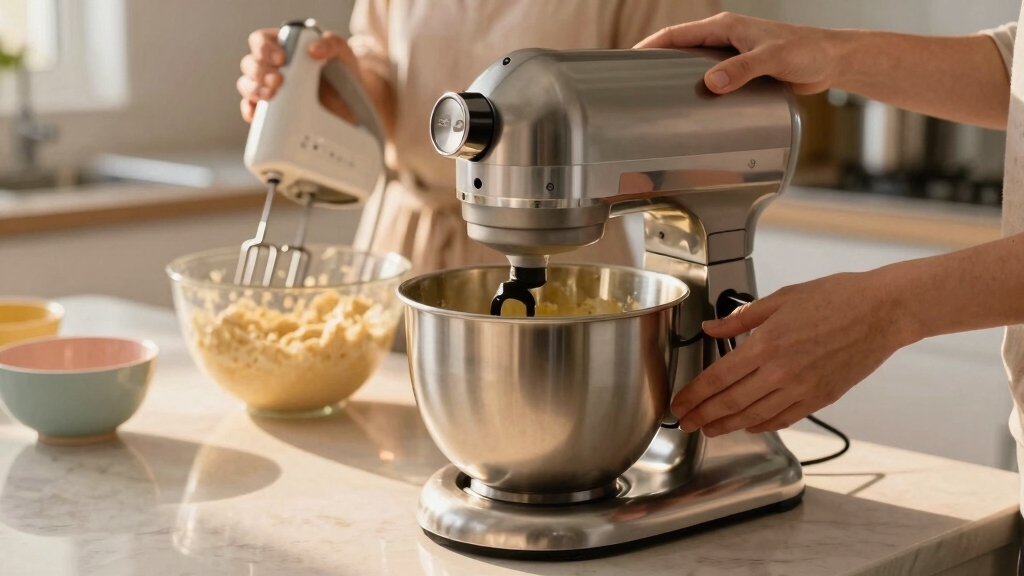
A stand mixer is best for heavy-duty tasks like kneading bread dough or large batches, thanks to its power and stability. A hand mixer works well for quick, light tasks such as whipping cream or mixing small batches, especially if space is limited. Choosing the right depends on your baking frequency and the types of recipes you make most often.
Imagine you’re about to bake a batch of thick bread dough or a delicate meringue. You need the right tool to get the job done efficiently. The choice between a stand mixer and a hand mixer isn’t just about price. It’s about matching your baking style with the right equipment.
In this guide, we’ll break down exactly when you need one over the other. Expect concrete examples, practical tips, and real-world scenarios—because the right tool makes baking not just easier, but more fun.
A stand mixer excels at heavy, dense doughs and large batches, making it perfect for serious bakers.
A hand mixer is compact, budget-friendly, and ideal for quick, light tasks in small quantities.
Choose a stand mixer if you bake frequently, especially bread or large cakes; go for a hand mixer if space is limited or baking is occasional.
Modern mixers are smarter with digital controls and portability features, but the core differences in power and size remain crucial.
Investing in a durable stand mixer can last for decades, offering excellent value for heavy use.
Power and Performance: Which Mixer Can Handle Heavy Doughs?
Stand mixers shine when faced with heavy, thick doughs.
For example, kneading a 2-pound loaf of bread requires serious torque. A stand mixer with a motor of at least 300 watts can knead this without breaking a sweat, delivering consistent, reliable results.
Hand mixers, on the other hand, are designed for lighter tasks. They can whip egg whites or mix pancake batter but struggle with dense bread doughs. Using a hand mixer for heavy dough can burn out the motor or lead to uneven results.
Why this matters: The ability to handle heavy doughs without overheating or stalling means fewer interruptions and more consistent baking outcomes. The tradeoff is that stand mixers are bulkier and more expensive, so if you rarely bake heavy breads, investing might not be justified. Choosing the right tool hinges on your typical baking load and desired results.
As an affiliate, we earn on qualifying purchases.
Size and Space: Do You Have Room for a Stand Mixer?
A stand mixer is a sizable investment in space. It often weighs 20 pounds or more and needs a dedicated spot on your countertop or in a cabinet.
Consider how this impacts your daily kitchen workflow: a large, stationary appliance can become an obstacle if your kitchen is small or cluttered. Conversely, a hand mixer is highly portable, easily stored in a drawer or small cupboard, making it ideal for kitchens with limited space or for those who bake infrequently.
Implication: If your kitchen space is tight, the convenience of a hand mixer may outweigh the benefits of a stand mixer’s power. But if you regularly bake large batches or want an all-in-one device, sacrificing some space can be worthwhile for the increased capacity and stability of a stand mixer.
compact hand mixer for small batches
As an affiliate, we earn on qualifying purchases.
As an affiliate, we earn on qualifying purchases.
Ease of Use: Which Tool Saves You Time and Effort?
A stand mixer offers hands-free convenience. You pour ingredients in, set the speed, and walk away. It’s perfect for long, repetitive tasks like kneading dough or whipping meringue.
Why this matters: This frees up your hands for other prep work or cleaning, and reduces fatigue during lengthy mixing. The tradeoff is that it requires initial setup and cleanup of attachments, but overall, it often saves time and effort in the long run.
With a hand mixer, you manually control the device, which can be tiring during extended use but offers greater flexibility for quick, small tasks. It’s ideal for small batches or when you need precise control over mixing speed and texture. The key point: Your comfort and efficiency depend on the task’s duration and complexity.
heavy-duty stand mixer with 300 watt motor
As an affiliate, we earn on qualifying purchases.
As an affiliate, we earn on qualifying purchases.
Versatility and Attachments: What Can Each Mixer Do?
Stand mixers often come with a variety of attachments—dough hooks, paddles, whisks—that transform it into a multi-purpose kitchen helper.
Why this matters: The ability to swap out attachments means you can tackle a broad range of recipes from bread to pasta to whipping cream, consolidating multiple tools into one device. This versatility can save space and money over buying separate appliances.
In contrast, hand mixers are limited. They usually come with beaters and sometimes a whisk attachment. They’re suitable for quick tasks like making cake batter or whipping cream but aren’t built for kneading heavy doughs or making pasta. The tradeoff: They’re simpler and more affordable but less adaptable.
Choosing between them depends on your cooking ambitions: do you want a multi-functional station or a simple, focused tool? The implication is that a stand mixer can grow with your skills, while a hand mixer is more suited for basic, occasional tasks.
lightweight handheld electric mixer
As an affiliate, we earn on qualifying purchases.
As an affiliate, we earn on qualifying purchases.
Cost Considerations: How Much Should You Budget?
Expect to spend between $20 and $100 for a decent hand mixer. They’re budget-friendly, especially for occasional bakers or beginners who don’t need heavy-duty features.
In contrast, stand mixers typically start around $200 and can reach into the thousands for high-end models with extra attachments and advanced controls.
Implication: Your budget influences not just the initial purchase but also your long-term satisfaction. If you bake infrequently, a lower-cost hand mixer may suffice, but if you’re committed to regular baking, investing in a sturdy stand mixer can provide better durability, efficiency, and value over time.
Durability and Longevity: Which One Lasts Longer?
Generally, stand mixers are built for heavy use. Their sturdy motors and metal components make them last for years—even decades—if maintained properly.
Why this matters: A durable stand mixer can handle frequent, intensive baking sessions without wearing out, providing consistent results and saving you money in replacements. The tradeoff is the higher initial cost and weight, which can be a barrier for some users.
Hand mixers can also be durable, but their smaller motors and plastic parts are more susceptible to wear and tear, especially with regular use for heavy tasks. They may need replacing sooner, but their lower price makes this less impactful. The key: if your baking routine is intense, a stand mixer offers better long-term value and reliability.
Recent Trends: What’s New in Mixer Tech?
Modern stand mixers now include digital controls, timers, and even app connectivity for precise baking. These features help bakers fine-tune recipes and track progress, reducing guesswork and improving consistency.
Meanwhile, lightweight, ergonomic hand mixers aim to reduce fatigue and make quick jobs easier. Battery-powered models offer greater portability, perfect for small kitchens or on-the-go baking.
This evolution means both tools are becoming smarter and more adaptable, enhancing user experience. The tradeoff is that added features often increase cost and complexity, which may be unnecessary for casual bakers. Understanding these trends helps you choose a tool that aligns with your baking style and tech comfort level.
Quick Comparison: Stand Mixer vs Hand Mixer at a Glance
| Feature | Stand Mixer | Hand Mixer |
|---|---|---|
| Power | High, handles dense doughs | Lower, best for light tasks |
| Size | Large, needs space | Compact, easy to store |
| Ease of Use | Hands-free, set-and-forget | Manual control, handheld |
| Attachments | Multiple, versatile | Limited, mainly beaters |
| Cost | $200+ for good models | $20-$100 |
When to Reach for Each: Practical Scenarios
Use a stand mixer when baking bread, kneading large batches of cookie dough, or whipping large quantities of cream. For example, making a double batch of bread dough for a family gathering is a breeze with a stand mixer.
Opt for a hand mixer for quick jobs like whisking eggs, beating small batches of cake batter, or whipping cream for a single dessert. Imagine mixing a quick pancake batter on a lazy Sunday morning—fast, easy, no fuss.
The choice hinges on your typical baking habits and how much space you have.
Frequently Asked Questions
Is a stand mixer necessary for bread baking?
Yes. A stand mixer with a powerful motor makes kneading bread dough much easier and more consistent, especially for larger batches. It saves effort and ensures even gluten development.Can I use a hand mixer instead of a stand mixer for cake batter?
Absolutely. For small- to medium-sized batches, a hand mixer works well for mixing cake batter, whipping cream, or beating eggs. Just watch the speed and avoid overmixing.Will a hand mixer handle stiff cookie dough?
Stiff cookie dough is usually tough for hand mixers. It can strain the motor or cause splattering. A stand mixer with a sturdy dough hook is a safer bet for heavy doughs.How much should I budget for a good stand mixer?
A solid, reliable stand mixer typically starts around $200. Premium models with extra features can go much higher, but for most home bakers, $250-$400 covers quality and durability.Which is easier to clean, a stand mixer or a hand mixer?
Hand mixers are generally easier to clean since they’re smaller and have fewer parts. Stand mixers require disassembly of attachments and thorough cleaning but are still manageable with regular upkeep.Conclusion
Matching your baking style with the right mixer boosts your confidence and makes the process more enjoyable. Think about what you bake most often, how much space you have, and your budget.
Remember: a stand mixer is a workhorse for heavy, frequent baking. A hand mixer offers quick, simple solutions for light tasks. Pick the one that fits your kitchen and your baking dreams.