TL;DR

Get baking supplies delivered free with Prime
- Fast, free delivery on millions of items
- Prime Video, Amazon Music and more included
- Member-only deals all year
High-quality materials like cast iron, anodized aluminum, and stainless steel last longer. Proper care—gentle cleaning, avoiding thermal shocks, and smart storage—can extend your pans’ lifespan to a decade or more.
Ever pulled out a baking pan that’s seen better days—warped edges, scratched coating, or dull finish? It’s frustrating. The good news: you can choose pans that last a decade with a little know-how.
This guide breaks down what makes a baking pan durable, from materials to construction, and shares simple tips to keep them in top shape. Instead of tossing your pans every few years, learn how to invest wisely and bake with confidence for years to come.
Choose heavy-duty materials like cast iron, anodized aluminum, or stainless steel for best longevity.
Thick, multi-layer construction resists warping and extends lifespan.
Proper care—gentle cleaning, avoiding thermal shocks, and careful storage—can double your pans’ lifespan.
High-quality brands with warranties are a smart investment for durability.
Avoid common mistakes like rapid temperature changes and metal utensil use to keep pans in top shape.
What Materials Make a Baking Pan Last a Decade? Choose These for Long-Term Durability
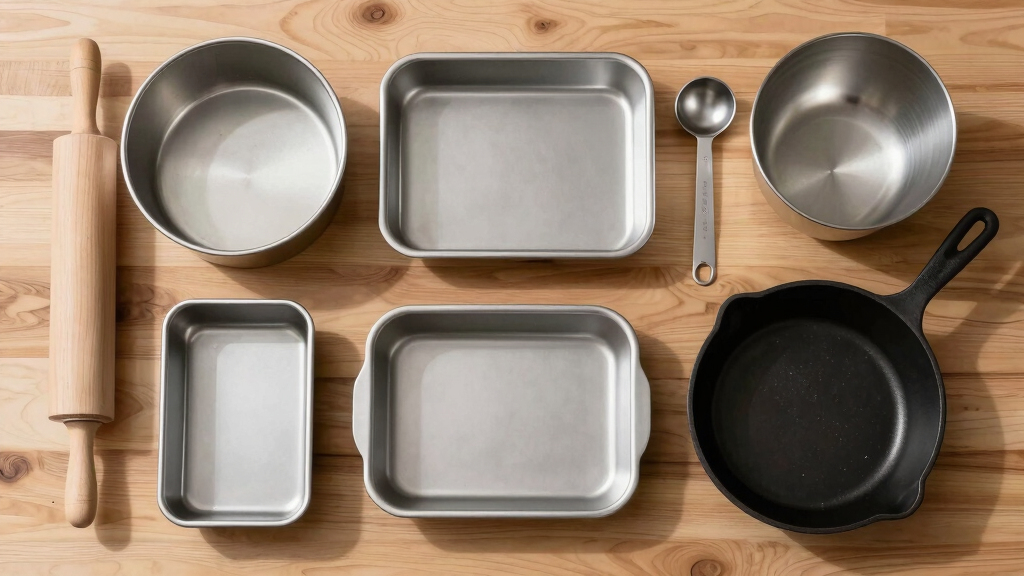
Some materials naturally resist wear and tear better than others. Cast iron, stainless steel, and anodized aluminum stand out as the top contenders for longevity.
Cast iron is legendary—if seasoned well, it can last a lifetime. Its thick walls and high heat retention make it ideal for hearty baking. Stainless steel pans resist rust and corrosion, perfect for busy kitchens. Anodized aluminum combines excellent heat conduction with a tough, non-reactive surface, resisting scratches and warping.
Think of it like choosing a car. You want something built tough, that ages gracefully. For baking pans, the same rule applies. Materials matter because they determine how well your pans hold up through years of use. Choosing a durable material means fewer replacements, saving you money and reducing waste. However, each material has tradeoffs: cast iron is heavy and requires maintenance, while stainless steel may not heat as evenly as aluminum. Understanding these nuances helps you pick the right pan for your needs and longevity.
Products Worth Considering

Le Creuset Enamemed Cast Iron Oval Dutch Oven, 5 qt., White/Crucible

Breville Barista Pro Espresso Machine with Grinder, Brushed Stainless Steel

Le Creuset Enameled Cast Iron Round Dutch Oven, 5.5 Qt, Flame
As an affiliate, we earn on qualifying purchases.
How Construction and Thickness Tell You a Pan Will Last
Thicker pans tend to distribute heat more evenly, reducing hot spots that can cause warping or uneven cooking. A sturdy, multi-layered construction offers additional resistance to bending, cracking, or warping over time. This is crucial because even minor deformations can affect your baking results and shorten the lifespan of the pan.
For example, a 3mm thick aluminum pan with an aluminum core sandwiched between layers of stainless steel provides excellent durability. The thick walls not only resist warping but also help in maintaining consistent temperature, which is vital for reliable baking. Heavy-duty construction feels solid, and that solidity translates into longevity. Conversely, thinner pans may warp under high heat or heavy use, leading to uneven baking and eventual damage.
Imagine baking a dense bread or roasting a large batch of vegetables. A well-built, thick pan can handle the weight and heat without bending or cracking. The tradeoff is that heavier pans can be more cumbersome to handle, so balance durability with ease of use based on your baking style. The key takeaway is that investing in thicker, well-constructed pans can significantly extend their usable life, making them a smarter choice in the long run.
What Coatings and Finishes Help Your Pans Survive a Decade
Durable coatings, like high-quality non-stick or enamel, are game-changers because they protect the surface from scratches, staining, and corrosion. High-quality non-stick coatings that are PFOA-free and scratch-resistant can withstand years of use, but their longevity depends on proper care. Non-stick coatings with lower quality or those subjected to metal utensils tend to peel or scratch more quickly, exposing the underlying material to damage and reducing the pan’s lifespan.
Enamel-coated pans combine the durability of cast iron with a smooth, easy-to-clean surface. They resist rust and staining, making them ideal for frequent baking. However, the enamel can chip if handled roughly or exposed to thermal shocks. The tradeoff is that cheaper coatings or improper use can accelerate wear, so investing in high-quality finishes and using gentle utensils prolongs the life of your pans.
For instance, a ceramic coating can last several years if you avoid metal utensils and sudden temperature changes. Think of it as a protective armor—keeping the surface intact ensures your pan remains functional and attractive over many uses. Choosing the right finish depends on your baking habits and willingness to care for the pan properly.
The Brand and How Warranties Signal Long-Lasting Quality
Established brands like Lodge, All-Clad, and Nordic Ware typically back their pans with warranties that reflect their confidence in durability. These warranties often cover defects or warping, indicating the company’s trust that their products will withstand years of use.
For example, Lodge offers a lifetime warranty on its cast iron cookware, which signifies its expectation that the product will last a lifetime with proper care. Such warranties are not just marketing tools—they are indicators of quality craftsmanship and materials that meet rigorous standards. When a brand stands behind its product, it suggests that the pan is built to last and that the company is committed to supporting its durability over time.
Investing in reputable brands with strong warranties can save you money and hassle in the long run. A warranty provides peace of mind, ensuring that if something goes wrong—like warping, cracking, or coating failure—you can get a replacement or repair. This long-term support is a key sign that the product is designed for durability and high performance over many years.
How to Keep Your Baking Pans in Top Shape for 10+ Years
Proper maintenance is crucial because even the sturdiest pans can degrade without proper care. Hand washing with warm water and non-abrasive soap prevents scratches and preserves coatings. Using metal utensils on non-stick surfaces accelerates wear, so opt for silicone or wooden tools to avoid damaging the coating. Drying immediately after washing prevents rust, especially on uncoated or cast iron pans.
Don’t expose hot pans to cold water—this thermal shock can cause warping or cracking, especially in metal pans. Instead, let them cool naturally before cleaning. When storing, consider stacking with protective layers or hanging to avoid dents and scratches that can compromise the pan’s integrity.
Imagine baking a tray of cookies and immediately rinsing it with cold water. That quick change in temperature can cause warping, potentially leading to cracks or deformation over time. Instead, allow the pan to cool gradually, then clean gently. Regularly inspecting your pans for signs of wear—such as chips or cracks—and addressing issues promptly helps maintain their structural integrity for years to come. These simple steps are investments in your pans’ longevity, ensuring they remain reliable baking companions for a decade or more.
Latest Tech and Trends Making Pans Last Longer
Recent innovations include multi-layered constructions that combine different metals—like aluminum cores sandwiched between stainless steel—to improve durability and heat conduction. Anodized aluminum now offers increased resistance to scratches and corrosion, which prevents surface degradation over time. Eco-friendly coatings made from sustainable materials are gaining popularity, as they tend to be more durable and less toxic, extending the lifespan of the pan and reducing environmental impact.
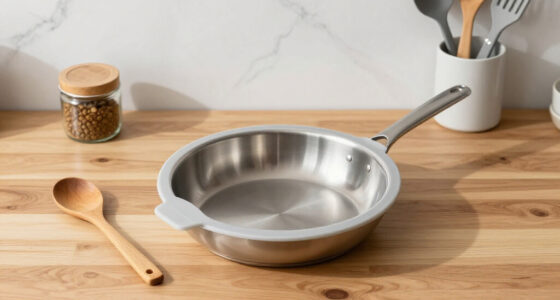
Ergonomic, heat-resistant handles are also a trend, as they prevent damage from accidental drops or excessive force, maintaining the pan’s structural integrity. Picture a sleek, triple-layer pan that heats evenly without warping, with a sturdy handle that withstands daily use—these are the kinds of innovations that make pans last longer and perform better over many years. Investing in these technological advancements can significantly increase the longevity of your cookware, ensuring it remains a reliable kitchen workhorse for a decade or more.
Quick Comparison: Which Material Lasts the Longest?
| Material | Durability | Heat Conduction | Maintenance |
|---|---|---|---|
| Cast Iron | Excellent, if seasoned properly | High | Low; needs seasoning, hand wash only |
| Stainless Steel | Very durable, resistant to rust | Moderate | Easy; dishwasher safe |
| Anodized Aluminum | Very durable, scratch-resistant | Excellent | Moderate; hand wash recommended |
What Mistakes Shorten Your Baking Pans’ Lifespan — And How to Avoid Them
Common pitfalls include sudden temperature changes—like pouring cold water into a hot pan—which can warp or crack it. Using metal utensils on non-stick coatings causes scratches that cut short their life. Overloading the dishwasher or neglecting to dry pans properly can lead to rust or warping. Also, ignoring signs of wear—like peeling or cracks—means you’re baking with a ticking time bomb.
For example, many people don’t realize that a quick splash of water on a hot pan causes thermal shock. The fix? Let it cool first, then wash gently. Recognizing these mistakes and understanding their implications helps you prevent costly damage, ensuring your pans serve you for many years. Small habits like avoiding rapid temperature changes and using appropriate utensils can make a big difference in prolonging your pan’s usability. Being mindful of these factors is key to maintaining your investment and enjoying consistent baking results over the long term.
Frequently Asked Questions
What is the most durable material for baking pans?
Cast iron and high-quality stainless steel are among the most durable options. They can withstand frequent use and resist warping or rusting if properly maintained.How can I make my baking pans last longer?
Proper cleaning—hand wash and dry immediately—avoiding metal utensils, and storing carefully help extend your pans’ lifespan. Also, avoid thermal shocks by letting hot pans cool naturally before washing.Are non-stick pans worth the investment?
High-quality non-stick pans can last several years if cared for properly, but they typically don’t last as long as cast iron or stainless steel. Choose those for maximum longevity.What brands are known for durable baking pans?
Brands like Lodge, All-Clad, Nordic Ware, and Calphalon are often recommended for their durability and lifetime warranties, making them reliable long-term investments.How do I prevent my pans from warping?
Avoid thermal shock by not exposing hot pans to cold water and use even heating. Also, avoid overheating or subjecting pans to sudden temperature changes.Conclusion
Investing in a durable baking pan isn’t about spending more—it’s about choosing the right materials and caring for them wisely. With a little attention, your pans can serve you reliably for a decade or more.
Picture your kitchen filled with trusty, shiny pans ready to handle everything from delicate cakes to roasted vegetables. That’s the power of smart choices. Now go ahead—pick your next pan with confidence, and bake on for years to come.