TL;DR
Healthy baking mixing bowls are food-contact bowls that suit your ingredients and the way you use them. Stainless steel, glass, ceramic, silicone, and plastic each have tradeoffs; check product labels for heat and cleaning limits, and replace bowls with deep scratches, cracks, chips, or damaged coatings.
A bowl can look spotless and still be the wrong choice for the job. Put a cold glass bowl under a broiler, or whisk a sharp lemon mixture in a damaged bowl, and the material and condition matter more than the color or price tag.

Get baking supplies delivered free with Prime
- Fast, free delivery on millions of items
- Prime Video, Amazon Music and more included
- Member-only deals all year
When you shop for healthy baking mixing bowls, think about three things: what the bowl is made from, how you plan to use it, and whether its care label fits your kitchen. The word healthy is not a standardized bowl category, so a confident choice starts with food-use labeling and sensible care.
This guide compares common materials, explains what to check before buying, and offers a practical starter set for everyday recipes. You’ll also find straightforward storage and food-handling advice, so the bowl helps your baking instead of adding guesswork.
Treat “healthy” as a practical checklist: food-use labeling, sound condition, and suitability for the recipe.
Use stainless steel for versatile mixing; use glass in a microwave only when the product label allows it.
A small, medium, and large bowl can cover measuring, mixing, and dough tasks without crowding your cupboards.
Replace bowls with cracks, chips, deep scratches, or damaged coatings that are difficult to clean.
Follow product care instructions and refrigerate perishable mixtures promptly.
Choose a bowl for the recipe you actually make
Healthy baking mixing bowls are bowls intended for food contact that are in good condition and suitable for the ingredients, temperature, and appliances you plan to use. That definition is practical: a bowl that works beautifully for cookie dough may not be suitable for a microwave or a hot sugar mixture. Start with the manufacturer’s instructions, rather than assuming every bowl of one material behaves the same way.
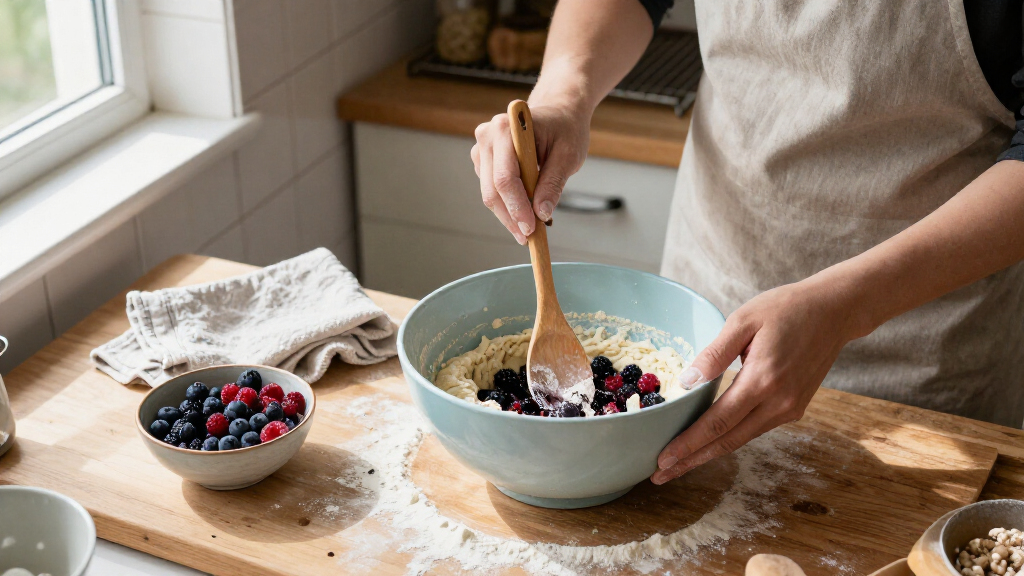
For example, if you bake muffins on Sunday, a roomy stainless steel bowl can handle flour, eggs, and milk without feeling precious. If you often melt butter in the microwave, a glass bowl labeled microwave-safe may save you a separate dish. The right choice depends on the job, and a bowl’s shape matters too: a stable base helps when you’re beating butter, while a wide rim makes pouring batter less messy.
A simple way to judge a purchase is to check food-use labeling, temperature limits, cleaning instructions, and the condition of the surface. “Dishwasher-safe” and “oven-safe” are product-specific claims. A manufacturer’s exact label gives you better guidance than a vague front-of-package promise.
Think of your bowls as tools in a small workshop. A flexible silicone bowl is handy for scraping thick batter, while a heavy ceramic bowl might be the one you bring straight to the table. Neither needs to do every job.
Products Worth Considering

Traeger Pro 22 Wood Pellet Grill & Smoker

Cuisinart Chef's Classic Stainless Steel Cookware Set, 17-Piece

KitchenAid 5.5-Quart Bowl-Lift Stand Mixer, Porcelain White
As an affiliate, we earn on qualifying purchases.
Compare five bowl materials before you buy
Stainless steel is a strong everyday option because it is light, durable, and nonreactive with most ingredients. Glass is nonporous and useful for microwave tasks when its label allows them, though it is heavier and can break. Ceramic, silicone, and plastic each fill a different practical niche, so the best set often combines materials.
| Material | What it does well | What to watch |
|---|---|---|
| Stainless steel | Lightweight, durable, useful for mixing | Check appliance limits; dry promptly if its care label calls for it |
| Glass | Nonporous; microwave use when labeled safe | Heavy, breakable, and not automatically oven-safe |
| Ceramic | Sturdy, attractive for serving | Chips or cracks can be hard to clean safely |
| Silicone | Flexible, light, easy to scrape | Quality and temperature limits vary by product |
| Plastic | Lightweight and often inexpensive | May scratch, stain, hold odors, or have heat limits |
Say you’re mixing a lemon cake batter. Stainless steel is generally a practical choice for a short mixing session; for prolonged contact with acidic ingredients, follow the bowl maker’s guidance. Uncoated aluminum can react with acidic foods, so avoid leaving lemon juice or tomato-based mixtures in it if the manufacturer advises against that use.
Materials that are generally considered food-safe still need to be made and labeled for food use. For example, “silicone” alone doesn’t tell you a particular bowl’s quality or temperature limit. Look for the intended use and care details for that exact product.
Build a useful starter set without filling a cupboard
Three useful sizes cover many home-baking tasks: a small bowl for measured ingredients, a medium bowl for creaming or whisking, and a large bowl for dough or batter. A practical set matters more than owning a dozen bowls, especially if nesting shapes let you stack them in one cabinet.
Picture a Saturday batch of banana bread. You can measure spices and baking soda into a small bowl, mash bananas and mix wet ingredients in a medium one, then combine everything in a large bowl without crowding the batter. If you only have one bowl, you’ll keep stopping to wash it between steps. A second bowl can make the whole recipe feel calmer.
- Pick a small bowl for dry ingredients, a glaze, or separating an egg.
- Add a medium bowl for whipping eggs, mixing frosting, or holding chopped fruit.
- Choose a large bowl with enough room to stir without flour puffing over the rim.
- Check the base and rim for stability and comfortable handling, especially if you mix by hand.
- Consider a lid or spout only if you’ll use it for leftovers or pouring thin batter.
Sizes vary by brand, so compare capacity and dimensions rather than trusting labels such as “medium.” If you often make a double batch of pancake batter, a large bowl with extra headroom saves you from sloshing batter onto the counter. A non-slip bottom can help, but it shouldn’t replace a steady grip.
Use heat ratings and condition checks to avoid mishaps
A bowl’s label sets its limits: microwave, oven, freezer, and dishwasher compatibility depend on the specific product. Don’t assume that all glass bowls can go in the oven, that every silicone bowl handles high heat, or that a stainless steel bowl belongs in the microwave. Thermal shock can also crack some glass, so avoid sudden temperature changes unless the maker says the product can handle them.
Imagine you’ve just taken a glass bowl from the fridge and want to warm butter in it. Check the instructions before placing it in a microwave, and follow any guidance about temperature changes. For a metal bowl, use it for mixing and choose a labeled microwave-safe dish for heating. That extra transfer takes seconds and avoids relying on a guess.
Before each use, look for deep scratches, cracks, chipped rims, and damaged coatings. A tiny cosmetic mark may not mean the bowl is unusable, but a surface that’s hard to clean deserves replacement. If a ceramic rim has chipped where batter touches it, retire that bowl from food preparation. A damaged surface can trap residue, and a sharp edge can cut your hand.
Use the bowl as labeled, and replace it when damage makes it difficult to clean or handle safely. A fresh bowl is a small fix compared with trying to work around a cracked rim during a busy baking session.
Material and temperature also affect baking technique. Metal bowls can chill quickly, which may help when whipping cream, but an ordinary stainless bowl is not a shortcut for proofing dough in a warm oven. For yeast dough, follow the recipe’s temperature cues and keep the dough away from excessive heat.
Clean bowls well and keep them in good shape
Cleaning starts with the care label, because dishwasher and heat claims vary by bowl. Wash away batter before it dries into a stubborn film, use the cleaning method the maker recommends, and dry metal promptly if the instructions call for it. Avoid harsh scrubbing on surfaces that can scratch or coatings that can wear down.
For a bowl with dried cookie dough, fill it with warm water and a little dish soap while you finish the recipe. A short soak softens the sticky edges, so you can wipe them away without gouging the surface. If your plastic bowl holds a garlic or spice smell, check its care directions before trying a stronger cleaner or a high-heat wash.
Store nested bowls only after they’re dry, and place a cloth or the manufacturer’s suggested protector between pieces if they rub or chip. This is especially useful for ceramic bowls stacked on a high shelf. A loose stack can clatter when you pull one bowl out; stable storage protects both the bowl and your fingers.
Food safety also depends on what goes into the bowl and how long it sits. Wash bowls after raw egg or other ingredients that need careful handling, and refrigerate perishable mixtures promptly instead of leaving them on the counter. A food-safe bowl does not make room-temperature storage safe by itself.
Read “BPA-free” and eco-friendly claims with care
A marketing claim does not replace food-use instructions. “BPA-free” refers to a particular substance claim and does not automatically prove that a bowl is suitable for every food, temperature, or appliance. Likewise, “eco-friendly” describes neither food-contact suitability nor a product’s heat rating; check the exact bowl’s label and the maker’s guidance.
Suppose you’re choosing between a recycled-plastic bowl and stainless steel. The recycled content may matter to you, but you still need to confirm that the bowl is intended for food use and suitable for your recipes. Check whether the maker explains cleaning limits and how to handle scratches. If those details are missing, choose a product with clearer instructions.
Coatings and additives can prompt questions, but broad claims about all plastic or all coated bowls can mislead. Look at the exact product information rather than assuming a whole material category shares one safety profile. If a coating peels or the bowl becomes deeply scratched, stop using it for mixing food and replace it.
For many home bakers, a durable bowl that lasts for years can reduce the need for frequent replacements. That’s a practical benefit, not proof that any one material is universally better for the planet or your kitchen. Choose based on your actual use, the bowl’s condition, and reliable product details.
Frequently Asked Questions
Which mixing bowl material is safest for everyday baking?
No single material is best for every baker. Choose a bowl intended for food contact, check its care and temperature limits, and keep its surface in good condition; stainless steel is a durable option for many everyday mixing jobs.
Are stainless steel bowls safe for acidic ingredients?
Stainless steel is nonreactive with most ingredients and works well for typical mixing. For prolonged contact with acidic mixtures, follow the manufacturer’s instructions, especially if the bowl is a different metal or has a coating.
Can I put a glass mixing bowl in the microwave or oven?
Use a glass bowl in the microwave or oven only when its product label allows that specific use. Glass can be heavy and breakable, and sudden temperature changes may damage some bowls.
Are BPA-free plastic bowls automatically safe?
No. BPA-free is a claim about a particular substance; it does not tell you every food-contact or temperature limit. Check that the bowl is intended for food use and follow its cleaning and heat instructions.
Is silicone a good choice for mixing bowls?
Food-use silicone bowls can be light and flexible, which makes scraping thick batter easy. Quality and temperature limits vary, so check the product’s labeling and replace a bowl if it becomes damaged or difficult to clean.
Can I still use a chipped ceramic bowl?
It’s safer to retire a chipped bowl from food preparation, especially if the chip is on the rim or the bowl has a crack. Damaged spots can be harder to clean and may have sharp edges.
What sizes should a home baker own?
A small, medium, and large bowl make a useful starter set for measured ingredients, routine mixing, and larger batches. Compare actual capacity and dimensions, since size labels vary between brands.
Conclusion
Choose bowls by the work you’ll ask them to do: a sturdy stainless steel bowl for everyday mixing, a labeled microwave-safe glass bowl for heating, and other materials when their particular features suit your recipes. Check the product instructions and retire anything cracked, chipped, deeply scratched, or hard to clean.
Then make room for the bowls you’ll reach for. The best set is the one that lets you mix a tender cake batter without a wobble, a spill, or a cupboard avalanche.