
TL;DR

Get baking supplies delivered free with Prime
- Fast, free delivery on millions of items
- Prime Video, Amazon Music and more included
- Member-only deals all year
Cookies spread into flat puddles mainly because of melted fats, ingredient ratios, and baking conditions. Chilling dough and adjusting oven temps are simple ways to prevent this. Small tweaks make a big difference.
Ever pulled a tray of cookies from the oven, only to find they’ve spread into thin, soggy puddles? It’s frustrating. But behind that flat, unappealing look lies a mix of simple chemistry and technique. Understanding why cookies spread helps you fix the problem and get the thick, chewy treats you want.
In this guide, we’ll explore the key reasons your cookies turn flat and share practical tips. Whether it’s butter temperature, ingredients, or baking temperature, a few small adjustments can make your cookies rise to perfection.
Chill your dough and keep butter cold to prevent melting and spreading.
Balance ingredients—more flour and less liquid sugar help cookies stay thick.
Bake at the right temperature and preheat your oven fully to set the structure early.
Adjust ingredient ratios slightly for thicker, chewier cookies without puddles.
Quick fixes like re-baking at higher temps can salvage flat cookies, but prevention works best.
Why Your Cookies Spread Into Flat Puddles
TL;DR: Cookies spread mainly because fats melt before the dough structure sets. Warm butter, loose ingredient ratios, liquid sugars, and a cool oven all give dough time to flow outward instead of rising into thick, chewy cookies.
Butter that is too soft or fully melted liquefies the dough early and encourages outward flow.
A short chill firms the fat and helps cookies hold their shape in the oven.
A fully preheated oven sets cookie edges sooner and reduces puddling.
Fat temperature, ingredient ratios, and baking conditions do most of the damage.
Cold butter and chilled dough slow spreading before structure sets.
Extra flour or cornstarch can tighten loose dough.
A small oven bump can help edges set faster when cookies run flat.
The Three Forces Behind Flat Cookies
A cookie only stays thick when the dough firms before it has time to flood the tray. These are the pressure points that decide whether it rises, relaxes, or turns into a puddle.
Butter melts too soon
Very soft or melted butter starts the dough in a runny state. Once heat hits, the cookie flows outward before the flour and eggs can lock it in place.
Too much sugar or fat
High butter, low flour, and liquid sweeteners like honey or corn syrup increase moisture and spread. More structure means more thickness.
The oven sets too slowly
A cool or under-preheated oven lets fats melt gradually while the dough stays soft. Hotter starts help edges firm before the cookie escapes.
How a Puddle Happens
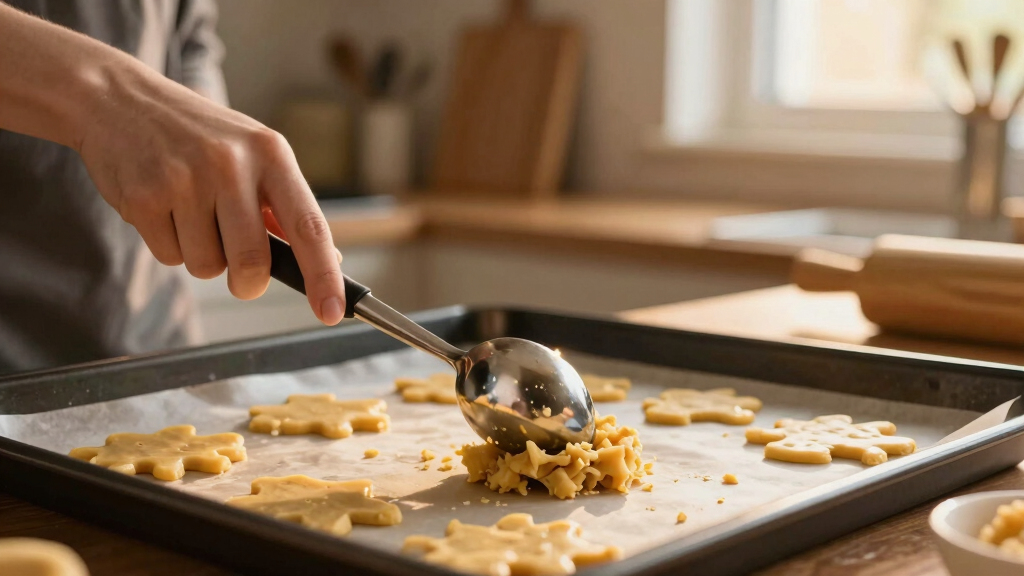
Flat cookies are not random. They follow a simple sequence: warm dough loosens, fat liquefies, structure arrives late, and the cookie spreads before it can stand up.
Warm dough
Butter softens on the counter or during mixing.
Fat liquefies
The dough becomes fluid as the tray heats.
Edges lag
The oven does not set the cookie quickly enough.
Flat puddle
The cookie spreads thin before structure catches up.
Spread Risk by Baking Variable
The highest-risk variables are the ones that make dough warmer, wetter, sweeter, or slower to set. Use the chart as a quick triage map before changing a recipe.
The oven sweet spot
Baking around 350°F to 375°F helps cookies set before they spread too far. If a reliable recipe still puddles, test a 10-15°F increase and watch the edges closely.
What to Change First
Small recipe and handling changes are usually enough. Start with chilling and butter temperature, then adjust flour, sugar type, and oven heat only as needed.
| Problem signal | Likely cause | Best fix | Spread control |
|---|---|---|---|
| Cookies run into one another | Butter or dough too warm | Chill dough at least 30 minutes | ✓ Strong |
| Edges are greasy and thin | Too much fat for the flour | Add flour or 1 tbsp cornstarch | ✓ Strong |
| Cookies look glossy and limp | Liquid sugar adds moisture | Use more granulated sugar | ~ Medium |
| Dough spreads before browning | Oven is too cool | Preheat fully or raise 10-15°F | ✓ Strong |
| Already baked flat | Structure set too late | Trim, stack, or briefly re-bake | ✗ Limited |
The Prevention Playbook
The fastest route to thicker cookies is boring in the best way: colder dough, steadier ratios, and a fully ready oven. Rescue tricks help, but prevention does the real work.
Keep butter cool
Use butter that is pliable but not shiny, oily, or melted. If the kitchen is warm, chill the bowl or pause the dough before scooping.
Chill the dough
Refrigerate scooped dough for at least 30 minutes. The firmer fat slows spread and gives the cookie time to set.
Reinforce structure
Add a tablespoon or two of flour, or a small amount of cornstarch, when dough feels loose or recipes consistently bake thin.
Set edges early
Preheat fully. If cookies puddle at 325°F, test 350°F or 375°F so the outer structure forms sooner.
Does sugar type matter?
Yes. Liquid sugars add moisture and encourage spread, while granulated sugar helps cookies stay more structured.
Can flat cookies be fixed?
Only partly. You can trim, stack, or briefly re-bake warm cookies, but the best fix happens before baking.
Why do recipes vary?
Butter level, flour amount, sugar type, leavening, dough handling, and oven heat all change the final spread.
Why Melting Fats Make Cookies Flatten (And How to Stop It)
The biggest reason cookies spread into puddles is the melting of fats, especially butter. When butter softens too much or turns to liquid during baking, it causes the dough to flow outward. This is why using very soft or melted butter often results in flat cookies.
For example, if you leave your dough out on the counter for too long or use butter that’s been sitting in a warm room, the fats become runny. During baking, these fats liquefy, and the dough loses its structure, spreading into a thin sheet.
To prevent this, keep your butter cold until you mix. Chill your dough for at least 30 minutes before baking. This firms up the fats, helping the cookies hold their shape. It’s like giving the dough a firm foundation to stand on during baking.
Products Worth Considering

Le Creuset Enameled Cast Iron Round Dutch Oven, 5.5 Qt, Flame

Le Creuset Signature Enameled Cast Iron Round Dutch Oven, 5.5 qt, Deep Teal

Le Creuset Enamemed Cast Iron Oval Dutch Oven, 5 qt., White/Crucible
As an affiliate, we earn on qualifying purchases.
Ingredient Ratios That Keep Cookies Thick and Chewy
Cookie thickness depends heavily on the balance of ingredients. Too much fat or sugar relative to flour makes the dough more fluid. For instance, a cookie with a high butter-to-flour ratio will spread more because fats melt faster and create a runny dough.
Using more flour, especially bread or all-purpose flour, helps build a sturdy structure. Adding a tablespoon or two of cornstarch can also tighten the dough, preventing excessive spread. Think of it as reinforcing the cookie’s frame.
Here’s a quick comparison:
| High-Spreading Dough | Thickening Tips |
|---|---|
| More butter, less flour | Add extra flour or cornstarch |
| Liquid sugars like honey | Use granulated sugar instead |
| Low dough hydration | Increase flour slightly |
Adjusting these ratios helps your cookies keep their shape without turning into a puddle.
How Oven Temperature and Baking Time Control Spread
Baking at the right temperature is key. Cookies spread more when the oven is too cool because the fats melt slowly, giving the dough time to flow outward. Conversely, a hotter oven sets the edges quickly, keeping cookies thicker.
Preheat your oven fully to at least 350°F (175°C). Start baking immediately after dough is shaped. If your cookies turn flat, try bumping up the temperature by 10-15°F or baking a minute or two longer to help set their structure faster.
For example, baking at 325°F might cause excessive spread, while 375°F can help cookies stay thicker. Experiment with your oven’s quirks — every oven is different.
Sometimes, even with all precautions, cookies still turn flat. Here are quick fixes:
- Re-bake at a higher temperature for a few minutes to set the edges.
- Use thicker dough portions or stack cookies if they’re flat but still chewy.
- Trim or re-shape slightly if they’re still warm and pliable.
- Try adding a sprinkle of flour or cornstarch on top before baking to tighten the surface.
But remember, these are band-aids. Prevention is always better.
Frequently Asked Questions
How do I prevent my cookies from spreading too much?
Chill your dough before baking, use cold butter, and make sure your oven is fully preheated. These simple steps help fats stay firm and cookies hold their shape better.
Does the type of sugar affect how much cookies spread?
Yes, liquid sugars like honey or corn syrup increase spread because they add moisture. Using granulated sugar helps cookies stay thicker and more structured during baking.
Can I fix flat cookies after baking?
While it’s tough to fully fix flat cookies after they’re out of the oven, re-baking at a slightly higher temperature or stacking and trimming can help. Prevention remains the best approach.
Why do some recipes spread more than others?
Ingredient ratios, dough handling, and baking conditions all play roles. Recipes with more butter or liquid sweeteners tend to spread more, especially if not chilled or baked at the right temp.
Are there recipes designed to prevent spreading?
Absolutely. Recipes with higher flour content, added cornstarch, or less fat tend to produce thicker cookies. Following these guidelines helps keep your cookies in shape.
Conclusion
Cookies turn into puddles mainly because fats melt too quickly, and dough ratios aren’t balanced. A few simple steps—chilling dough, controlling oven temps, and adjusting ingredient ratios—turn flat disasters into thick, chewy treats.
Next bake day, picture those perfect cookies rising tall and golden. Your next batch will thank you for these small tweaks. Happy baking!