
TL;DR

Get baking supplies delivered free with Prime
- Fast, free delivery on millions of items
- Prime Video, Amazon Music and more included
- Member-only deals all year
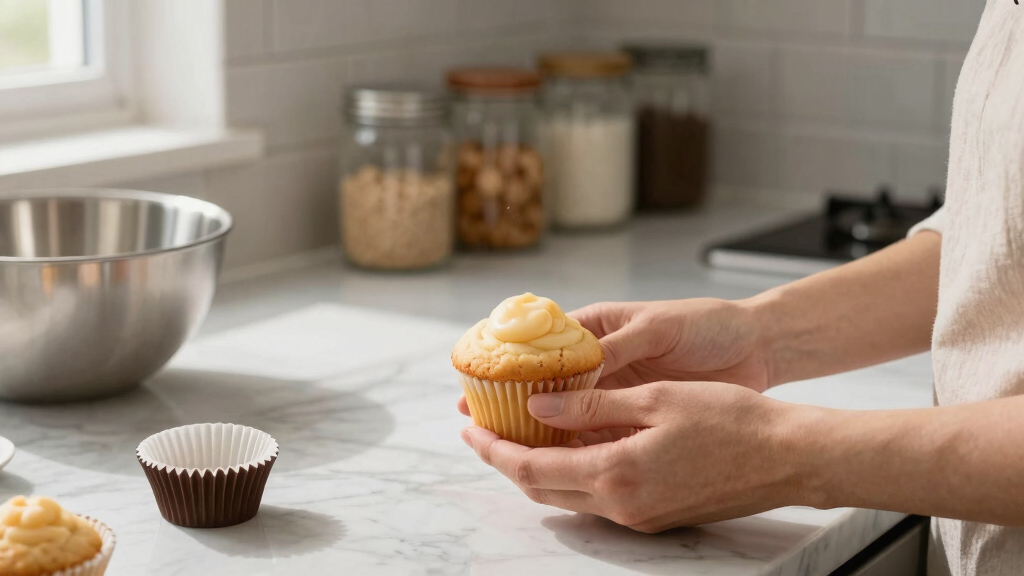
For cupcakes to rise with perfect domes, focus on accurate measurements, proper batter consistency, correct oven temperature, and filling liners correctly. Small adjustments make a big difference.
Ever wonder why some cupcakes look like tiny mountains, perfectly rounded with a fluffy top, while others flop flat? The secret isn’t just in the recipe but in how you treat your batter and your oven. Achieving that ideal, rounded dome on your cupcakes makes them not only more appealing but also adds a delightful texture that everyone loves.
In this guide, you’ll learn the concrete techniques, ingredient tips, and common pitfalls to avoid. Whether you’re baking for a special occasion or just want that bakery look at home, these practical insights will help you elevate your cupcake game.
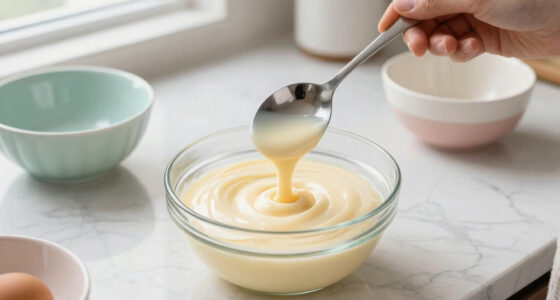
Use a consistent batter—aim for a thick, pourable texture that’s not too runny or stiff.
Fill cupcake liners about two-thirds full—this space is vital for a tall, rounded dome.
Preheat your oven thoroughly, and bake immediately after filling the liners to maximize oven spring.
Fresh leavening agents and correct measurements prevent flat or collapsing cupcakes.
Choose quality, even-heating pans like light-colored metal for the best rise and shape.
The Secret to Cupcakes That Rise With Perfect Domes
Bakery-style domes come from a controlled chain: accurate measurements, thick pourable batter, fresh leavening, a fully preheated 350°F oven, and liners filled about two-thirds full. The magic is small, repeatable precision.
Domes are built before the tray hits the oven.
The first minutes of baking create oven spring. If batter structure, fill level, and heat are aligned, the cupcake rises upward instead of spreading flat.
The Four Dome Levers
Perfect domes are less about one secret ingredient and more about balancing structure, gas, heat, and space. When one lever drifts, the cupcake usually tells you by flattening, cracking, or collapsing.
Precision Keeps Lift Light
Too much flour weighs batter down. Too little leavening starves the rise. Accurate measuring keeps the formula balanced enough to climb.
Stop Before Gluten Takes Over
Gentle mixing protects air bubbles and prevents toughness. Overmixing turns a tender dome into a dense, flat cap.
Two-Thirds Is the Sweet Spot
That empty top third gives batter room to expand upward without spilling over the rim or cracking at the edges.
The Dome Sequence
Move quickly once the batter is mixed. Fresh leavening begins working fast, and a fully hot oven turns that stored gas into vertical lift.
Preheat Fully
Confirm the oven is truly near 350°F before the pan goes in.
Mix Gently
Blend until smooth enough, then stop before the batter tightens.
Scoop Evenly
Use a scoop to fill each liner about two-thirds full.
Bake Immediately
Capture the strongest oven spring while leavening is active.
Flat vs. Domed Troubleshooting
Most cupcake problems trace back to one of four patterns. Use the table as a quick diagnostic when a batch comes out flat, cracked, or uneven.
| Variable | Flat Result | Dome-Friendly Fix | Signal |
|---|---|---|---|
| Oven temperature | Too cool means weak spring and slow structure setting. | Preheat thoroughly and verify 350°F with an oven thermometer. | ✓ HIGH IMPACT |
| Batter consistency | Too runny spreads; too stiff cannot expand cleanly. | Aim for thick, pourable batter that holds a soft ribbon. | ✓ HIGH IMPACT |
| Mixing time | Overmixing develops gluten and deflates trapped air. | Mix gently just until ingredients are combined. | ~ WATCH CLOSELY |
| Leavening age | Expired baking powder produces weak gas release. | Test in hot water; strong fizz means it is active. | ✗ COMMON FAIL |
| Liner fill | Underfilled stays short; overfilled spills or cracks. | Fill each liner about two-thirds full with a scoop. | ✓ EASY FIX |
Mixing Spectrum
Fill-Level Spectrum
Trace the Rise
A cupcake dome is a connected system: ingredients create bubbles, batter holds them, heat expands them, and the liner gives them room to climb.
Quick Answers
Use these fixes when your cupcakes refuse to dome or collapse after baking. The goal is steady lift without aggressive cracking.
Why do cupcakes bake flat?
Usually the oven is too cool, the batter was overmixed, the leavening is expired, or the liners were filled incorrectly.
How do I get taller domes?
Use fresh baking powder, fill liners two-thirds full, bake immediately, and avoid opening the oven door during the first 15 minutes.
Can ingredients help?
Cake flour can soften texture, while a small amount of vinegar or cream of tartar may help stabilize batter structure.
Which pan is best?
Light-colored metal pans heat evenly and support a cleaner rise than dark, heavy, or insulating pans.
How Proper Batter Consistency Shapes Your Cupcake Domes
The right batter consistency is like the perfect foundation for a house—if it’s off, the entire structure can be compromised. Why? Because batter consistency directly influences how well the cupcakes can trap and hold the gases produced during baking. A batter that’s too thick prevents expansion, resulting in dense, flat cupcakes, while a batter that’s too runny fails to support a stable rise, causing the cupcakes to spread out and flatten.
When I talk about achieving the right consistency, I mean one that’s thick enough to hold its shape but still fluid enough to incorporate air. This balance ensures that the batter can expand upward, forming a dome rather than spreading flat. Using the right amount of liquid helps control this, but overmixing is another critical factor. Overmixing develops gluten, which makes the batter tougher and less able to rise properly, leading to dense cupcakes. Gentle mixing preserves the air bubbles that act as leavening agents, giving your cupcakes the lift they need for a perfect dome.
Think of batter consistency as the blueprint for your cupcake’s structure. Small tweaks—like adjusting the liquid or mixing time—can significantly affect the final shape, so understanding why these details matter helps you troubleshoot and perfect your technique.
Products Worth Considering

Le Creuset Enameled Cast Iron Round Dutch Oven, 5.5 Qt, Flame

Cuisinart PerfecTemp Electric Kettle, 1.7 L, 1500 W, 6 Temperature Settings

Le Creuset Signature Enameled Cast Iron Round Dutch Oven, 5.5 qt, Deep Teal
As an affiliate, we earn on qualifying purchases.
Why Filling Cupcake Liners Two-Thirds Full Is the Secret
Filling liners about two-thirds full isn’t just a random rule; it’s a strategic choice rooted in the physics of baking. When filled correctly, the batter has enough space to expand and create a rounded, smooth dome that mimics bakery-quality cupcakes. Overfilling causes the batter to spill over the sides before setting, resulting in a flat or cracked top, which detracts from that desirable dome shape. Conversely, underfilling limits the rise and can produce a cupcake that looks more like a muffin with a flat top.
The reason two-thirds is optimal is because it balances the volume of batter with the oven’s capacity to produce a consistent rise. Using tools like an ice cream scoop helps achieve uniform portions, which is crucial because uneven filling results in inconsistent shapes—some cupcakes may dome perfectly while others remain flat. Leveling off the batter ensures that each cupcake has the same amount of air and batter, leading to uniform rising and a professional appearance.
Understanding this fill level helps you control the shape and height of your cupcakes, making your presentation more appealing and your baking more predictable. It’s about managing the tradeoff between enough batter to form a dome and preventing overflow or flatness—small adjustments here can dramatically improve your results.
The Impact of Oven Temperature on Cupcake Domes
Oven temperature plays a pivotal role in shaping your cupcakes’ final appearance, especially their domes. Baking at around 350°F (175°C) provides the ideal conditions for oven spring—the rapid expansion of the batter in the first few minutes of baking, which is crucial for forming a tall, rounded dome. If the oven is too cool, the gas bubbles and the batter’s rise are sluggish, resulting in a flatter top because the structure doesn’t set quickly enough to support a dome. On the other hand, if the oven is too hot, the outside can set too rapidly while the inside is still rising, causing uneven expansion and potential collapse or cracks.
Preheating your oven thoroughly ensures that the heat is evenly distributed from the moment you place your cupcakes inside. Using an oven thermometer is a game-changer because many home ovens have inaccurate temperature settings, which can subtly sabotage your rise. When I verified my oven hits exactly 350°F, I noticed a marked improvement in the uniformity and height of my cupcakes’ domes.
Starting the baking process immediately after placing the batter in the oven preserves that initial burst of heat—crucial for oven spring. This swift rise forms the foundation of a perfect dome, and neglecting this step often results in flat or uneven cupcakes.
How Leavening Agents Make or Break Your Cupcake Rise
Leavening agents like baking powder and baking soda are the engines that produce the carbon dioxide gas necessary for cupcakes to rise and form that beautiful dome. But their effectiveness hinges on freshness and proper measurement. Expired leavening agents lose their ability to generate gas, which directly results in flatter cupcakes because the batter can’t expand sufficiently. This is why using fresh, high-quality leavening is critical—not just for rise but also for consistent texture and appearance.
For example, baking powder’s potency diminishes over time, and even a small reduction can mean the difference between a cupcake with a tall, rounded dome and one that’s flat or sunken. Testing your baking powder by adding a teaspoon to hot water—if it fizzes vigorously, it’s active—can save you from disappointment. Similarly, measuring accurately ensures the right amount of gas is produced; too much causes cracking or overexpansion, while too little results in dense, flat cupcakes.
Understanding the tradeoffs—such as risking cracks with excess leavening or flatness with too little—helps you fine-tune your recipe. Always check expiration dates and measure carefully to maintain control over the rise and final shape of your cupcakes.
Frequently Asked Questions
Why do my cupcakes not dome properly?
Common reasons include oven temperature that’s too low, overmixing batter, using expired leavening, or overfilling liners. Addressing these issues boosts your chances of a tall, rounded dome.How can I make taller, more domed cupcakes?
Ensure your oven is preheated to 350°F, fill liners about two-thirds full, and use fresh baking powder or baking soda. Gentle mixing and quick baking help too.What’s the best way to fill cupcake liners?
Use about two-thirds full—this gives the batter room to rise into a dome without spilling over. An ice cream scoop makes this easy and consistent.Can I make cupcakes rise higher without an oven spring?
Maximize oven spring by starting with a hot oven, using fresh leavening, and ensuring batter is just right. These steps help lift your cupcakes into perfect domes.Are there ingredients that help with doming?
Adding a splash of vinegar or cream of tartar can stabilize the batter, plus using cake flour can improve texture and help produce a better rise.Conclusion
Perfect domed cupcakes come down to understanding how each step influences rise. Small tweaks—like measuring carefully, filling liners right, and controlling oven heat—make a noticeable difference. Your best batch of cupcakes is just a few precise moves away.
Next time you bake, focus on these details. That beautiful, bakery-style dome will be your signature—delicious and perfectly shaped every time.