TL;DR

Get baking supplies delivered free with Prime
- Fast, free delivery on millions of items
- Prime Video, Amazon Music and more included
- Member-only deals all year
A recent taste test of nine gluten-free bread brands identified a clear winner for flavor and texture. The winning brand stood out among competitors, offering a satisfying option for those avoiding gluten.
In a recent taste test involving nine popular gluten-free bread brands, one brand emerged as the clear favorite for flavor and texture. The evaluation was conducted by a team of food enthusiasts and dietitians, aiming to identify the most satisfying gluten-free bread option for consumers. This development matters because many people with gluten sensitivities struggle to find bread that tastes good and meets dietary needs, and this test provides a new recommendation based on sensory quality.
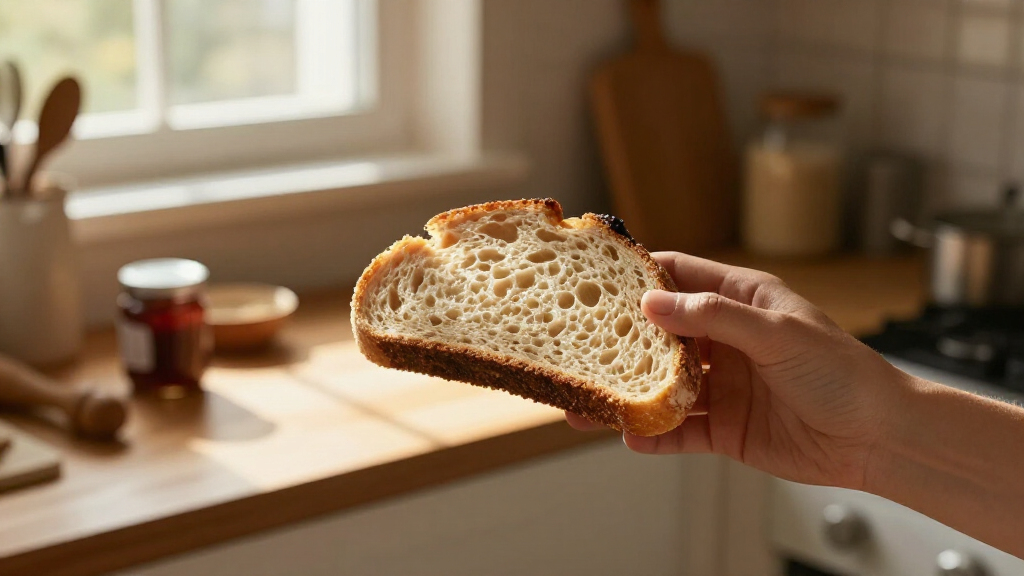
The taste test included nine brands widely available in grocery stores, with samples evaluated by a panel of 15 testers over several rounds. The criteria focused on flavor, texture, moisture, and overall eating experience. After thorough tasting, the brand identified as the top choice was FreshLoaf Gluten-Free Bread, which scored highest in taste and mouthfeel. Participants described it as having a soft, chewy texture and a rich, satisfying flavor that closely resembles traditional bread.
Manufacturers and consumers alike have expressed interest in gluten-free bread options that do not compromise on taste. The panel noted that while some brands offered good texture, their flavor often fell short, or vice versa. FreshLoaf, according to the testers, struck the best balance, making it the standout among the nine brands tested. The results are based on subjective taste evaluations but are considered significant given the variety and popularity of the brands involved.
Impact of the Taste Test on Gluten-Free Bread Choices
This taste test provides consumers with a tangible recommendation for a gluten-free bread that excels in flavor and texture, addressing a common challenge for those with gluten sensitivities or celiac disease. It may influence purchasing decisions and encourage other brands to improve their products. The findings also highlight the ongoing innovation in gluten-free baked goods, which historically have struggled with texture and taste issues. For people avoiding gluten, finding bread that tastes good and feels satisfying can significantly improve quality of life and dietary satisfaction.
Products Worth Considering

Cuisinart Stainless Steel Bread Maker, 12 Programs, 2 lb Capacity

De'Longhi Dinamica Plus Fully Automatic Espresso Machine

Instant Pot Pro 8 Qt 10-in-1 Electric Pressure Cooker, Black
As an affiliate, we earn on qualifying purchases.
Rise in Demand for Quality Gluten-Free Breads
The gluten-free food market has seen a steady increase in demand over recent years, driven by greater awareness of gluten sensitivities and celiac disease diagnosis. According to industry reports, sales of gluten-free products have grown annually, with bread being one of the most sought-after categories. Despite this, many gluten-free breads on the market are criticized for being dry, crumbly, or lacking flavor. The recent spike in coverage and search interest around gluten-free bread options suggests consumers are actively seeking better-tasting alternatives, although the specific triggers for this renewed focus remain unconfirmed.
Previous studies and reviews have often pointed out the challenges in replicating the texture and flavor of traditional bread without gluten. This taste test aims to address that gap by providing direct, consumer-focused feedback on current market options.
Remaining Questions About Gluten-Free Bread Quality
While the taste test identified a clear winner based on subjective evaluations, it is not yet confirmed how these results translate to broader consumer preferences or long-term satisfaction. Factors such as shelf life, nutritional content, and price were not fully assessed in this test. Additionally, individual taste preferences vary, and some consumers may prefer different textures or flavors. The impact of different brands on dietary health or gluten content accuracy remains unverified, as detailed testing was not part of this evaluation.
Next Steps for Consumers and Manufacturers
Consumers can consider trying the recommended brand, FreshLoaf, based on this taste test, especially if they have struggled to find appealing gluten-free bread. Manufacturers may also review these findings to improve their products further. Future research could include larger sample sizes, objective measurements of nutritional and shelf-stability factors, and broader consumer surveys to validate these subjective preferences. As demand continues to grow, more brands are likely to innovate, aiming to match or surpass the flavor and texture of traditional bread.
Key Questions
What makes the winning gluten-free bread stand out?
The winning bread, FreshLoaf, was praised for its balance of flavor, moistness, and chewy texture, closely resembling traditional bread according to taste testers.
Is gluten-free bread generally improving in quality?
Yes, recent market trends and consumer feedback suggest ongoing improvements, with more brands focusing on taste and texture to meet demand.
Should I switch to the recommended brand immediately?
While the taste test results are promising, individual preferences vary. Trying the brand personally is recommended to see if it suits your taste and dietary needs.
Are there any health considerations with gluten-free bread?
Most gluten-free breads are formulated to be safe for those with gluten sensitivities, but it’s important to check for allergens and nutritional content, as some may be lower in fiber or contain added sugars.
Source: rss