
TL;DR

Get baking supplies delivered free — and shop member deals
- Fast, free delivery on millions of items
- Access to Prime Big Deal Days deals on October 6–7
- Prime Video, Amazon Music and more included
Pre-ferments such as poolish, biga, and sponge enhance bread flavor, texture, and shelf life. Each has unique hydration levels and fermentation times, shaping the final loaf differently. Using them correctly can elevate your baking from good to bakery-quality.
Ever wonder why some homemade breads taste like a bakery’s best? The secret often lies in the tiny, slow magic of pre-ferments. These starter-like mixtures kickstart fermentation, building flavor and texture before the main dough even begins. Whether you call it poolish, biga, or sponge, understanding their differences can turn your baking into a true craft.
If you’ve ever felt your bread lacked depth or stayed dense, adding a pre-ferment might be your game-changer. It’s not about extra effort—think of it as giving your dough a head start. This guide will break down what each pre-ferment is, how they’re used, and recent trends that make them more accessible than ever.
Pre-ferments like poolish, biga, and sponge each have unique hydration levels and fermentation times, shaping their flavor and texture contributions.
Using pre-ferments boosts bread flavor by up to 50%, creating aroma-rich, complex loaves that stay fresh longer.
Adjust fermentation based on your schedule—longer times deepen flavor, but even quick sponge methods can add significant taste.
Modern tools and hybrid techniques are making pre-ferments more accessible and customizable for home bakers.
Experimenting with different pre-ferments allows you to craft loaves with professional depth and character, right in your own kitchen.
What Exactly Are Poolish, Biga, and Sponge? Here’s the Simple Breakdown
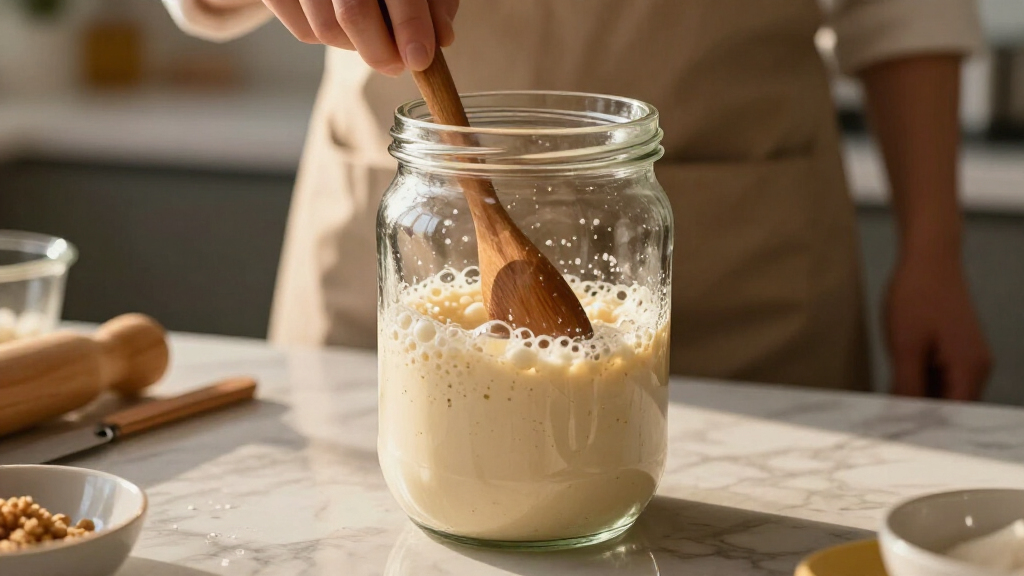
Think of pre-ferments as the flavor-building foundation of good bread. Poolish is a French technique—an equal parts mix of flour and water with a pinch of yeast, left to bubble at room temperature for 12–16 hours. It’s like a bubbly batter that adds a mild, nutty aroma and improves crumb structure. This process allows enzymes to start breaking down starches and proteins early, which enhances gluten development and flavor complexity in the final loaf.
Biga is Italian-born, usually stiffer—about 50–60% hydration—and ferments for the same amount of time. Its denser texture promotes the development of a more robust gluten network, leading to a bread with a chewier crumb and a richer, more complex flavor profile. The longer, slower fermentation also encourages the production of organic acids, which contribute to a subtle tang and improved shelf life.
Sponge is a more flexible term. It can resemble either poolish or biga, depending on regional recipes or personal style. The main idea? It’s a pre-dough mixture used to jumpstart fermentation and flavor development. The choice between a sponge, poolish, or biga depends on the desired flavor intensity, dough handling characteristics, and timing constraints. These pre-ferments influence not only taste but also the texture and structure of the finished bread, making them powerful tools for bakers aiming for specific results.
Understanding these differences helps you choose the right tool for your bread goals—more flavor, better texture, or both—and allows you to tailor your process to fit your schedule and taste preferences.
As an affiliate, we earn on qualifying purchases.
Why Using a Pre-Ferment Changes Your Bread’s Flavor and Texture
Pre-ferments are like flavor boosters for your bread. They allow yeast and enzymes to work slowly, developing complex aromas and a slightly tangy, sour note—think of the difference between a quick sandwich bread and a crusty baguette. This slow fermentation process enables the breakdown of starches into simpler sugars, which not only enhances flavor but also provides more food for the yeast, resulting in a better rise and open crumb.
Imagine slicing into a loaf where the crust crackles, and the crumb is airy yet chewy. That’s the magic of a pre-ferment. The extended fermentation also promotes the formation of organic acids and alcohols, which contribute to a richer flavor profile and a more complex aroma. These compounds also act as natural preservatives, helping the bread stay fresher longer. This is especially valuable for home bakers who want to replicate bakery-quality results without preservatives.
Plus, pre-ferments strengthen dough, making it easier to shape and less prone to collapsing during baking. They improve gluten development early on, which results in a more resilient dough structure. This means less tearing and a more uniform crumb, with better oven spring. Essentially, pre-ferments serve as a foundation that influences every stage of baking, from fermentation to final texture, leading to a more professional and satisfying loaf.
As an affiliate, we earn on qualifying purchases.
How to Make and Use Each Pre-Ferment: Step-by-Step Guide
- Poolish: Mix 100g flour, 100g water, 0.1g yeast. Cover and ferment at room temp for 12–16 hours. Use in dough for a mild, open crumb loaf. The high hydration promotes bubbly fermentation, resulting in a light and airy texture.
- Biga: Mix 150g flour, 75g water, 0.2g yeast. Let ferment for 12–16 hours. Incorporate into bread for richer flavor and denser texture. The stiffer dough fosters a stronger gluten network, which provides better structure and chewiness.
- Sponge: Varies—combine flour, water, and yeast based on recipe. Ferment 8–12 hours. Use for a quick flavor boost or complex profile. The flexibility in hydration and fermentation time allows for tailoring to specific recipes and timing needs.
For example, you might prepare a biga on a Saturday night, then add it to your dough the next morning. This slow fermentation deepens the flavor and gives your bread a rustic, artisan touch. Understanding the implications of fermentation time and hydration helps you adjust your process for optimal results and flavor development.
bread baking tools with pre-ferment recipes
As an affiliate, we earn on qualifying purchases.
As an affiliate, we earn on qualifying purchases.
Pre-Ferments Compared: Which One Fits Your Baking Style?
| Feature | Poolish | Biga | Sponge |
|---|---|---|---|
| Origin | French | Italian | Regional/Variable |
| Hydration | 100% | 50–60% | Varies |
| Texture | Bubbly batter | Stiffer dough | Depends |
| Fermentation Time | 12–16 hrs | 12–16 hrs | 8–12 hrs |
| Flavor Profile | Light, nutty | Rich, nutty, sour | Flexible |
If you want a quick, mild flavor, go for poolish. For a deeper, nuttier taste, biga is your best choice. Sponge offers versatility for different recipes and timing needs, allowing you to adapt based on the flavor profile and texture you desire. The key tradeoff involves hydration and fermentation time: higher hydration yields lighter, more open crumb, while stiffer pre-ferments develop stronger gluten and richer flavors, but require more handling.
professional bread proofing basket
As an affiliate, we earn on qualifying purchases.
As an affiliate, we earn on qualifying purchases.
Latest Trends: How Today’s Bakers Are Reinventing Pre-Ferments
Modern bakers are blending tradition with innovation. Many combine poolish or biga with sourdough starters, creating hybrid pre-ferments that pack flavor without long waits. This approach mimics sourdough’s complexity but keeps the process manageable by shortening fermentation times and reducing starter maintenance. These hybrids often yield bread with a complex aroma and tang, while maintaining the convenience of commercial yeast-based pre-ferments.
Plus, smarter tools like digital scales and fermentation boxes let bakers control temperature and timing precisely. This precision means consistent results, even when experimenting with longer or shorter fermentation times. It also opens the door for more nuanced flavor development, as temperature control influences enzymatic activity and yeast behavior.
Health-conscious bakers also appreciate how extended fermentation can boost nutrient availability and digestibility. It’s not just about flavor—pre-ferments contribute to better bread for your gut by breaking down phytates and enhancing mineral absorption. These innovations make pre-ferments more accessible, health-friendly, and customizable for a wide range of baking styles.
Quick Facts About Pre-Ferments You Need to Know
- Hydration levels: Poolish is typically 100%, biga around 50–60%, influencing handling and final crumb. Higher hydration produces lighter, more open textures, while lower hydration results in a denser crumb with more chew.
- Yeast use: Less yeast in pre-ferments means slower fermentation, which allows enzymes to develop flavor and gluten structure more thoroughly—leading to a more complex and resilient dough.
- Fermentation timing: Usually 12–16 hours, but can be extended for deeper flavor. Longer fermentation also increases organic acid production, which enhances taste and preserves the bread naturally.
- Refrigeration: Many bakers refrigerate pre-ferments after initial fermentation to slow activity, allowing more flavor development over time without overproofing the dough.
Your Most Common Questions About Pre-Ferments—Answered
Q: Can I swap one pre-ferment for another? Yes, but be aware that each type brings its own flavor profile and handling characteristics. Adjust hydration levels and fermentation times accordingly; for example, replacing biga with poolish may require more water and a shorter fermentation to avoid overly wet dough.
Q: How long should I ferment a pre-ferment? Typically 12–16 hours at room temperature, which balances flavor development and activity. Extending fermentation beyond this can deepen flavors but might require recipe adjustments to prevent over-acidification or dough weakening.
Q: Do pre-ferments need refrigeration? Not always, but refrigeration is a useful tool for controlling fermentation pace, especially if you want to develop flavors gradually or plan to bake over multiple days. It also helps in managing dough temperature, which impacts yeast activity.
Q: Are pre-ferments necessary for good bread? Not strictly, but they significantly boost flavor, texture, and shelf life—especially in artisan baking where depth and complexity are prized.
Q: How do pre-ferments affect baking time? They can extend fermentation, but often shorten proofing times because the dough is better developed. This results in more reliable oven spring and flavor, making the process more predictable and consistent.
Conclusion
Pre-ferments are simple tools that unlock a world of depth in your bread. Whether you prefer the bubbly mildness of poolish, the nutty strength of biga, or the versatility of sponge, mastering these starters transforms your baking from basic to artisan.
Next time you bake, try incorporating one. Your taste buds—and your bread’s crumb—will thank you. The secret to bakery-quality loaves is just a pre-ferment away—don’t be afraid to experiment and find what makes your bread truly shine.
Evergreen bestsellers Picks
bestsellers
As an affiliate, we earn on qualifying purchases.
![Dove Mangiare A Milano: Le Nuove Aperture [In Aggiornamento]](https://aromashealthybake.com/wp-content/uploads/2026/09/dove-mangiare-a-milano-le-nuove-aperture-in-aggiornamento-featured-260x140.jpg)