
TL;DR

Get baking supplies delivered free — and shop member deals
- Fast, free delivery on millions of items
- Access to Prime Big Deal Days deals on October 6–7
- Prime Video, Amazon Music and more included
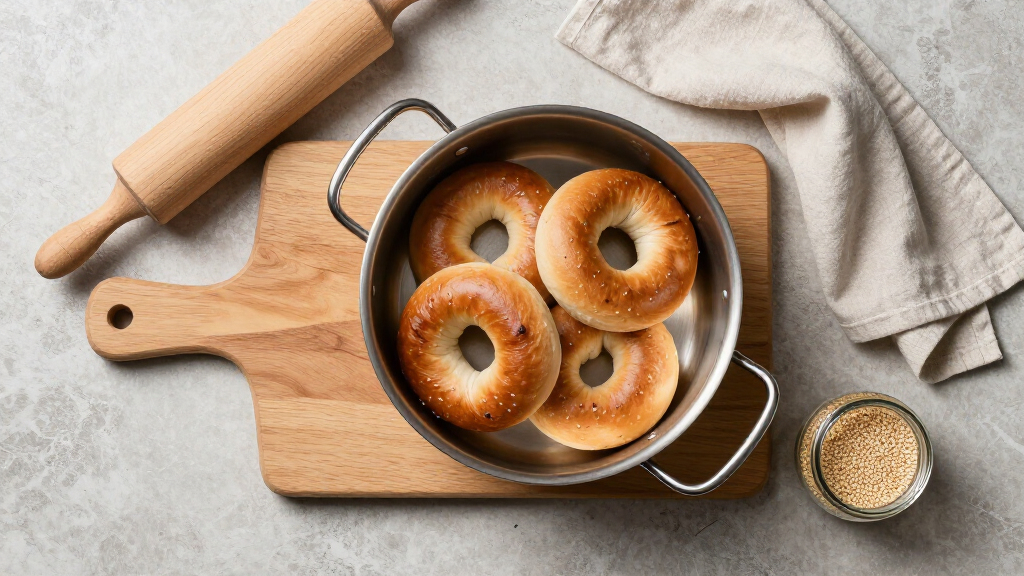
Boiling before baking is vital for authentic bagels. It develops the crust, enhances chewiness, and adds flavor, setting bagels apart from other bread products. Skipping it changes the texture and appearance drastically.
Boiling creates a gelatinized crust that traps moisture, giving bagels their signature chewiness and shine.
The timing of boiling (30 seconds to 2 minutes per side) directly influences crust thickness and texture.
Adding ingredients like malt, honey, or baking soda to boiling water affects flavor, color, and crust appearance.
Skipping boiling results in a softer, bread-like bagel lacking the traditional chew and crust.
Experimenting with natural or healthier boiling liquids can personalize your bagels without sacrificing quality.
The Bagel Secret: Why You Have to Boil Before You Bake
That glossy shell and dense, satisfying chew are not created by the oven alone. Boiling transforms the dough’s surface before baking begins—setting its shape, trapping moisture, and preparing it for deep browning.
The transformation happens at the surface
Hot water turns the outermost layer of dough into a pre-set shell. That thin barrier changes how the bagel holds moisture, expands, browns, and feels when you bite through it.
Starch swells and sets
Surface starches absorb water and gelatinize. The resulting layer firms the exterior, limits spreading, and helps the ring retain its compact shape in the oven.
A barrier locks it in
The set surface slows moisture loss from the interior. The crumb stays dense and pleasantly chewy instead of becoming airy and roll-like.
The crust is primed
Malt, honey, or alkaline water changes the surface chemistry. In the oven, those sugars and proteins brown more readily, building aroma, color, and gloss.
Every extra second builds more crust
Boiling duration is a texture control. Shorter times preserve softness; longer times produce a thicker shell and stronger chew. The right point depends on hydration, oven heat, and personal preference.
One pot, four different crusts
Additives tune the surface rather than replace the boil. Sweeteners encourage color and aroma; alkaline ingredients intensify browning and create a more assertive shell.
| Ingredient | Flavor impact | Crust color | Best suited to |
|---|---|---|---|
| Malted water | Rich, gently sweet, traditionally complex | Deep golden + glossy | Classic deli-style character |
| Honey | Subtle sweetness with floral notes | Golden to deeper gold | Aromatic home-baked bagels |
| Baking soda | Mostly neutral; sharper crust character | Deep amber to brown | Darker American-style crusts |
| Lye | Distinctive, assertive traditional profile | Dark, smooth, highly shiny | Experienced bakers using strict safety practices |
The concentration, dough formula, and oven temperature also influence the final color.
Traditional depth
Choose malt for a rounded sweetness and recognizably classic finish.
Natural sweetness
Use honey or maple syrup for gentle aroma and a warm golden crust.
Darker browning
Baking soda raises alkalinity and encourages a deeper oven color.
Creative variation
Tea or beer can add nuance, but timing and surface-setting still matter most.
Boiled bagel or baked bread ring?
The same dough can become two very different products. Boiling creates the barrier that makes a bagel compact, glossy, and resilient; skipping it leaves the oven to expand and dry the surface like ordinary bread.
unmistakably a bagel
Firm, shiny crust. Dense but moist crumb. Controlled rise. A substantial bite with the characteristic pull and chew associated with traditional bagels.
closer to a bread roll
Softer and paler exterior. More expansion. A lighter, bread-like interior with less shine, less resistance, and a weaker contrast between crust and crumb.
Gelatinized starch creates the moisture-holding shell.
Longer boiling generally means a thicker, chewier crust.
Malt, honey, soda, and lye alter flavor and browning.
Skipping the bath produces a softer, bread-like result.
Experiment with timing and natural sweeteners to make it yours.
Why Boiling Is the Secret to That Perfect Bagel Bite
Boiling isn’t just a step — it’s the defining moment that turns plain dough into a bagel. When you submerge the dough in hot water, the surface starches swell, forming a gelatinous barrier. This barrier traps moisture inside and creates that characteristic dense, chewy texture. Beyond texture, this gelatinized crust acts as a barrier that prevents excessive expansion during baking, helping the bagel maintain its shape and density. The caramelization of surface sugars during boiling also influences the crust’s color and flavor, imparting a subtle sweetness and complexity. Without boiling, the dough would lack this critical structure, resulting in a softer, less substantial bagel that doesn’t have the signature bite or shiny crust. Think of boiling as setting the shape and texture, much like a mold that makes the final product unmistakably a bagel. This step is essential because it directly impacts the final texture, appearance, and flavor profile, making it a non-negotiable in authentic bagel baking.
As an affiliate, we earn on qualifying purchases.
What Actually Changes When You Boil Bagels? The Science Made Simple
During boiling, several interconnected chemical and physical processes occur that are crucial for achieving the classic bagel texture. First, surface starches absorb water and swell—a process called gelatinization—which creates a firm, cohesive shell that encases the interior, preventing it from spreading too much during baking. This gelatinized layer contributes to the bagel’s dense, chewy bite. Second, the high temperature during boiling activates the Maillard reaction, a chemical process where amino acids and sugars react, leading to browning and flavor development. This reaction is responsible for the rich, golden crust and complex aroma. Third, boiling causes surface sugars and proteins to caramelize, adding depth to flavor and a shiny appearance. Additionally, the rapid moisture loss from the surface during boiling helps the crust form quickly in the oven, which is vital for the bagel’s distinctive shine and texture. These changes are not just superficial; they fundamentally alter the dough’s structure and flavor, making boiling an indispensable step for authentic bagels. Skipping or shortening this process results in a softer, less flavorful bagel that lacks the characteristic crust and chew, illustrating how chemistry underpins traditional baking techniques.
As an affiliate, we earn on qualifying purchases.
How Long Should You Boil Your Bagels? The Perfect Timing Guide
Boiling times are more than just a matter of minutes; they influence the final bagel’s crust thickness, chewiness, and appearance. A shorter boil, around 30 seconds per side, yields a lighter crust and a softer bite, ideal for those seeking a less dense texture. Conversely, extending boiling to 1.5 to 2 minutes per side allows the surface starches to gelatinize more thoroughly, resulting in a thicker, chewier crust and a more pronounced shine. However, boiling for too long can have tradeoffs: over-boiling may make the crust excessively tough or cause the bagel to become overly dense, while under-boiling can lead to a pale, soft crust that lacks that signature bagel snap. The key is balancing time with your desired outcome. For example, a bakery might standardize at 45 seconds per side to produce a consistent, shiny, chewy bagel. Adjustments depend on factors like dough hydration, oven temperature, and personal preference. The goal is to find that sweet spot where the crust is just firm enough, and the interior remains dense and chewy, which is why experimenting with timing is essential for perfect results.
As an affiliate, we earn on qualifying purchases.
Comparison Table: Boiling Ingredients and Their Effects
| Ingredient | Flavor Impact | Crust Color | Typical Use |
|---|---|---|---|
| Malted water | Rich, slightly sweet, enhances traditional flavor complexity | Deep golden, with a glossy shine | Traditional bagels emphasizing classic taste |
| Honey | Subtle sweetness with floral notes | Golden to darker shades depending on concentration | Alternative flavor, adds aroma and sweetness |
| Baking soda | Neutral, but enhances browning and crust development | Deep amber to brown | Common in American recipes for a darker crust |
| Lye | Strong, pungent flavor, imparts a distinctive taste | Dark, shiny crust with a deep hue | Authentic Jewish bagels with traditional flavor |
As an affiliate, we earn on qualifying purchases.
Can You Skip Boiling? What Happens If You Do?
Skipping boiling fundamentally alters the structure and character of your bagels. Without this step, the dough won’t develop the gelatinized crust that traps moisture and provides the dense, chewy bite characteristic of authentic bagels. Instead, the result will resemble a softer, bread-like roll—pale, with a fragile crust and lacking the shine and firmness that define a proper bagel. This is because boiling sets the surface starches and proteins, creating a barrier that prevents the bagel from expanding too much and ensures a tight crumb. Without it, the dough can spread out and lose its shape during baking, leading to a flatter, less appealing final product. While some home bakers experiment with baking without boiling, they often sacrifice the signature texture and appearance that make bagels unique. Essentially, skipping this step means missing the opportunity to create the complex crust and dense chew that distinguish a true bagel from ordinary bread, making boiling an unavoidable step for authenticity.
Healthy Tweaks: Making the Boiling Step Your Own
While traditional boiling often involves malt syrup or lye, experimenting with healthier or more natural alternatives can still produce excellent results. Incorporating a teaspoon of honey or a splash of maple syrup into the boiling water introduces subtle sweetness and helps develop a beautiful crust without relying on harsh chemicals. These natural options can also impart nuanced flavors, such as floral or caramel notes, enhancing the complexity of your bagels. However, it’s important to understand that these modifications may influence the crust’s color and texture—honey, for instance, can lead to a softer, more golden crust with a delicate aroma, while maple syrup adds a richer, slightly darker hue. The tradeoff is that natural sweeteners may slightly alter the traditional flavor profile, but they also allow for healthier, more personalized bagels. Experimenting with these ingredients encourages creativity and can help you discover a balance that maintains the integrity of the classic bagel while aligning with your dietary preferences or flavor goals.
Frequently Asked Questions
Why is boiling necessary for making authentic bagels?
Boiling develops the crust, enhances chewiness, and creates the shiny, golden exterior that defines a true bagel. It sets the shape and texture before baking.Can I make good bagels without boiling?
While possible, they won’t have the dense chewiness or shiny crust of authentic bagels. They’ll resemble soft rolls instead.How long should I boil my bagels?
Most recipes recommend 30 seconds to 1 minute per side for a chewy crust, extending to about 2 minutes if you want extra firmness.What liquids can I use in boiling water?
Malted water, honey, baking soda, or lye are common. Each one impacts flavor, crust color, and browning differently, allowing bakers to customize the final taste and appearance of their bagels.Can I skip the boiling step if I want a softer bagel?
Yes, but skipping boiling results in a softer, bread-like bagel without the signature crust and chewiness. It sacrifices the structural and textural qualities that define an authentic bagel.Conclusion
Mastering the boiling step turns a simple dough into a true bagel. It’s the secret that unlocks that perfect crust, chewy bite, and shiny finish. Next time you bake, remember: a brief dip in hot water is what makes a bagel a bagel. That quick, bubbling bath is what elevates your baking from good to legendary.Fall Picks
fall essentials
As an affiliate, we earn on qualifying purchases.