
TL;DR

Get baking supplies delivered free — and shop member deals
- Fast, free delivery on millions of items
- Access to Prime Big Deal Days deals on October 6–7
- Prime Video, Amazon Music and more included
Interest in making Sicilian busiate pasta at home is rising, driven by food enthusiasts seeking authentic recipes. This article provides a detailed, step-by-step guide to prepare busiate from scratch, including dough preparation, shaping, and cooking tips.
Amid growing interest in traditional Italian pasta recipes, a surge in searches for how to make busiate siciliane has been observed. This article provides a comprehensive, step-by-step guide on how to prepare this distinctive Sicilian pasta at home, covering all essential phases from dough to shaping, to meet the rising curiosity of food lovers and home cooks.
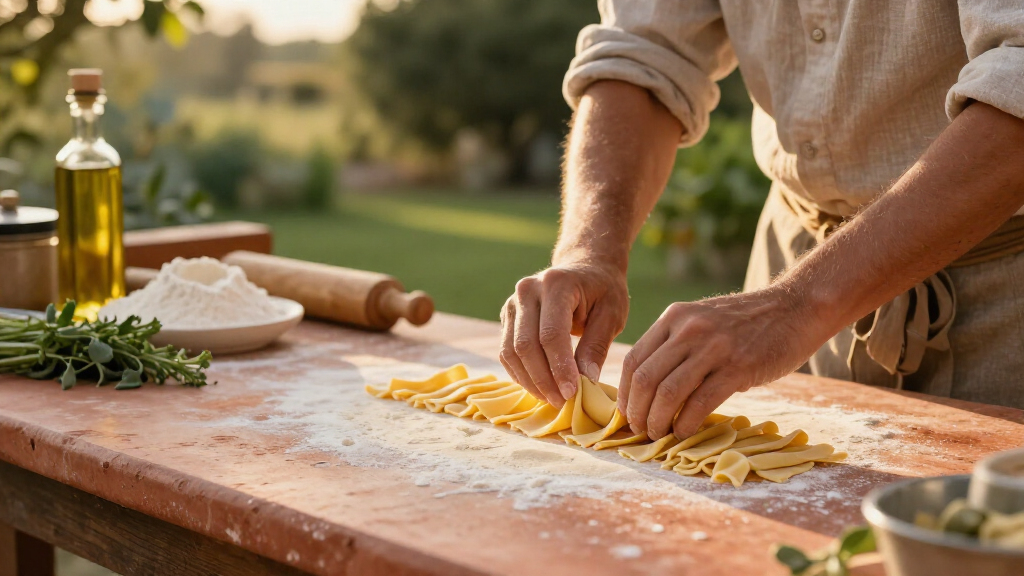
The process of making busiate siciliane involves preparing a simple dough using durum wheat semolina flour, water, and a pinch of salt. The dough is kneaded until smooth and then rested for at least 30 minutes to develop elasticity. After resting, the dough is rolled into a thin sheet and cut into strips. The characteristic shape is achieved by wrapping these strips around a thin rod or a special tool called a ‘busiatore,’ then twisting and pressing to form the spiral shape. Once shaped, the pasta is boiled in salted water until al dente, typically around 8 to 10 minutes, and then served with traditional Sicilian sauces such as pesto alla trapanese or tomato-based condiments.
According to culinary sources, the key to authentic busiate lies in the shape and texture, which hold sauces well and offer a unique bite. While many home cooks may use makeshift tools, traditional methods involve using a thin stick or a metal skewer to achieve the spiral. The entire process, from dough to plate, can be completed in about an hour, making it accessible for home preparation with patience and attention to detail.
Why Making Busiate at Home Matters
The rising interest in homemade Sicilian pasta reflects a broader trend toward authentic, artisanal food preparation. Learning to make busiate allows home cooks to connect with Sicilian culinary traditions, offering a sense of cultural immersion and culinary skill development. It also provides an alternative to store-bought pasta, which may contain preservatives or additives, emphasizing fresh, natural ingredients. As food enthusiasts seek more sustainable and personalized cooking experiences, mastering traditional pasta shapes like busiate enhances culinary versatility and appreciation for regional Italian cuisine.
As an affiliate, we earn on qualifying purchases.
Historical and Cultural Background of Busiate
Busiate is a traditional pasta originating from Sicily, historically made by hand in rural households. Its distinctive spiral shape is designed to hold thick sauces, typical of Sicilian cuisine. While commercial versions are now available, making busiate at home remains a cherished craft among culinary enthusiasts. The recent spike in online searches appears to be linked to a broader interest in Italian regional dishes, possibly fueled by food media and social media sharing recipes and tutorials. There is no official source confirming a specific event triggering this trend, but the pattern suggests a growing desire for authentic, homemade pasta experiences.
As an affiliate, we earn on qualifying purchases.
Unconfirmed Factors Behind the Trend Spike
It is not yet clear what specific event or media exposure has triggered the recent surge in interest in making busiate at home. The trend appears to be organic, driven by online searches and social media sharing, but no definitive source or campaign has been identified as the catalyst. Further data is needed to confirm the precise reasons behind the spike in demand.As an affiliate, we earn on qualifying purchases.
Next Steps for Enthusiasts and Food Media
As interest continues to grow, culinary content creators and food educators are likely to produce more detailed tutorials and videos on making busiate and other regional pasta shapes. Additionally, local Italian chefs and food bloggers may organize workshops or online classes to teach the technique more widely. For home cooks, experimenting with different sauces and shaping tools will be the next step in mastering this traditional pasta. Monitoring search trends and social media engagement will help gauge the sustained popularity of busiate making in the coming months.
As an affiliate, we earn on qualifying purchases.
Key Questions
What ingredients are needed to make authentic busiate?
Basic ingredients include durum wheat semolina flour, water, and a pinch of salt. Some recipes may include a small amount of olive oil, but traditional versions rely on just flour and water.
How long does it take to make busiate from start to finish?
The entire process typically takes about 1 hour, including dough preparation, resting, shaping, and cooking.
Can I use regular wheat flour instead of semolina?
While semolina is preferred for its texture and authenticity, some home cooks use a mix of semolina and all-purpose flour. Pure wheat flour may result in a softer pasta that doesn’t hold the shape as well.
What sauces are best paired with busiate?
Traditional Sicilian sauces such as pesto alla trapanese, tomato-based sauces, or almond-based condiments complement busiate well, thanks to its spiral shape that holds thick sauces effectively.
Are there specific tools needed to shape busiate?
Traditionally, a thin stick, metal skewer, or busiatore is used. However, some home cooks shape the pasta by hand or with a small rolling pin if specialized tools are unavailable.
Source: rss
Evergreen bestsellers Picks
bestsellers
As an affiliate, we earn on qualifying purchases.