
TL;DR
Bread stales mainly because of starch retrogradation and moisture loss. Freezing halts this process, while proper storage and reheating can extend freshness and enjoyment.
Ever wondered why your homemade loaf feels perfectly soft on the first day but turns crumbly and dry after just two? It’s not just in your head—bread actually goes through a scientific process called staling. Understanding what causes this can help you keep your bread fresher, longer.
In this guide, you’ll learn what happens at the molecular level when bread stales, how different storage methods impact this process, and simple tricks to slow down the inevitable. Armed with this knowledge, you can enjoy your bread at its best — whether it’s a fresh baguette or a hearty multigrain loaf.
Starch retrogradation is the main cause of bread going stale, and it’s accelerated by temperature and moisture loss.
Freezing bread immediately after baking preserves its texture for months, especially when sliced and wrapped properly.
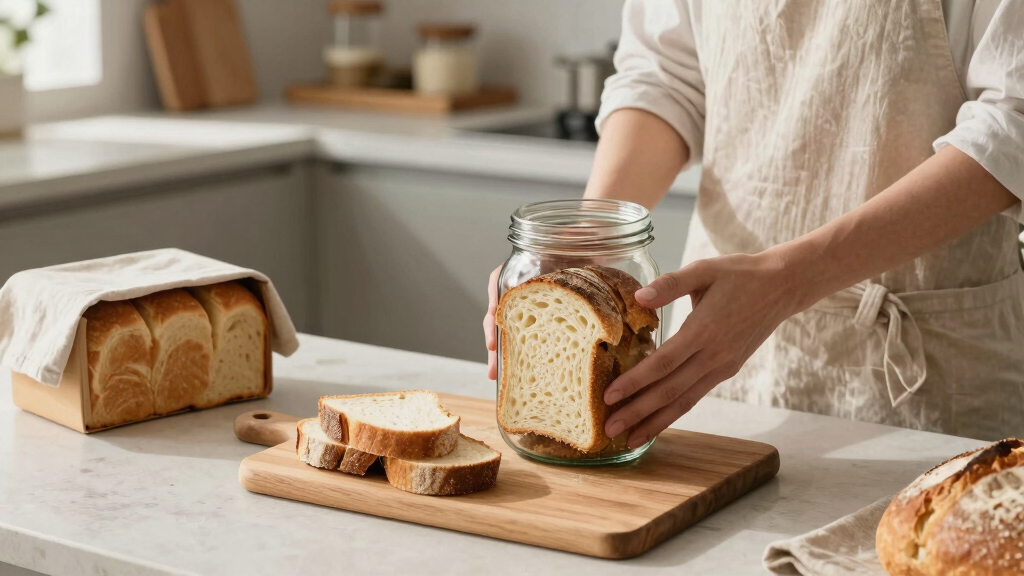
Proper storage—like using paper bags or breathable containers—slows moisture migration and delays staling.
Adding fats, emulsifiers, or sourdough starter can naturally help keep bread softer longer without preservatives.
Reheating in an oven is the best way to temporarily revive stale bread’s texture and flavor.
What exactly causes bread to go stale so fast?
When bread cools after baking, its starch molecules start to change. During baking, starch gelatinizes—meaning it absorbs water and swells. Once cooled, these starches begin to recrystallize in a process called retrogradation, squeezing out water and making the bread firm and dry. This is the main reason bread loses its soft, tender texture.
Imagine a freshly baked loaf: the crust crackles, the crumb is moist and springy. But after a day or two at room temperature, it turns dense, dry, and crumbly. That’s starch molecules re-aligning and expelling water, a natural, unavoidable process.

Tiawudi 2 Pack Bread Box, Plastic Bread Container, Bread Storage for Kitchen Counter, Bread Keeper with Airtight Lid, Tall Bread Saver, Sandwich Bread Holder, 5.6 Qt / 5.3L Each
Food Grade Material & BPA Free – We are serious about your health. Our bread box is made…
As an affiliate, we earn on qualifying purchases.
As an affiliate, we earn on qualifying purchases.
How moisture loss speeds up bread staling — and how to stop it
Moisture migration is a key player in bread staling. When moisture escapes or redistributes unevenly, the bread becomes drier and more crumbly. This often happens when bread is left exposed or stored in overly dry environments.
To slow moisture loss, keep bread in a paper bag or bread box, which balances moisture exchange without trapping too much humidity. For longer storage, freeze your bread. Wrapping it tightly in plastic before freezing prevents moisture from escaping and halts the staling process.
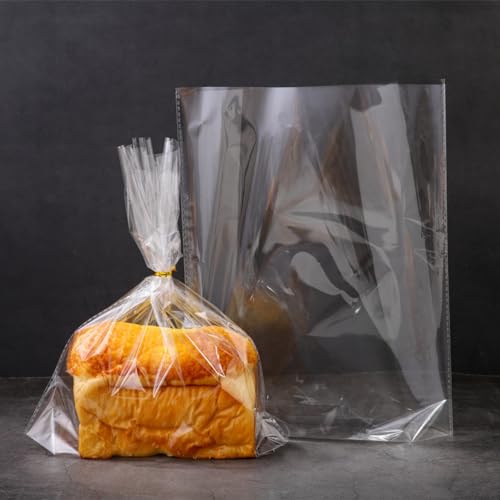
Lesibag Clear Bread Bags with Ties 11‘'x14'', 100 Reusable Plastic Bags for Homemade Bread, Cellophane Storage Wrap for Sourdough,Loaf,Cookies,Candy or Party Favors
Safe & Food Grade Material – Thanks to our bread loaf cellophane bags' being food grade plastic, they…
As an affiliate, we earn on qualifying purchases.
As an affiliate, we earn on qualifying purchases.
Why freezing bread keeps it fresh — and how to do it right
Freezing bread is one of the best tricks to stop staling in its tracks. When you freeze bread, the low temperatures slow down starch recrystallization and moisture migration. This means your loaf can stay almost as fresh as the day it was baked for up to three months.
To freeze effectively, slice your bread first. Wrap it tightly in plastic wrap or foil, then place it in a resealable bag. When ready to eat, reheat in a warm oven or toaster. That quick blast melts recrystallized starch, restoring some of the original softness.

Lesibag Plastic Bread Bags for Homemade Bread, Freezable Seal Tight Bakery Bags with Clear Window for Loaves, Sourdough,Bagels (50 Packs) White-13.8" x 11.8"
【Safe & Food Grade Material】This portable zipper toast bag is made up of BPA FREE approved raw materials….
As an affiliate, we earn on qualifying purchases.
As an affiliate, we earn on qualifying purchases.
Simple ingredients and techniques that delay staling naturally
Some ingredients and techniques help slow down starch retrogradation naturally. Adding fats like butter or oil creates a barrier around starch molecules, reducing their ability to recrystallize. Emulsifiers like lecithin also interfere with crystal formation, keeping bread softer longer.
Using whole grains or sourdough starters introduces organic acids, which can slow down staling. Plus, incorporating fibers or seeds increases moisture retention, which helps maintain a tender crumb.
For example, a homemade multigrain bread with a tablespoon of olive oil and a touch of sourdough can stay softer a day longer than a plain white loaf.

FRESHPAPER Keep Baked Goods Fresh, 8 Reusable Food Saver Sheets for Bread, Bagels, Muffins, Cookie Storage, Healthy Meal Prep, BPA Free, 1 (8 Sheet) Packs, Made in The USA
NATURALLY KEEP FOOD FRESH – FRESHPAPER Food-Saver Sheets for Bread & Baked Goods are 100% BPA-free, food-safe, chemical-free,…
As an affiliate, we earn on qualifying purchases.
As an affiliate, we earn on qualifying purchases.
How temperature affects bread’s freshness — and your storage choices
Temperature plays a big role in how quickly bread stales. Cold temperatures slow microbial spoilage but speed up starch retrogradation. That’s why bread stored in the fridge often feels dry and dense.
Keeping bread at room temperature in a breathable bag or a bread box strikes a good balance. For longer storage, freeze it. Avoid storing bread in the fridge unless you plan to eat it within a day or two, because this accelerates staling.
Think of it like this: your kitchen’s ambient temperature is often perfect for short-term freshness, while freezing is best for long-term preservation.
Taste the difference: reheating and restoring stale bread
Reheating stale bread can make it feel almost fresh again. When you warm it in an oven at about 350°F (175°C) for 5-10 minutes, the heat melts the recrystallized starch, restoring moisture and softness.
To enhance flavor, wrap the bread in foil or brush it with a little water before reheating. This step prevents it from drying out too much and helps you enjoy that warm, fresh-baked feel.
Just remember: reheating won’t fully reverse staling, but it can significantly improve texture for eating or making toast.
Quick comparison: storing bread at room temp vs. freezing
| Method | How it works | Best for | Limitations |
|---|---|---|---|
| Room temperature | Inhibits microbial growth; allows slow retrogradation | Short-term use (1-2 days) | Fast staling after 2 days |
| Freezing | Halts starch recrystallization and moisture loss | Long-term storage (up to 3 months) | Requires reheating; may affect texture if not wrapped properly |
Frequently Asked Questions
Why does bread become hard and dry over time?
Because of starch retrogradation and moisture loss, which make the bread firm, dry, and crumbly. Understanding this helps you choose better storage methods to keep it fresh longer.
Can I prevent bread from going stale?
To some extent, yes—store it in a paper bag or bread box, freeze it if you won’t eat it soon, and reheat before serving. These methods slow down the natural staling process.
Is freezing bread better than storing it at room temperature?
Yes, freezing halts starch recrystallization and moisture migration, preserving freshness for up to three months. Just remember to wrap it tightly for best results.
Does adding preservatives or fats help keep bread fresh longer?
Yes, some additives like fats and emulsifiers interfere with starch recrystallization, naturally delaying staling without artificial preservatives.
Can I revive stale bread?
Reheating in an oven or toaster can temporarily restore softness and flavor, but it won’t fully reverse the staling process. It’s a quick fix for immediate enjoyment.
Conclusion
Understanding the science behind bread staling turns an everyday annoyance into an opportunity. With simple storage tricks and ingredient choices, you can enjoy fresh-tasting bread for longer—saving money and reducing waste.
Next time you bake or buy bread, think of it as a chemistry project. A quick freeze or smart storage can transform how long your loaf stays soft and delicious. Your taste buds—and your wallet—will thank you.