
TL;DR
Choosing between greasing, flouring, or lining depends on what you’re baking. For delicate cakes, lining is foolproof; for quick breads, a light coat of grease may suffice. Proper prep saves time and prevents sticking.
Use a light, even coating of grease to prevent excess browning or greasy textures.
Flour after greasing for cakes to ensure a smooth, non-stick surface.
Lining with parchment or silicone mats offers the most reliable release, especially for sticky or fragile bakes.
Eco-friendly and reusable liners are a smart choice for reducing waste and maintaining non-stick performance.
Adjust your pan prep based on the type of baked good — delicate cakes need lining, quick breads often just need greasing.
What Does Greasing Do, and When Is It Enough?
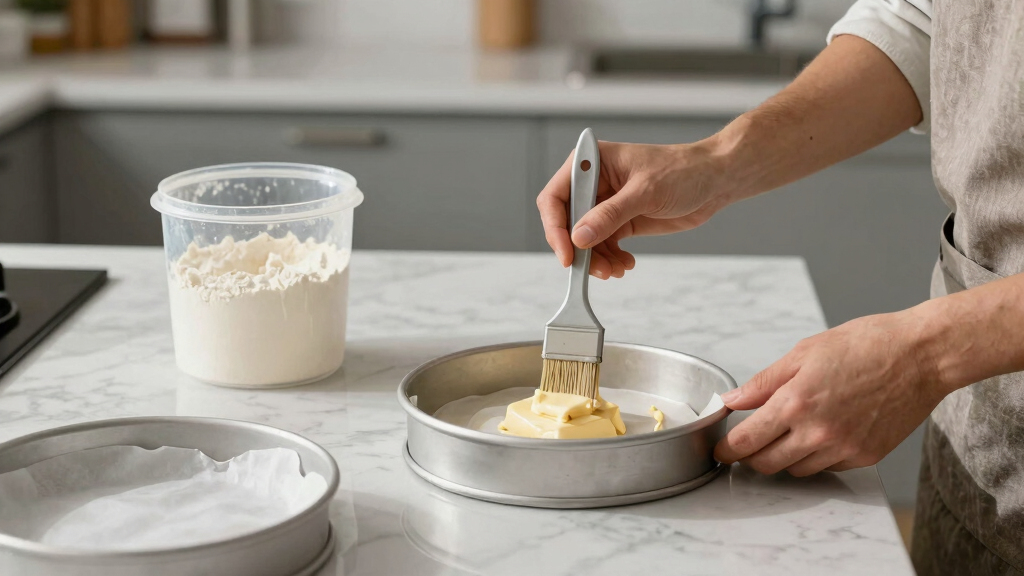
Greasing is simply coating your pan with fat — butter, oil, or shortening — to create a barrier that prevents sticking. This method is quick, especially for recipes like cookies or quick breads that don’t require delicate release.
Imagine you’re baking a loaf of banana bread. A light spread of butter or oil on the pan’s surface helps the bread slide out easily once cooled. For many quick breads, greasing alone is enough, especially if you’re not worried about a perfectly smooth top.
But beware — too much grease can make the crust greasy or cause uneven browning. Use a paper towel or brush to spread a thin, even layer for best results.
Beyond that, greasing creates a non-stick surface, but it doesn’t guarantee easy release for all baked goods. The effectiveness depends on the batter’s moisture content, the pan material, and how thoroughly you apply the fat. Over-greasing can lead to greasy textures or unwanted crusts, while under-greasing increases the risk of sticking. Therefore, understanding the balance and the type of baked good helps you decide if greasing alone suffices or if additional steps are necessary.
It’s important to recognize that greasing is most effective when the batter is relatively dry or when the pan material is prone to sticking, like uncoated metal. For delicate or sticky items, relying solely on greasing might not be enough, as the fat can sometimes be absorbed or displaced during baking, leading to sticking or uneven release. The tradeoff here involves balancing simplicity with reliability: greasing is quick but may require additional measures for certain recipes.
As an affiliate, we earn on qualifying purchases.
Why Add Flour After Greasing? The Cake Baker’s Secret
Flouring after greasing creates a second barrier — a thin layer of flour that sticks to the fat-coated surface. This combo is especially popular for cakes, where a smooth, unmangled release matters.
Picture a classic vanilla sponge. You grease the pan with butter, then dust it with flour, tapping out the excess. The flour clings to the butter, forming a non-stick coat that helps the cake slide out without tearing.
This method is reliable for delicate batters and layered cakes. It’s simple, effective, and doesn’t add extra ingredients — just a quick dusting.
However, the effectiveness of flouring depends on how evenly you apply it and the type of flour used. Too much flour can leave a white residue on the cake’s surface, which might affect the appearance and texture, especially if not brushed off properly. Conversely, insufficient flour can result in sticking or tearing during removal. The combination of greasing and flouring provides a more robust barrier—particularly important for high-rising or delicate baked goods that tend to stick or break apart during unmolding. This extra step reduces the risk of damage, preserves the cake’s appearance, and facilitates a clean, professional finish. It also affects the baking process by influencing heat transfer; too much flour can insulate the batter slightly, affecting browning, while too little may not prevent sticking effectively.
Understanding these tradeoffs helps bakers decide when the extra layer of flour is worth the effort, especially for recipes requiring perfect presentation or delicate handling. The key is applying an even, light coating to maximize the benefits while minimizing residual flour on the finished product.

GUANCI 2 Pack Silicone Baking Mats, 11.6" x 16.5" Each, 0.7mm Thick, Food Grade Non-Stick Reusable Baking Mats & Baking Sheet Liners for Cookies, Macarons, Bread, Pizza & Pastry
- Food-Grade Silicone: BPA-free, PFOA-free, non-toxic
- Thick and Durable: 0.70mm thickness for stability
- Non-Stick Surface: Easy food release and cleaning
As an affiliate, we earn on qualifying purchases.
As an affiliate, we earn on qualifying purchases.
Lining: The Foolproof Hack for Sticky or Fragile Bakes
Lining involves covering your pan with parchment paper, silicone mats, or foil before pouring in batter. It’s the most reliable way to prevent sticking, especially for sticky, delicate, or high-rising baked goods.
Think about a rich, fudgy brownie. Greasing might help, but lining with parchment ensures the entire surface is protected. When the brownies are done, you lift the parchment — no sticking, no tearing.
This method shines for fragile cakes, sticky bars, or when you want to avoid greasing your pan altogether. Plus, it makes cleanup a breeze.
Choosing to line your pan also means you can easily transfer baked goods for decorating or serving without risking damage. Additionally, lining can help maintain the shape and appearance of delicate baked items, especially when they are prone to breaking or tearing during removal. This method is especially advantageous when working with recipes that have a high sugar or fat content, which tend to adhere strongly to unlined surfaces. While it may seem like extra effort initially, the reliability of lining often outweighs the minor prep time, especially for intricate or sticky recipes, as it minimizes the risk of damaging fragile baked goods during removal.
Furthermore, lining offers consistency—regardless of pan material or recipe variations, lined pans provide a predictable release, which is essential for professional presentation and intricate decorating. It’s a small step that greatly reduces the guesswork and potential for mishaps during unmolding, especially for delicate or sticky items that are difficult to handle otherwise.
As an affiliate, we earn on qualifying purchases.
Comparison Table: Which Method Works Best for What?
| Method | Best For | Pros | Cons |
|---|---|---|---|
| Greasing | Cookies, quick breads, simple cakes | Fast, easy, minimal ingredients | Risk of sticking if not done right; can cause greasy crusts or uneven browning |
| Flouring | Layer cakes, delicate sponge cakes | Reliable release, smooth surface, reduces tearing | Can leave residual flour on the baked surface if not applied carefully; may require extra cleaning |
| Lining | Sticky or fragile baked goods, brownies, bars | Almost foolproof, easy cleanup, prevents sticking entirely | Requires extra prep time and materials; may need cutting or shaping the parchment for perfect fit |
As an affiliate, we earn on qualifying purchases.
Modern Trends: Reusable Liners and Eco-Friendly Prep
Today’s bakers are shifting towards eco-friendly options. Silicone baking mats and reusable parchment paper are gaining popularity for their sustainability and non-stick performance. They cut down on waste and are easy to clean.
Imagine replacing dozens of disposable parchment sheets with a durable silicone mat that lasts for years. Plus, many non-stick pans now come with advanced coatings that sometimes need little to no prep.
Choosing these options helps reduce waste without sacrificing the ease of release. It’s a win for your kitchen and the planet.
Additionally, the use of eco-friendly liners encourages more mindful baking practices. They often require less oil or butter, which can contribute to healthier baked goods and reduce calorie content. As environmental concerns grow, integrating these sustainable options can make your baking routine more responsible without compromising quality.
Practical Tips for Perfect Pan Prep Every Time
- Use a light, even coat of fat — too much can cause greasiness and uneven baking.
- For cakes, dust with flour after greasing for a smooth release and to prevent sticking.
- Lining with parchment is best for sticky or fragile baked goods, providing a reliable non-stick surface.
- Revisit your method based on the recipe’s needs — a quick bread might just need greasing, while a delicate layer cake benefits from lining and flouring.
- Clean your pans thoroughly to remove residual grease or flour buildup, which can interfere with future releases and affect baking quality.
Imagine baking a batch of muffins. A quick spray with cooking spray, no flour needed, is perfect. For a delicate chiffon cake, lining with parchment guarantees a perfect release every time. Adjusting your prep based on the specific recipe ensures consistent, professional results.
When Your Method Might Need a Switch-Up
Sometimes, what works for one recipe doesn’t suit another. For example, a dense pound cake may release easily with just greasing, but a sponge cake benefits from lining or flouring. Adjust your approach based on the texture and delicacy of your baked good.
Consider the pan material—metal, glass, silicone—as each reacts differently with fats and flour. Metal pans often require more thorough greasing and flouring, while silicone molds might need minimal prep. Also, think about the batter’s moisture and stickiness; highly sticky batters benefit from lining to prevent tearing or breaking during removal.
Being flexible and adjusting your method based on these factors can save you from common mishaps and improve your baking outcomes. Experimenting and noting what works best for each recipe can help you develop a personalized, foolproof approach.
Remember, even seasoned bakers switch methods depending on the specific baked good and pan type. The key is understanding the tradeoffs — like extra prep time versus easier release — and choosing the best approach for each situation.