TL;DR

Get baking supplies delivered free with Prime
- Fast, free delivery on millions of items
- Prime Video, Amazon Music and more included
- Member-only deals all year
Browning makes food taste so good because it creates a complex array of flavor compounds through Maillard reaction and caramelization. Proper control of temperature and pH allows you to maximize flavor without burning or producing harmful substances.
Master the Maillard reaction by controlling temperature above 140°C (284°F) for rich, savory flavors.
Caramelization happens around 160°C (320°F) and creates complex sweet and toasted notes.
Adjust pH levels—baking soda speeds browning, while acids slow it—to fine-tune flavor and color.
Modern techniques like sous-vide plus quick searing help achieve perfect browning safely.
Keep a close eye during cooking; once burnt or over-browned, flavors turn bitter and health risks increase.
What Is the Maillard Reaction and Why Is It the Heart of Browning?
The Maillard reaction is a chemical dance between amino acids (from proteins) and reducing sugars. It kicks in around 140°C (284°F), transforming simple ingredients into a complex flavor explosion. Think of it as a flavor symphony—each new compound adds a layer of richness, from toasted nuts to savory umami notes.
Imagine searing a steak. The sizzling sound and rich aroma come from Maillard reaction products forming on the surface. These compounds not only color the meat but also deepen the flavor, making it irresistibly savory. According to food science, over 1,000 different flavor compounds can emerge during this process, creating that ‘browned’ taste we crave.
Understanding why this matters is key: the Maillard reaction doesn’t just change color; it fundamentally alters the molecular makeup of your food to produce complex flavors and aromas that raw ingredients simply can’t match. However, this process also involves tradeoffs—if pushed too far, it can produce undesirable compounds or burn, leading to bitterness and potential health concerns. Mastering this reaction means balancing heat to maximize flavor without crossing into harmful territory.
Products Worth Considering

Cuisinart ICE-70P1 2-Quart Ice Cream Maker with Countdown Timer

Ninja PossibleCooker PRO Plus 11-in-1 8.5 qt Trace Blue (MC2002BL)

Cuisinart PerfecTemp Electric Kettle, 1.7 L, 1500 W, 6 Temperature Settings
As an affiliate, we earn on qualifying purchases.
How Caramelization Adds Sweetness and Depth to Your Food
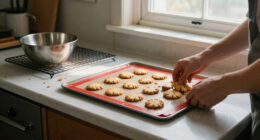
Caramelization is the heat-driven breakdown of sugars, kicking in around 160°C (320°F). It’s the process that turns sugar into a rich, amber syrup, full of complex, toasted flavors. When roasting vegetables or baking cookies, caramelization adds that irresistible sweet aroma and a hint of bitterness that balances the dish.
Picture a caramel sauce bubbling as it turns from clear to golden, releasing a warm, sugary scent. This process isn’t just about sweetness—it adds a smoky, nutty undertone that makes desserts and roasted veggies taste layered and satisfying.
Why it matters: caramelization not only enhances sweetness but also creates a depth of flavor that can transform a simple ingredient into a gourmet experience. The tradeoff is that excessive heating can lead to burnt flavors and the formation of potentially harmful compounds like acrylamide, especially in starchy foods. Understanding the nuances of caramelization allows cooks to develop rich, complex flavors while avoiding overdoing it and risking health concerns.
Temperature and Time: The Dynamic Duo for Perfect Browning
Getting that perfect golden crust without burning requires finesse. Higher temperatures speed up browning, but too high and you risk charring. Think of it like a dance—too fast, and you stumble; too slow, and you miss the moment.
For example, roasting vegetables at 200°C (392°F) gives quick, even browning. Searing a steak at 250°C (482°F) creates a flavorful crust in just a few minutes. Adjusting cooking time and temperature turns raw ingredients into flavorful masterpieces—just keep a close eye to prevent overdoing it.
Understanding the importance of temperature and time is crucial because it directly influences flavor development and texture. Too little heat results in bland, underdeveloped flavors; too much can produce bitter, burnt notes and even harmful compounds. The key is to find the optimal balance—using precise temperature control and timing to create complex flavors while minimizing risks. This requires experience and attention, but mastering it allows you to elevate your cooking to professional levels.
The Role of pH and How You Can Use It to Boost Browning
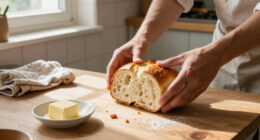
pH levels influence browning—alkaline conditions speed it up, while acidic environments slow it down. A simple kitchen trick: adding a pinch of baking soda (alkaline) to bread dough encourages browning and creates a tender crumb.
For instance, marinating vegetables in a baking soda solution can deepen their color and flavor. On the flip side, acidic marinades like vinegar or lemon juice can prevent excessive browning if you’re worried about burning or charring.
Why this matters: adjusting pH levels isn’t just about controlling color; it impacts the chemical pathways of browning and flavor development. Alkaline conditions favor Maillard reactions, producing more complex flavors, but too much alkalinity can cause off-flavors or uneven browning. Acidic environments slow these reactions, helping to prevent over-browning or charring. Understanding and manipulating pH allows cooks to fine-tune flavor intensity, color, and safety—crucial for achieving optimal results and avoiding undesirable flavors or health risks.
New Science and Tech Help Us Brown Food Better and Safer
Modern food science is finding ways to maximize flavor from browning while reducing health risks. Researchers explore how to control temperature and pH precisely, using new appliances like sous-vide followed by a quick sear for perfect browning without overcooking.
Recent studies focus on minimizing acrylamide, a potential carcinogen formed during high-temperature cooking of starchy foods. Innovations in processing and cooking methods help us enjoy the flavor benefits without the health concerns.
This scientific progress is important because it allows us to enjoy the rich flavors of browning while minimizing the formation of harmful compounds. Techniques like controlled searing, low-temperature cooking, and precise pH adjustments help strike a balance—delivering both flavor and safety. As technology advances, home cooks and professionals alike can achieve superior results, making browning an even more powerful and safer tool in the culinary arsenal.
Why Browning Tastes So Good: The Secret Behind Its Irresistible Flavor
It’s all about flavor complexity. The Maillard reaction creates hundreds of new compounds—think of it as a flavor collage that’s both savory and aromatic. These compounds stimulate your senses, making food taste richer, deeper, and more satisfying.
Aromas of toasted bread, roasted coffee, or grilled meat are all products of browning. Plus, the visual cue of a golden crust triggers your brain’s appetite response—’This looks delicious!’
Understanding why browning is so appealing goes beyond taste—it’s about the sensory experience as a whole. The complex molecules formed not only add flavor but also aroma and visual appeal, which all contribute to the overall perception of deliciousness. This is why mastering browning is so important in cooking: it transforms ordinary ingredients into extraordinary dishes, appealing to multiple senses and elevating the eating experience.
Quick Tips to Master Browning Without Burning or Underdoing It
- Use moderate heat, especially when browning delicate foods.
- Keep an eye on your food—browning can go from perfect to burnt fast.
- Pat foods dry before cooking to promote even browning.
- Adjust pH with baking soda or vinegar to speed or slow browning.
- Finish with a quick sear or broil for that perfect crust.
Can You Reverse Over-Browning? Or Prevent It Next Time?
Once food is over-browned or burnt, it’s tough to fix. The best plan? Prevent it by controlling heat and timing. Use a thermometer or timer, and keep a close eye as it approaches your ideal color.
If it’s only slightly overdone, scraping off burnt bits or slicing away charred edges can help, but it’s better to prevent instead of fix.
Understanding the implications of over-browning is crucial: burnt flavors can overpower the dish, render some nutrients less available, and produce harmful compounds. Prevention through attentive cooking is the most reliable strategy, ensuring your food remains flavorful and safe. Recognizing signs of over-browning early and adjusting your technique accordingly helps maintain the perfect balance between flavor and safety.
Frequently Asked Questions
What’s the main difference between Maillard reaction and caramelization?
The Maillard reaction involves amino acids and sugars, producing savory and roasted flavors, while caramelization is the sugar-only process, creating sweet, toasty notes. Both occur at different temperatures and contribute unique flavors.
How can I get that perfect golden crust on bread or meat?
Use moderate to high heat, pat ingredients dry, and watch closely. Finishing with a quick broil or sear can boost browning without overcooking. Adjust pH when needed for better results.
Is it safe to eat food with lots of browning or charring?
While browning enhances flavor, excessive charring can produce harmful compounds like acrylamide. Keep browning within a golden range, and avoid blackened, burnt spots for both flavor and safety.
Can I reverse over-browning or burnt food?
Once burnt or over-browned, it’s tough to fix. Prevention is best—monitor heat, use timers, and remove food promptly once it reaches the desired color.