
TL;DR
Listen free for 30 days with Audible
Thousands of audiobooks and originals — cancel anytime.
Start your free trialAs an affiliate, we earn on qualifying purchases.
Baking powder can lose its leavening power with time or moisture. You can test it at home with vinegar or hot water—if it bubbles vigorously, it’s still good. Proper storage extends its shelf life.
Ever opened your baking powder, only to wonder if it still works? That little jar might be the secret to fluffy muffins or flat pancakes. A simple test can save you from dense, disappointing baked goods and ensure your recipes rise perfectly every time.
Knowing how to tell if your baking powder is still alive isn’t just about avoiding waste. It’s about baking with confidence, whether you’re making a quick loaf or a batch of healthy muffins. Let’s explore easy ways to test your baking powder and keep your baking game strong.
Test baking powder every 6 months using vinegar or hot water to ensure it still bubbles vigorously.
Proper storage in an airtight, moisture-proof container extends shelf life and maintains potency.
Clumping, off smell, and lack of fizz are signs your baking powder may be dead.
Using stale baking powder results in flat, dense baked goods—testing saves wasted ingredients.
Replacing old baking powder with a simple baking soda and acid mix keeps your baking reliable.
What Is Baking Powder, and Why Does It Go Bad?
Baking powder is a blend of baking soda (sodium bicarbonate), an acid (like cream of tartar), and a moisture absorber. It’s a *double-acting* leavening agent, which means it reacts twice—once when mixed with wet ingredients, and again when heated.
Over time, exposure to moisture, humidity, and air can cause baking powder to lose its ability to create those bubbly, carbon dioxide pockets that help baked goods rise. A stale box might sit in your pantry for months, but it can quietly become ineffective—leading to dense muffins or flat pancakes.
To avoid this, always store baking powder in a sealed container in a cool, dry place, and pay attention to the expiration date. But even unopened, it can weaken if kept too long or in humid conditions.
As an affiliate, we earn on qualifying purchases.
How to Recognize Old Baking Powder – Signs It’s Dead
Clumping or hardening in the container indicates moisture exposure, a common sign that baking powder has gone stale. These clumps form because moisture causes the baking powder to cake together, which diminishes its ability to react properly during baking. A musty or off smell is another warning sign that the chemical balance has degraded, potentially leading to less effective leavening.
But the most reliable indicator? When you perform a fizz test, a lack of bubbles or fizz suggests the chemical reaction that produces carbon dioxide has diminished or ceased altogether. This means your baking powder no longer has the leavening power needed to make your baked goods rise.
If your baking powder looks fine but you’re unsure, it’s best to test it. A box might be past its prime but still appear normal. Better safe than sorry—dull, dense baked goods aren’t worth it.
As an affiliate, we earn on qualifying purchases.
Easy Ways to Test if Baking Powder Still Works
The most reliable method? A quick fizz test with vinegar or hot water. This test simulates the chemical reaction in your batter, providing a direct indication of its leavening ability. If the baking powder bubbles vigorously upon contact, it indicates that the active ingredients are still potent enough to produce the necessary carbon dioxide for rising.
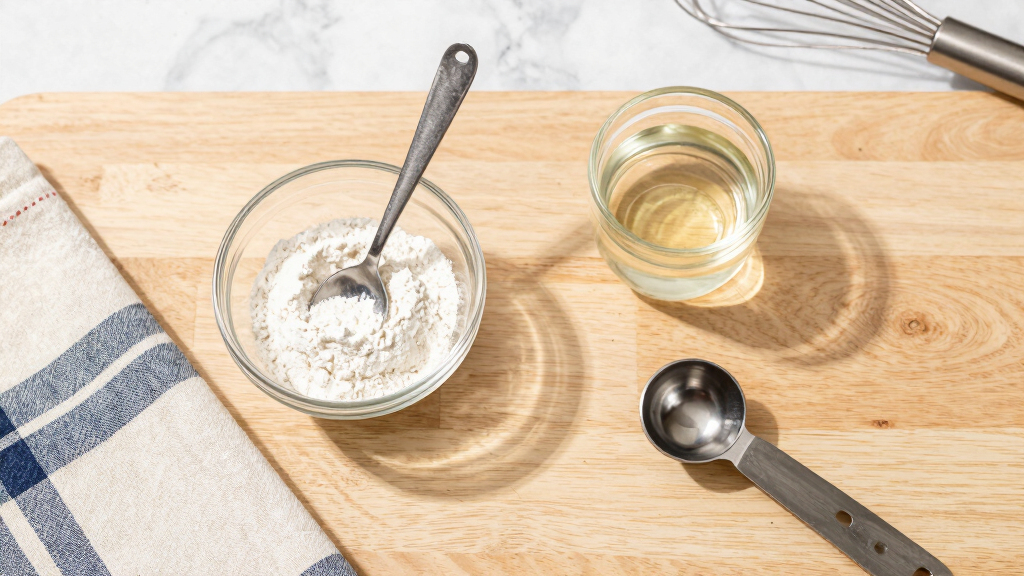
- Place 1 teaspoon of baking powder in a small, dry bowl or cup.
- Add 2-3 tablespoons of hot water or vinegar — hot water tends to produce a more immediate reaction, while vinegar adds an extra acidic element that can help reveal activity.
- Observe the reaction: vigorous bubbling or fizzing means it’s still active; little to no bubbles suggest it’s time to replace.
- If the reaction is weak or nonexistent, your baking powder has likely lost most of its leavening power and should be replaced to ensure your baked goods rise properly.
This test is essential because it directly measures the chemical activity that baking powder needs to do its job, giving you peace of mind before you start mixing your batter.
baking soda and cream of tartar set
As an affiliate, we earn on qualifying purchases.
As an affiliate, we earn on qualifying purchases.
Comparison Table: Fresh vs. Stale Baking Powder
| Feature | Fresh Baking Powder | Stale Baking Powder |
|---|---|---|
| Bubbles in test | Vigorous, lively fizz | Weak or no fizz |
| Clumping | Loose, free-flowing | Clumpy or hardened |
| Smell | Neutral or slightly tangy | Musty or off odor |
| Effect in baking | Creates fluffy, airy baked goods | Leavening fails, baked goods are dense |
This quick comparison shows how freshness impacts baking results. Regular testing prevents surprises in the oven.
As an affiliate, we earn on qualifying purchases.
How to Store Baking Powder for Maximum Shelf Life
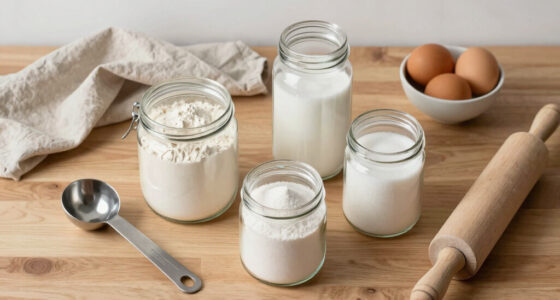
Proper storage is key. Keep baking powder in an airtight container, away from moisture, heat, and light. A small, sealed jar in your pantry works perfectly. Avoid the fridge or damp places that can introduce humidity.
Label the container with the date you opened it, and plan to test it every 6 months. If you bake often, replace it annually for the best results. Remember, a dry, cool environment keeps the fizz alive longer.
What Happens When You Use Old Baking Powder?
Using stale baking powder can leave your batter flat and dense. Imagine trying to make fluffy pancakes, but they turn out heavy and gooey instead. That’s the result of insufficient carbon dioxide release during baking.
It’s frustrating, but easy to fix—just test first. If it’s dead, replace it. Your baked goods will thank you with light, airy texture and perfect rise.
Beyond affecting texture, using old baking powder can also alter the flavor of your baked goods, often imparting a metallic or bitter taste if it’s significantly degraded. This not only impacts appearance but can compromise the overall taste experience. Therefore, regular testing and replacement are crucial for maintaining both the quality and safety of your baked treats.
Quick Fixes When Baking Powder Fails the Test
If your baking powder is no longer active, don’t despair. You can substitute it with baking soda and an acid. For every teaspoon of baking powder, use 1/4 teaspoon baking soda plus 1/2 teaspoon lemon juice or vinegar.
Adjust your recipe accordingly. This combo creates the same rise, but remember—baking soda reacts immediately, so mix and bake quickly. Using this homemade alternative can be just as effective, but it requires careful measurement and timing to ensure your baked goods rise properly without an off-flavor or overly tangy taste.
Frequently Asked Questions
How often should I test my baking powder?
Every 6 months is a good rule of thumb. If you bake frequently, consider testing it quarterly to keep your baked goods light and fluffy.Can I revive old baking powder?
No, once it’s lost its fizz, it can’t be reactivated. It’s best to replace stale baking powder with fresh for reliable results.What’s the difference between baking soda and baking powder?
Baking soda is pure sodium bicarbonate, while baking powder includes baking soda plus acids and stabilizers. Baking soda needs an acid to activate, whereas baking powder is self-contained.What’s a quick homemade substitute for baking powder?
Mix 1/4 teaspoon baking soda with 1/2 teaspoon cream of tartar for each teaspoon of baking powder needed. Adjust quantities based on your recipe.How can I tell if my baking powder is still good without testing?
Check the expiration date, look for clumping or discoloration, and smell it. However, the fizz test is the most reliable method to confirm activity.Conclusion
Checking your baking powder isn’t just a good habit—it’s the secret to perfect rise every time. A quick fizz test can save you from dense, disappointing baked goods.
Keep it dry, store it properly, and test regularly. Baking with confidence starts with knowing your leavening agent is still alive.
Evergreen bestsellers Picks
bestsellers
As an affiliate, we earn on qualifying purchases.